
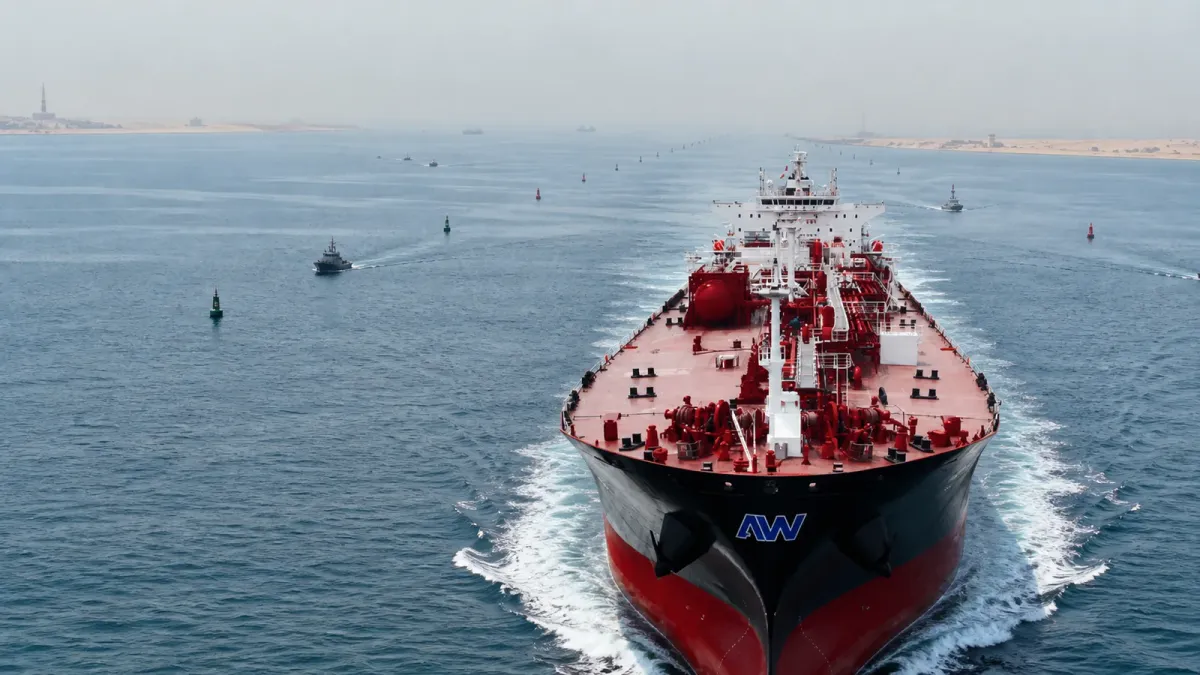
A vessel linked to Abu Dhabi National Oil Company was targeted by a missile while transiting the Strait of Hormuz on Saturday, August 8, according to regional officials and multiple news reports, adding a new test to talks that Iranian officials have described as nearing a final stage.
ADNOC said no injuries were reported and that the situation was under control, while the United Arab Emirates condemned the attack and called for the waterway to be reopened fully and unconditionally. The company did not immediately disclose the vessel's name, cargo or damage details.
What changed
The attack matters because it came as Iran and Oman were discussing rules for movement through one of the world's most important energy routes. CBS News reported Saturday that Iranian Foreign Minister Abbas Araghchi said the talks were approaching the final stages, while also warning that this did not mean the Strait of Hormuz had reopened.
The Associated Press separately reported that the UAE said an ADNOC-owned vessel had been targeted and that a British maritime monitoring report described a vessel near Khasab, Oman, as struck, though it was not immediately clear whether the reports referred to the same incident.
Regional outlets including The National and Gulf News reported that UAE officials blamed Iran and framed the strike as a violation of freedom of navigation. The National reported that Qatar also condemned the attack and expressed solidarity with the UAE.
Why markets care
The Strait of Hormuz connects the Persian Gulf with the Gulf of Oman and the Arabian Sea. The U.S. Energy Information Administration has described it as the world's most important oil transit chokepoint, with 2024 flows averaging about 20 million barrels per day, equal to roughly 20% of global petroleum liquids consumption.
That is why a single incident can matter beyond the ship involved. A reopening framework would need to convince shipowners, insurers, energy buyers and governments that vessels can move without repeated missile, drone or seizure risks. A strike during talks makes that confidence harder to build.
What we do not know yet
Officials had not publicly identified the vessel, its cargo, the precise damage assessment or the full chain of responsibility by late Saturday morning in the United States. The overlap between the ADNOC statement and the British maritime report also remained unclear in public reporting.
There was no confirmed casualty count beyond ADNOC's statement that no injuries were reported. There was also no final public text of an Iran-Oman reopening arrangement, and U.S. officials have previously objected to any arrangement that would let Iran restrict navigation or collect disputed fees.
What happens next
The immediate test is whether Iran, Oman and Gulf governments can separate a diplomatic route proposal from continued attacks on commercial shipping. If strikes continue, the practical result may be a waterway that is technically under negotiation but still too risky for normal traffic.
For readers, the useful signal is not just whether officials announce a deal. Watch whether insurers reduce war-risk costs, major tanker operators resume regular passages, and regional governments confirm that ships can transit without case-by-case military or political permission.


