
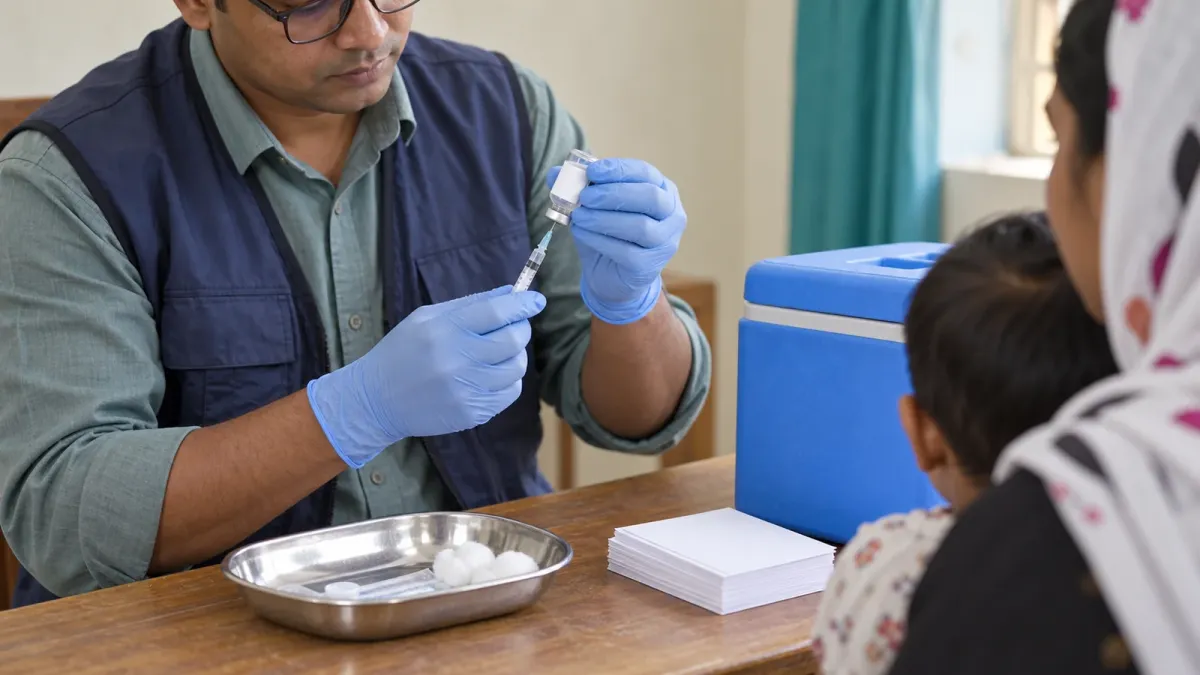
Bangladesh had counted 999 deaths linked to confirmed or suspected measles cases by Tuesday, September 8, government data cited by The Associated Press showed. More than 166,000 suspected cases have been recorded since the outbreak accelerated in March, including 19,835 laboratory-confirmed infections.
The short answer to why the outbreak is still spreading is an immunity gap. Measles is so contagious that even a strong vaccination program can lose control when enough children miss routine doses, and the backlog can take months to close once transmission is nationwide.
The latest threshold is not simply a larger number in a long-running outbreak. It shows that Bangladesh's emergency campaign has not yet reached enough susceptible children to interrupt transmission, while hospitals continue to treat severe complications including pneumonia, diarrhea and encephalitis.
Why 95% coverage matters
The World Health Organization says communities generally need about 95% coverage with two measles-vaccine doses to stop sustained spread. That high threshold reflects how easily the virus moves through the air. When coverage falls below it, one infected person can find many unprotected children, including infants who are too young for routine vaccination and people whose immune systems do not respond fully.
Bangladesh's problem developed over several years. Routine services were interrupted during the COVID-19 pandemic, and a nationwide campaign normally held every four years was largely missed during the political upheaval of 2024. Children who missed doses in 2021 or 2022 are now four or five years old, creating a large pool of susceptible people at the same time.
The campaign has expanded, but the target keeps moving
Bangladesh launched an emergency measles-rubella campaign in early April with support from WHO, UNICEF and Gavi. It initially focused on children from 6 months to 5 years old in high-risk districts and then expanded nationwide in phases. The response also included surveillance, case finding and treatment support.
WHO's April assessment already described national risk as high. At that point, cases had been reported in 58 of the country's 64 districts and in all eight divisions. Nearly four in five reported cases were among children younger than five. The geographic spread meant health teams were not containing a cluster; they were trying to reach families across most of the country while active infections continued to seed new chains of transmission.
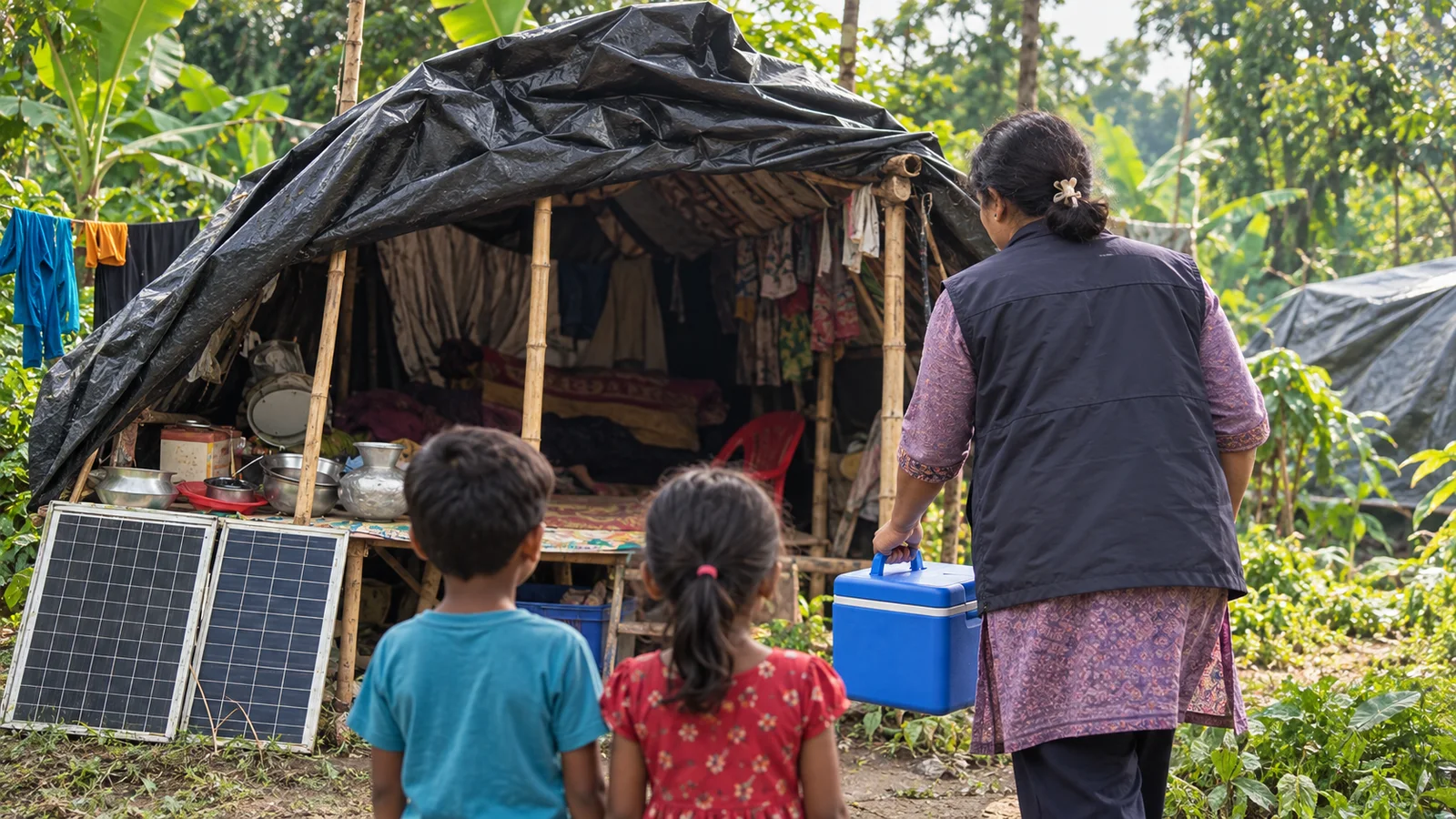
Coverage statistics also need careful reading. A large number of doses administered does not necessarily mean the highest-risk children have received both doses. Families can miss the campaign because of travel distance, vaccine availability, misinformation, disrupted records or uncertainty about whether a child who received one dose needs another. The relevant question is not how many injections were given in total, but whether two-dose protection is reaching almost every community.
Why the death count carries uncertainty
The 999 figure combines confirmed and suspected measles-related deaths. That distinction matters because laboratory confirmation can lag or be unavailable, especially when hospitals are overwhelmed. It does not make the crisis less serious, but it means the number should be described as a surveillance count rather than a final audited total.
The same caution applies to case counts. Many families may never reach a reporting facility, while some suspected cases can later prove to have another cause. Public-health officials use those imperfect numbers to follow the direction of the outbreak and decide where vaccines, oxygen, hospital beds and trained staff are most urgently needed.
What happens next
The clearest signal of progress will be sustained declines in new suspected cases, hospital admissions and deaths, paired with verified two-dose coverage near the 95% threshold. Short bursts of improvement are not enough; measles can rebound quickly wherever unvaccinated groups remain.
Families in Bangladesh should follow current instructions from the Directorate General of Health Services and local clinics about eligibility, catch-up doses and where vaccines are available. Anyone with symptoms or concerns should use local medical guidance rather than relying on general information online.
For the wider world, Bangladesh is a warning about how fast measles can exploit routine-immunization gaps. The disease was largely controlled in the country only a few years ago. Rebuilding that protection now requires not just emergency doses, but reliable access, accurate records and follow-through long after the immediate crisis leaves the headlines.


