
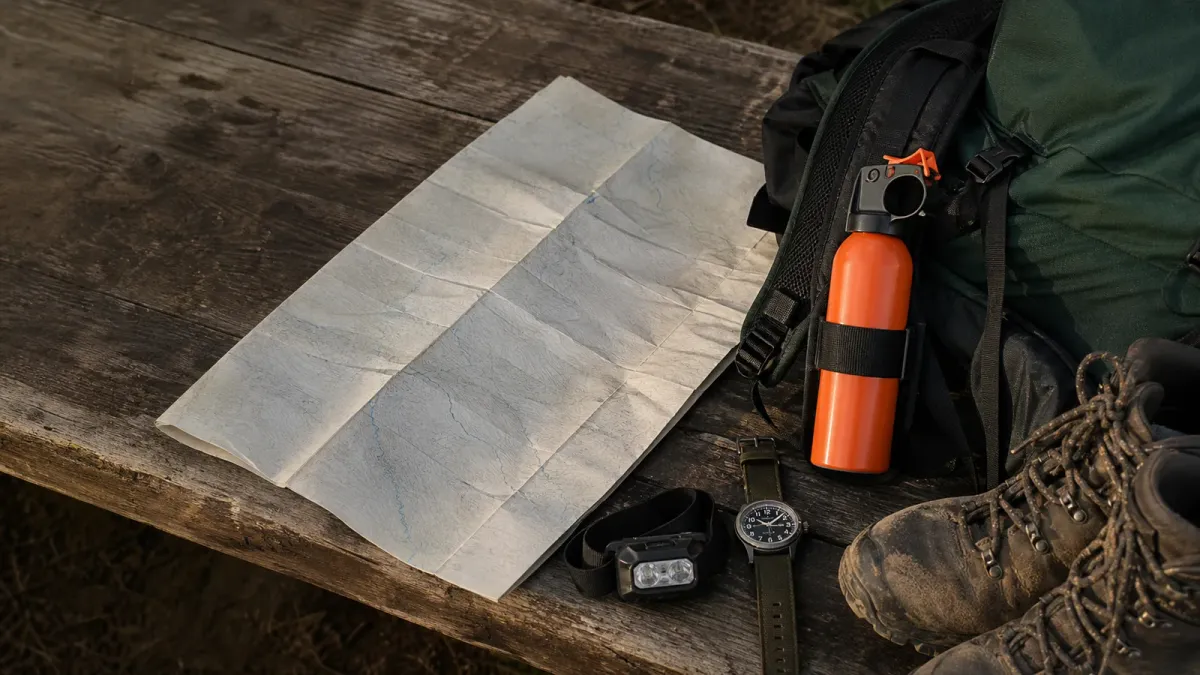
Grizzly bear searches were active on Google Trends in the United States on Wednesday, July 22, 2026, but the useful question for summer travelers is simpler than the search spike: what should you check before hiking in bear country?
The short answer is to plan for a surprise encounter before you reach the trailhead. Federal agencies give the same basic advice in different ways: stay alert, keep distance, hike with other people when possible, make noise in low-visibility areas, store food and scented items properly, and carry bear spray where it is recommended and allowed.
The timing matters. The National Park Service said in a May 15, 2026, bear-safety reminder that spring and early summer bring increased bear activity in many parks as bears move through habitat, search for food or protect cubs. The U.S. Fish and Wildlife Service also tells visitors in grizzly country to avoid hiking at dusk, dawn or at night.
Do this first
Before you choose the scenic route, make the boring checks. They are the ones that change the odds fastest.
- Check the park or forest alert page. Trail closures, food-storage orders, bear activity notices and local rules change by destination. Glacier National Park, for example, told visitors to stay off closed trails after a May 2026 fatal encounter on the Mt. Brown Trail while park staff assessed the area.
- Set a turnaround time. A sunset plan can become a dark descent. If a hike requires a headlamp on the return, decide whether the view is worth the lower visibility.
- Move bear spray from your pack to your hand, belt or chest strap. The point is not simply owning it. The point is being able to reach it quickly and knowing how it works before stress arrives.
- Decide who is making noise. Streams, wind, dense brush and blind corners can mask sound. Talking, clapping or calling out in those spots gives wildlife more warning that people are coming.
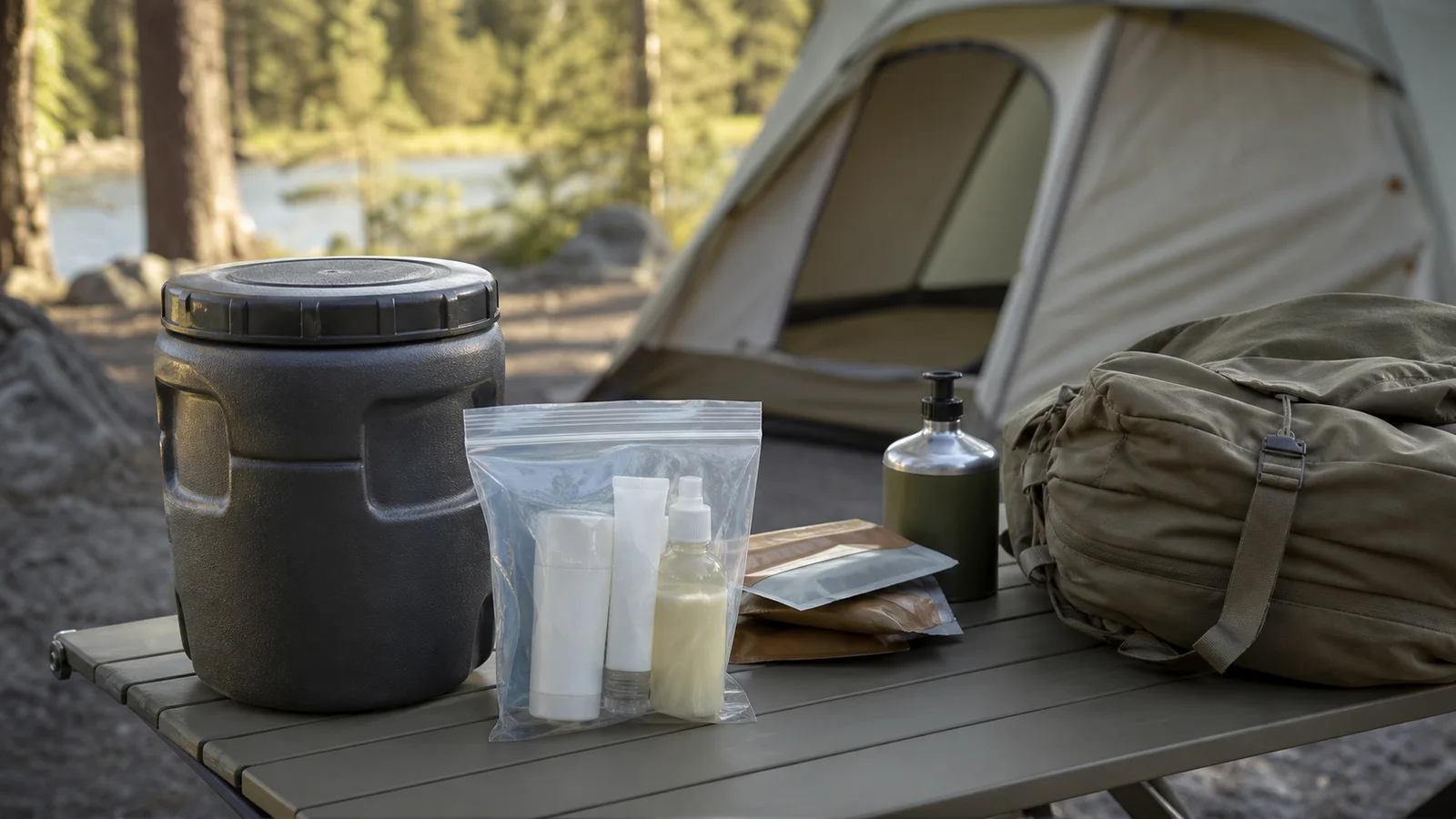
- Secure food before you leave the car or tent. Food is not the only attractant. The Forest Service lists toothpaste, shampoo, lotion, soap, wrappers, coolers, pet food, bird seed and fuel among items that can create problems if they are left accessible.
Check these details
Bear-country rules are local. A national checklist is useful, but it cannot replace the current page for the park, forest, refuge or trail system you are visiting. Some areas require bear-resistant canisters. Others provide food lockers. Some places recommend or restrict bear spray. Some trails close temporarily after an encounter, active feeding area or wildlife-management operation.
Start with the official site for the destination, then look for the specific trail status page, campground food-storage page and current alerts. If the destination is on federal land, National Park Service, U.S. Fish and Wildlife Service, Bureau of Land Management and Forest Service pages are better than a two-year-old travel blog or a viral clip.
Distance rules should be treated as minimums, not a photography target. The Fish and Wildlife Service says visitors should remain at least 100 yards, or about 300 feet, away from grizzly bears. Yellowstone National Park uses the same 100-yard distance for bears, wolves and cougars. If an animal moves closer, your job is to create more space, not to hold your spot for a better picture.
Common mistakes
The first mistake is treating bear safety as a gear purchase. Bear spray can help, but it is not a substitute for route choice, group travel, alert walking and food storage. The Forest Service says hikers should stay alert, avoid headphones, approach blind corners cautiously, keep dogs leashed and make plenty of noise.
The second mistake is assuming daylight at the summit means daylight on the way down. The risk profile changes when a narrow trail, deadfall, stream noise or dense vegetation limits sight and hearing. If you are hiking alone, the margin is thinner because one person is usually quieter than a group and has fewer options if something goes wrong.
The third mistake is separating the campsite from the trail. A careless cooler, scented toiletry bag or snack wrapper can draw wildlife toward people long after the hike ends. The Forest Service says campers should keep a clean campsite, avoid storing food or scented items in a tent, use bear-resistant lockers or containers where provided, and dispose of trash in bear-resistant dumpsters.
If you see a bear
Federal guidance is consistent on the first seconds: do not run. Stay calm, face the bear, speak in a steady voice and back away slowly. The National Park Service says visitors should report bear encounters to park staff as soon as it is safe to do so.
If a bear keeps approaching, the Forest Service says to try to make yourself large and imposing by stretching your arms overhead and making loud noises. If children are with you, group together and pick them up. If dogs are allowed, keep them leashed; a loose dog can turn a distant wildlife sighting into a close encounter.
The hardest part is resisting the urge to turn a sighting into content. A bear that looks calm can still need space. A cub can mean an adult is nearby. A blocked travel route can make an animal feel cornered. The safer decision is usually less dramatic: back up, alter your route and let the animal leave.
Bottom line
The practical checklist is short: check official alerts, avoid low-visibility timing when you can, hike with others, make noise where a surprise is more likely, keep food and scented items secured, carry accessible bear spray where appropriate, and give wildlife far more room than your camera wants.
That does not make every hike risk-free. It does make the decision less reactive. The point of bear-country preparation is to settle the important choices before the trail narrows, the light drops or an animal appears closer than expected.


