
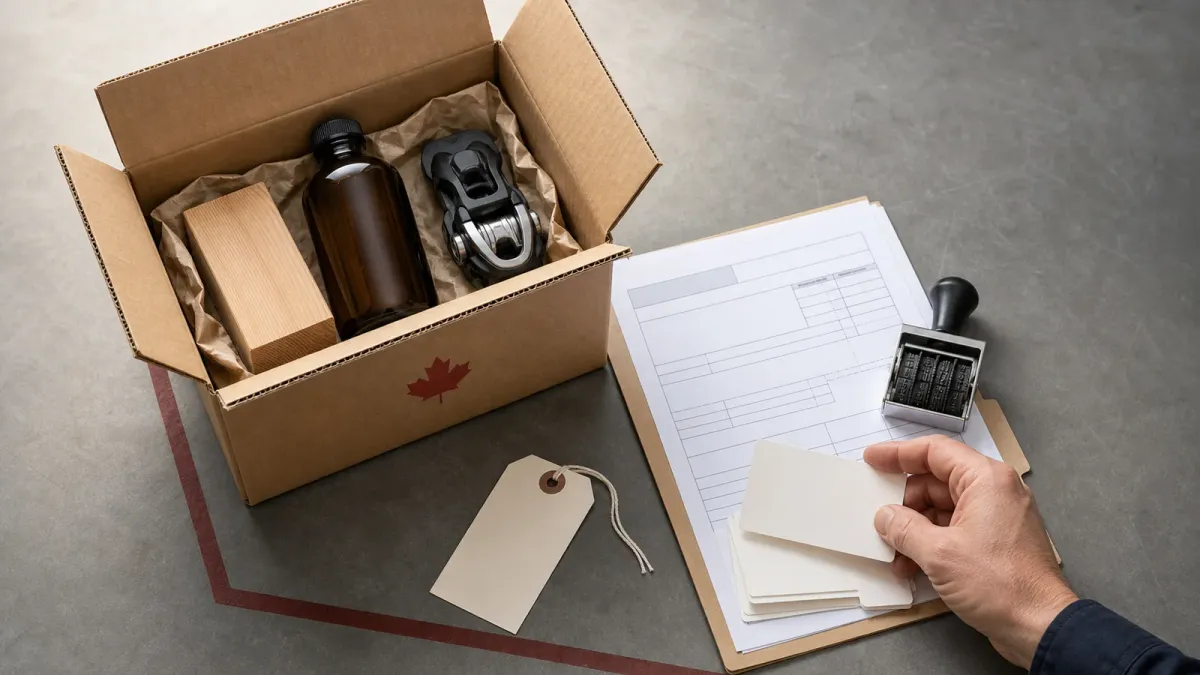
U.S. businesses that import goods from Canada should not assume the new 50% tariff is limited to cars, alcohol, or dairy. The controlling documents are the tariff-code lists attached to three presidential proclamations, and the additional duty is scheduled to apply to covered goods entered for consumption beginning at 12:01 a.m. Eastern on August 19, 2026.
The short answer is simple: identify the Harmonized Tariff Schedule code used for each Canadian-origin product, compare it with the official annexes, confirm exclusions, and recalculate the shipment's landed cost before it enters the United States. A product's everyday name or USMCA status is not enough to settle the question.
The White House says the three actions cover nearly $20 billion in Canadian imports. The official fact sheet says covered goods can include products ranging from wine and hockey sticks to cement, while the annexes also list many narrowly defined agricultural, chemical, wood, paper, textile, electronics, furniture, and recreation classifications.
Do this first
- Pull your import data. Start with recent customs entries, purchase orders, bills of materials, supplier origin statements, and the HTSUS codes used by your customs broker. Filter for products of Canada rather than relying only on the seller's address or the shipment's departure point.
- Match the exact tariff code. Search the Annex II lists attached to the proclamations, not just news summaries. Tariff treatment follows the legal classification, and neighboring codes can produce different results.
- Confirm the exclusion analysis. The motor-vehicle proclamation says its new duty does not apply to articles already subject to Section 232 duties or qualifying civil-aircraft articles. Other products may have different treatment under the relevant proclamation and annex. Ask a customs professional when the classification or overlap is uncertain.
- Reprice the full landed cost. Model the additional duty alongside existing duties, fees, freight, brokerage, and financing costs. The proclamation says the Section 338 duty is additional to other applicable charges unless an exception applies.
- Review entry timing. The rule is tied to when goods are entered for consumption or withdrawn from warehouse for consumption, not simply when an order was placed or a truck left Canada.
Why the headline categories can mislead
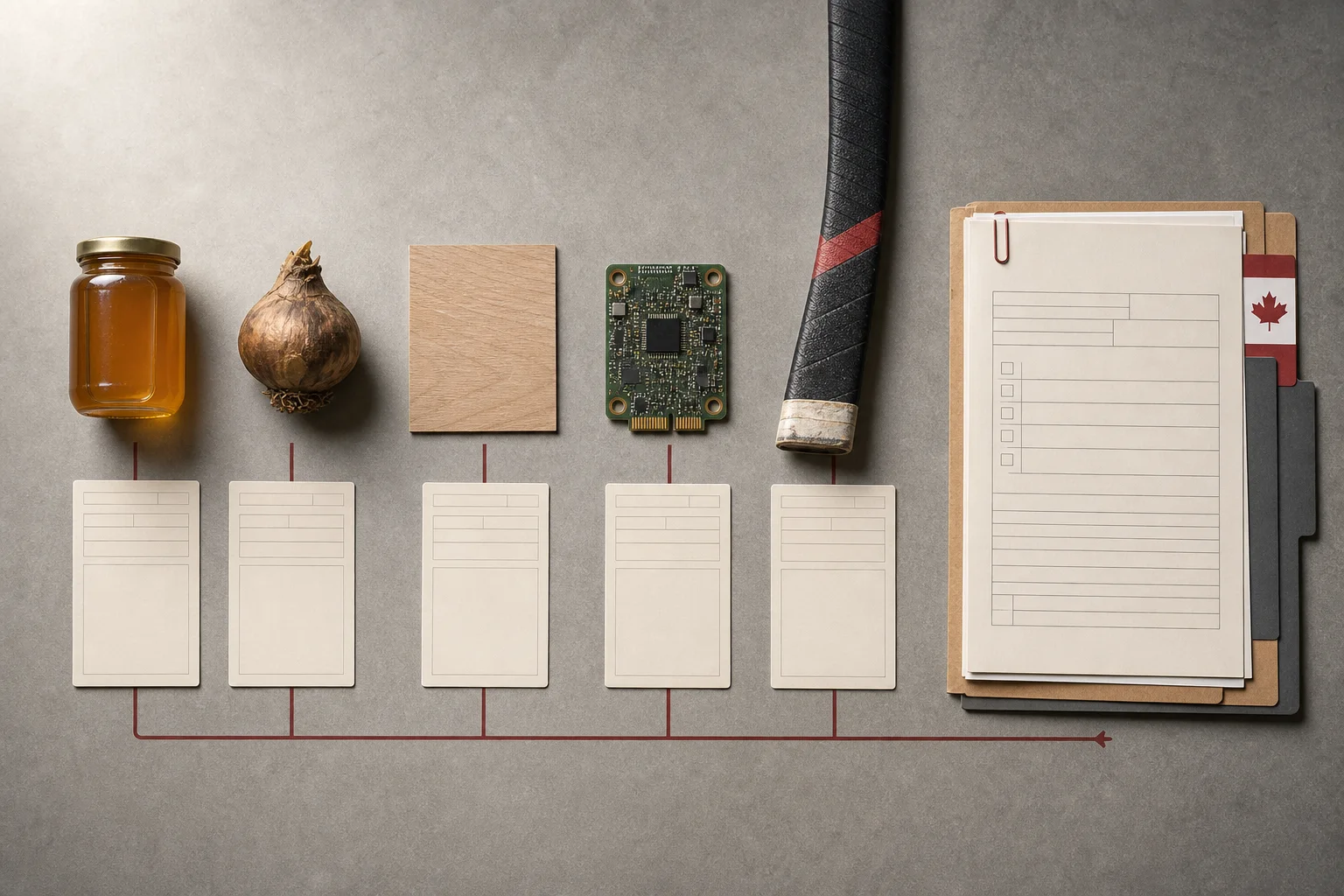
The administration issued separate proclamations around disputes involving motor vehicles, alcoholic beverages, and dairy. But the attached tariff schedules are broader than those labels suggest. The published lists include detailed classifications for goods such as honey, flower bulbs, cement, essential oils, wood products, paper goods, clothing, electronics, furniture, toys, and sporting equipment.
That does not mean every Canadian version of those products automatically faces the new duty. Each line is tied to a specific HTSUS provision, and the annex itself warns that its plain-language descriptions are informational. The tariff code controls.
The White House also says covered products do not receive an exemption merely because they qualify as originating goods under the U.S.-Mexico-Canada Agreement. That makes older compliance habits risky for companies accustomed to treating a valid USMCA claim as the end of the tariff review.
Check foreign-trade-zone inventory
Businesses using a U.S. foreign-trade zone have an extra timing issue. The proclamation generally requires covered Canadian goods admitted on or after the effective date to enter the zone in privileged foreign status. That status can lock in the tariff treatment that applies when the merchandise is admitted, so zone operators should review planned admissions and withdrawals with their broker or trade counsel before August 19.
Build a decision sheet, not a headline list
A useful review can be done in one working table. Give each product a row with the supplier, country of origin, current HTSUS code, proclamation and annex match, existing duty rate, possible new duty, planned entry date, foreign-trade-zone status, and the employee or adviser responsible for confirming the result.
Then sort by exposure. Start with high-value shipments arriving near August 19, products with uncertain classifications, goods covered by more than one tariff program, and contracts that do not clearly assign duty costs. The objective is not to predict every policy change. It is to identify the entries that could create the largest surprise.
What to watch next
Customs and Border Protection is authorized to issue implementation instructions, and the proclamation allows technical corrections or other HTSUS changes through the Federal Register. Businesses should monitor official CBP and Federal Register updates rather than assuming the July annexes will be the final operational guidance.
The policy could also be reduced, modified, suspended, or terminated. That uncertainty is a reason to use scenario planning, not a reason to delay the classification review. Build at least three cost cases: the duty takes effect as written, it is delayed, or the covered list changes.
For smaller importers, the practical next step is to send the product list and recent entry documents to a licensed customs broker now. For larger companies, procurement, finance, logistics, and legal teams should use the same tariff-code file so pricing and shipment decisions are based on one verified set of assumptions.
Bottom line
The expensive mistake is treating the August 19 action as a news headline instead of a classification deadline. Check the code, origin, exclusions, entry date, and full landed cost for every exposed Canadian shipment. This article provides general information, not legal or customs advice; businesses with uncertain classifications should seek a binding ruling or qualified professional guidance.


