
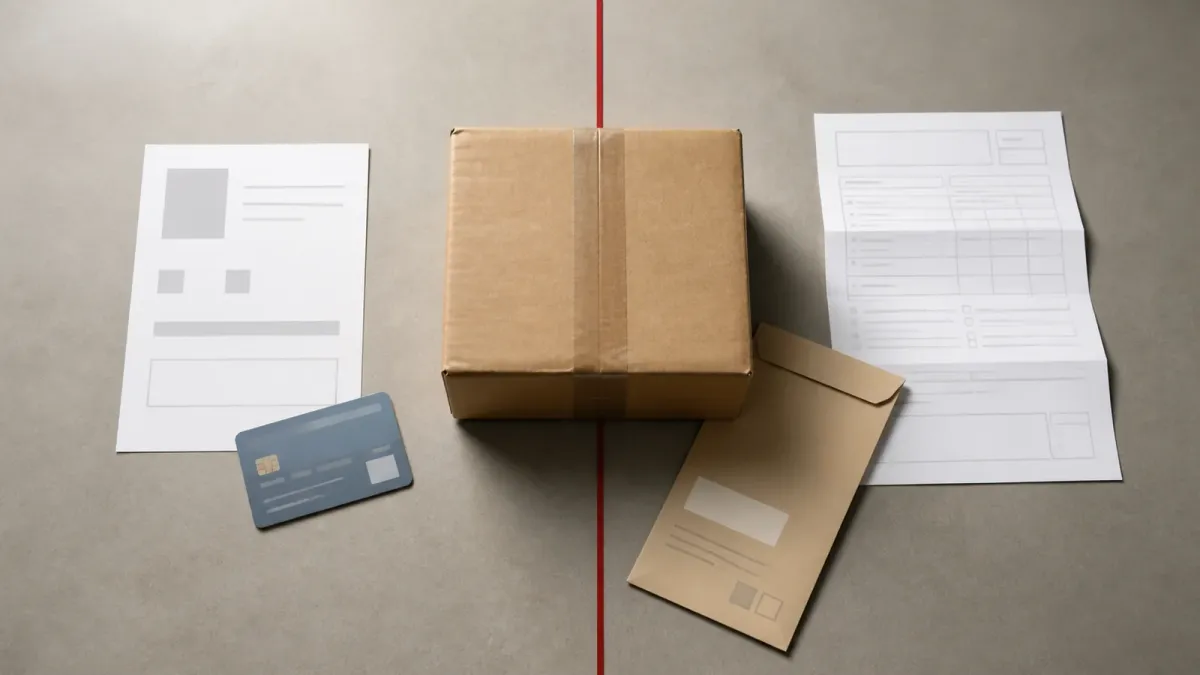
The old shortcut is gone: a package worth $800 or less is no longer automatically admitted to the United States free of import duty. A federal trade court reinforced that reality on August 13, 2026, when it upheld the president’s authority to suspend the de minimis privilege. For shoppers, the useful rule is simple: treat the checkout price on an overseas order as incomplete until the seller or carrier explains duties, taxes and handling charges.
The decision does not impose one new universal tariff on every small package. Duty still depends on facts such as the product, country of origin, applicable trade measures and entry method. What changed is the presumption that low value alone shields the shipment. That makes seller terms, carrier practices and documentation more important before you click buy.
This is general consumer information, not legal, customs or tax advice. Import rules can be technical, and a customs broker or U.S. Customs and Border Protection may be the right source for a valuable, regulated or business-critical shipment.
What the court actually decided
In Axle of Dearborn v. Department of Commerce, a three-judge panel of the U.S. Court of International Trade considered whether the International Emergency Economic Powers Act allowed the president to rescind the de minimis exemption. The panel held that it did. Its reasoning turned on the statute’s authority to nullify or void the exercise of a “privilege” involving foreign property, and on the customs law’s own description of de minimis treatment as a privilege.
The distinction matters. In February, the Supreme Court held that IEEPA did not authorize the president to impose tariffs. The August 13 trade-court opinion said suspending a duty-free privilege is legally different from creating a tariff. The court therefore granted the government summary judgment on the claims challenging the rescission and the agencies’ implementation of it. A separate claim concerning IEEPA tariff refunds was not resolved by this ruling.
The short answer for shoppers
Do not use “under $800” as a promise that an international order will arrive without extra import costs. CBP’s current rules independently suspend the administrative exemption for qualifying commercial merchandise, including mail shipments. Low-value goods now move through an appropriate entry process so applicable duties, taxes, fees and other charges can be assessed.
That does not mean every $40 or $400 order receives the same charge. A product can face a normal tariff rate, a special trade duty, an exemption under another provision or no duty under the applicable classification. A carrier or marketplace may collect an estimated amount at checkout, bill the recipient later or include a brokerage or handling fee. The label “free shipping” usually speaks to transportation, not necessarily to import charges.
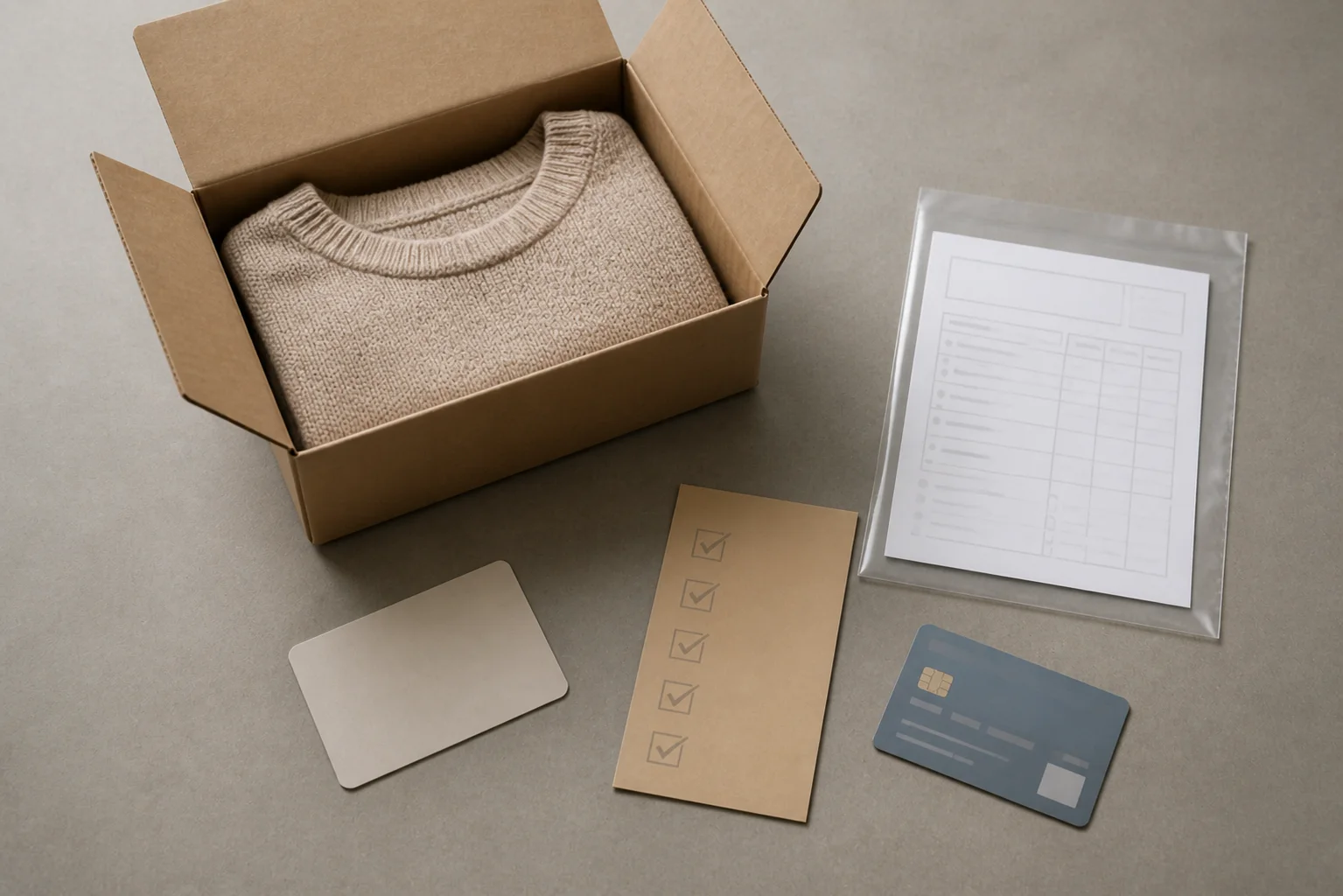
Do this before you pay
- Find the ship-from country and country of origin. They are not always the same. A warehouse location does not necessarily determine where customs considers the product to originate.
- Look for delivered-duty language. Terms such as “duties included” or “delivered duty paid” are more useful than a vague promise of international delivery. Read the seller’s full import-cost and refusal policy.
- Check the carrier’s fee page. Postal operators and express carriers can use different entry and collection processes. Brokerage, advancement or disbursement fees may be separate from the government duty.
- Ask for the product description and classification details. Material, intended use and manufacturing origin can affect how goods are classified. Be cautious if a seller offers to understate value or mislabel merchandise.
- Set a landed-cost ceiling. Decide the maximum total you would accept after price, shipping, duty, tax and carrier fees. If the seller cannot explain who pays import charges, compare a domestic option before ordering.
Keep these records
Save the product page, checkout screen, receipt, seller’s duty policy, tracking number and any message promising that charges are included. If a carrier requests payment, ask for an itemized notice showing the government charge and any carrier fee separately. Those records can help you challenge a billing error, pursue a seller refund or explain the transaction to a customs professional.
If you refuse delivery, do not assume the original purchase price or shipping charge will automatically return. The seller’s terms may deduct return transport, import processing or restocking costs. Read that policy before a high-value purchase, not after the package reaches the border.
Two exceptions shoppers often confuse
CBP’s June 2026 interim rule says the suspension does not eliminate the separate exemptions for qualifying bona fide gifts or certain personal or household articles accompanying a traveler. Those are narrower rules with their own value limits and conditions. A commercial order does not become a bona fide gift because a retailer checks a “gift” box, and merchandise shipped separately is not the same as an item accompanying a traveler.
What happens next
The court’s ruling leaves the de minimis suspension in place, while federal law separately ends the statutory basis for the exemption on July 1, 2027. The August 13 opinion also leaves part of Detroit Axle’s case unresolved, and further litigation could affect refund questions tied to the now-invalidated IEEPA tariffs. None of that restores a simple $800 duty-free rule for today’s shopper.
The practical bottom line is to price the border into the purchase. If the seller clearly states the landed cost and stands behind it, you can compare the order on equal terms. If the import charges are vague, the bargain is not fully priced yet.


