
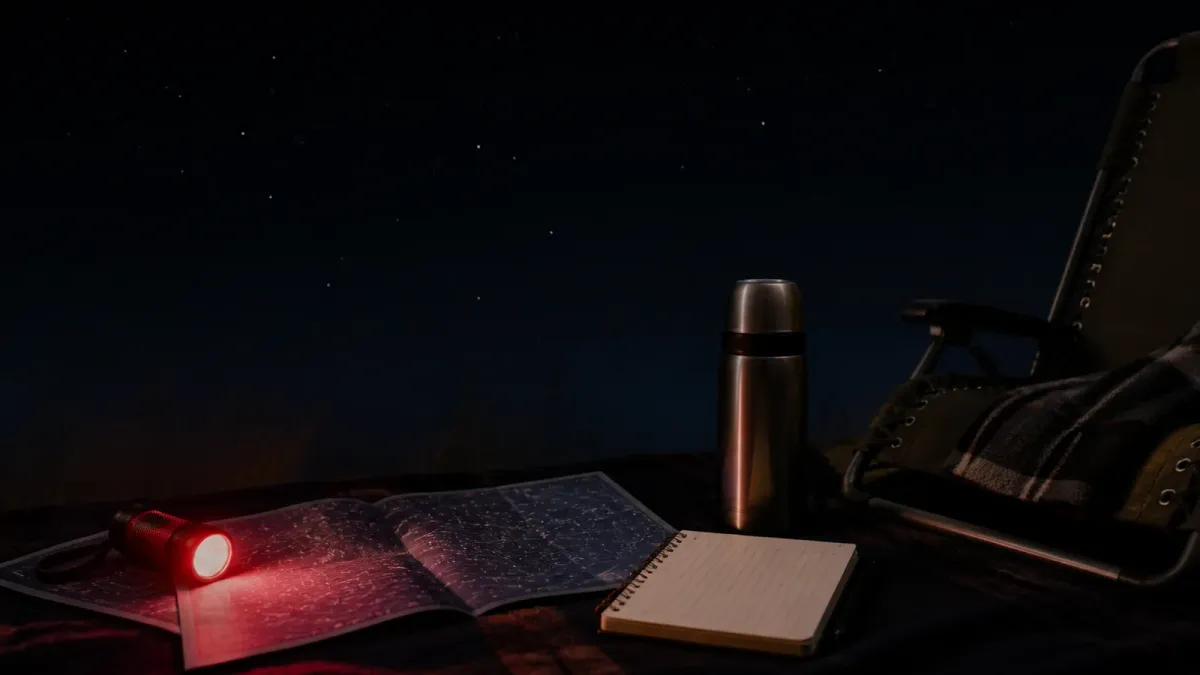
The 2026 Perseid meteor shower has the kind of setup skywatchers wait for: it peaks the night of Wednesday, August 12, into the early morning of Thursday, August 13, with a new moon keeping the sky dark.
NASA says the Perseids will peak under dark skies that night, while the American Meteor Society lists the shower as active through August 24 and puts the next peak on August 12-13 with the moon 0% full. That does not guarantee a perfect view from every backyard, but it does mean the moon should not be the thing washing out the show.
The short version: go somewhere dark, give your eyes time, look generally northeast after the sky is fully dark, and stay out later if you can. The best viewing often improves after midnight and into the hours before dawn.
The five details to check first
Start with the date. The most useful window for most U.S. readers is the night of August 12 into August 13. EarthSky says the predicted peak is 14:53 UTC on August 13, which makes the mornings of August 12 and 13 the best bets, with August 14 still possible but usually past the strongest point.
- Time: Start once it is fully dark, then stay later if you can. The radiant climbs higher as the night goes on.
- Direction: NASA advises looking toward the northeast after dark, but you do not need to stare at one point. Perseids can streak across any part of the sky.
- Moon: The new moon on August 12 is the big advantage this year. It reduces natural skyglow during the peak.
- Light: A rural or darker suburban spot matters more than special gear. Streetlights, porch lights, phone screens, and headlights can erase faint meteors.
- Patience: Give your eyes about 30 minutes to adjust before judging the display.
You do not need a telescope
The most common mistake is treating a meteor shower like a planet or eclipse. A telescope narrows your view, which is the opposite of what you want for meteors. Your eyes are better because the streaks can appear across a wide patch of sky.
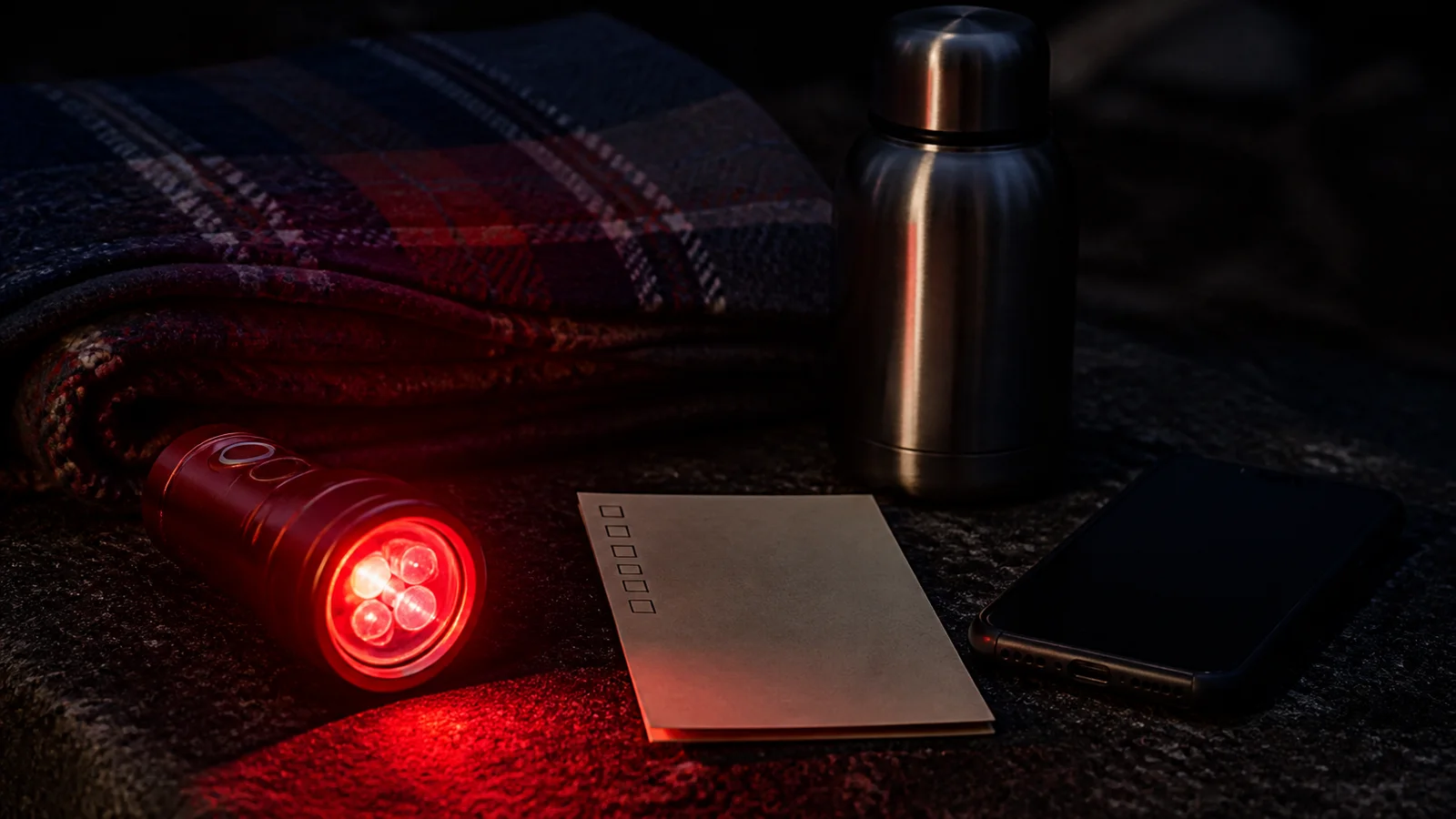
Bring a blanket, reclining chair, warm layer, water, and a red flashlight if you have one. If you use a phone, dim the screen and avoid repeatedly checking it. Each bright glance resets part of the dark adaptation you waited for.
Why this year is better than many Perseid nights
The Perseids happen every year when Earth moves through debris left by Comet Swift-Tuttle. Tiny grains hit the atmosphere at high speed and burn as bright streaks. The shower is popular partly because it arrives during August evenings in the Northern Hemisphere, when many people can comfortably stay outside.
This year’s practical difference is the moon. The American Meteor Society says normal hourly rates from rural locations can reach 30 to 50 shower members per hour near maximum, and it lists a zenithal hourly rate of 100 for the 2026 Perseids. Those figures describe strong conditions, not a promise for every viewer, but they explain why a moonless peak is worth planning around.
NASA also notes that August 12 includes a total solar eclipse across northern Russia, Greenland, Iceland, northern Spain, and part of Portugal, with a partial eclipse visible in parts of the United States. For U.S. readers, the meteor shower is the simpler event to plan around because it does not require eye protection and does not depend on being in the eclipse path.
Common mistakes
Do not wait until the exact predicted peak minute. Meteor showers are not appointment television; they build and fade over nights, and local darkness matters. If you can only watch one night, choose August 12-13. If your schedule is flexible, consider checking the sky on both August 12 and August 13.
Do not stand under a streetlight and expect the same result someone gets in a dark field. The better question is not where Perseus is, but where your darkest open sky is. A park, rural driveway, campground, beach, or open field can help if it is legal and safe to be there after dark.
Do not drive tired after a pre-dawn watch. If your plan depends on the hours before dawn, decide ahead of time whether you are staying close to home, going with another adult, or choosing a site where you can rest before returning.
Bottom line
The 2026 Perseids are worth a calendar note because the peak lines up with a new moon. The best plan is simple: pick a dark open place, go late on August 12, let your eyes adjust, and give the sky more than a few minutes before deciding whether the show has started.


