
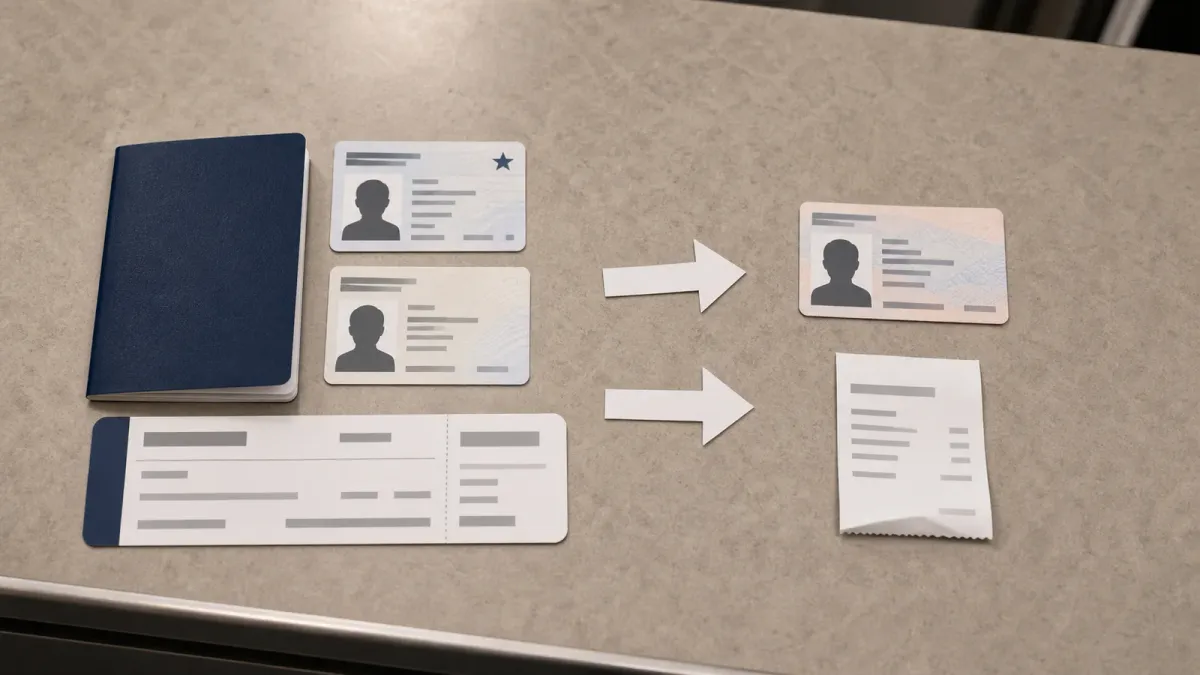
If you are flying inside the United States and your driver's license is not REAL ID compliant, TSA ConfirmID may look like a simple backup: pay $45, verify your identity, and keep moving. The safer plan is to treat it as an emergency option, not your first choice.
The short version: a REAL ID-compliant license, passport, passport card, military ID, permanent resident card, DHS trusted traveler card, or another TSA-accepted document is still the cleanest way through the checkpoint. TSA says ConfirmID is available for travelers who do not have an acceptable ID, but the agency still must be able to verify the traveler, and clearance is not guaranteed.
That matters now because the fee is active, summer travel is still busy, and recent traveler complaints have put the cost back in public view. Before you pay, check whether you already have an accepted alternative in your wallet, whether your trip falls inside the 10-day ConfirmID window, and whether the airport timing risk is worth it.
The short answer
Use TSA ConfirmID only when you cannot present a REAL ID or another accepted form of identification at a domestic airport checkpoint. TSA lists the fee at $45 and says the process lets the agency attempt to verify your identity. The Defense Travel Management Office has also warned government travelers that verification is not guaranteed and that the expense is not reimbursable for Defense Department travelers on official travel.
The process is not the same as buying permission to fly. If TSA cannot confirm your identity, you may still be denied access to the security checkpoint. If you are traveling internationally, the airline and your destination country may require a passport or visa regardless of what TSA accepts at the checkpoint.
Check your ID before you check your bag
Start with the star. REAL ID-compliant state licenses and ID cards are typically marked with a star near the top of the card. If your license has the right marking and has not expired beyond TSA's accepted limits, you may not need ConfirmID at all.
If the star is missing, look for an alternative document. TSA's accepted-ID list includes U.S. passports and passport cards, DHS trusted traveler cards such as Global Entry and NEXUS, U.S. military IDs, permanent resident cards, border crossing cards, tribal photo IDs, transportation worker credentials, and several other federal or state documents. Some digital IDs are accepted at participating checkpoints, but availability depends on state, airport, device, and TSA lane support.
Children under 18 do not need to present identification when traveling within the United States with an adult companion, according to TSA. That rule does not remove airline document requirements for special cases, unaccompanied minors, or international travel, so families should still check the airline's instructions before leaving for the airport.
What the $45 fee does and does not do
TSA announced that ConfirmID would be available beginning February 1, 2026, for travelers without REAL ID or another acceptable document. The agency has described the fee as covering a 10-day travel period, which can matter for round trips, same-week connections, and people replacing a lost wallet during travel.
The most important limit is in the word attempt. TSA says ConfirmID lets it try to verify the traveler's identity. It is not a guarantee that verification will succeed, and it does not replace airline check-in rules, international document rules, or the need to match the traveler to the ticket.
It may also take extra time. AP reported when the fee took effect that travelers could face additional screening time, and TSA has repeatedly urged travelers without REAL ID to plan ahead. If your flight is close, paying at the last minute may solve the fee problem but not the timing problem.
Do this before paying
First, open TSA's current acceptable-ID list and compare it with every document you can realistically bring. A passport, passport card, trusted traveler card, military ID, or permanent resident card may save the fee and the uncertainty.
Second, check whether your state can issue or renew a REAL ID before your trip. DMV processing times vary, and a temporary paper license may not solve the checkpoint problem, but travelers with several weeks of lead time may have better options than paying at the airport.
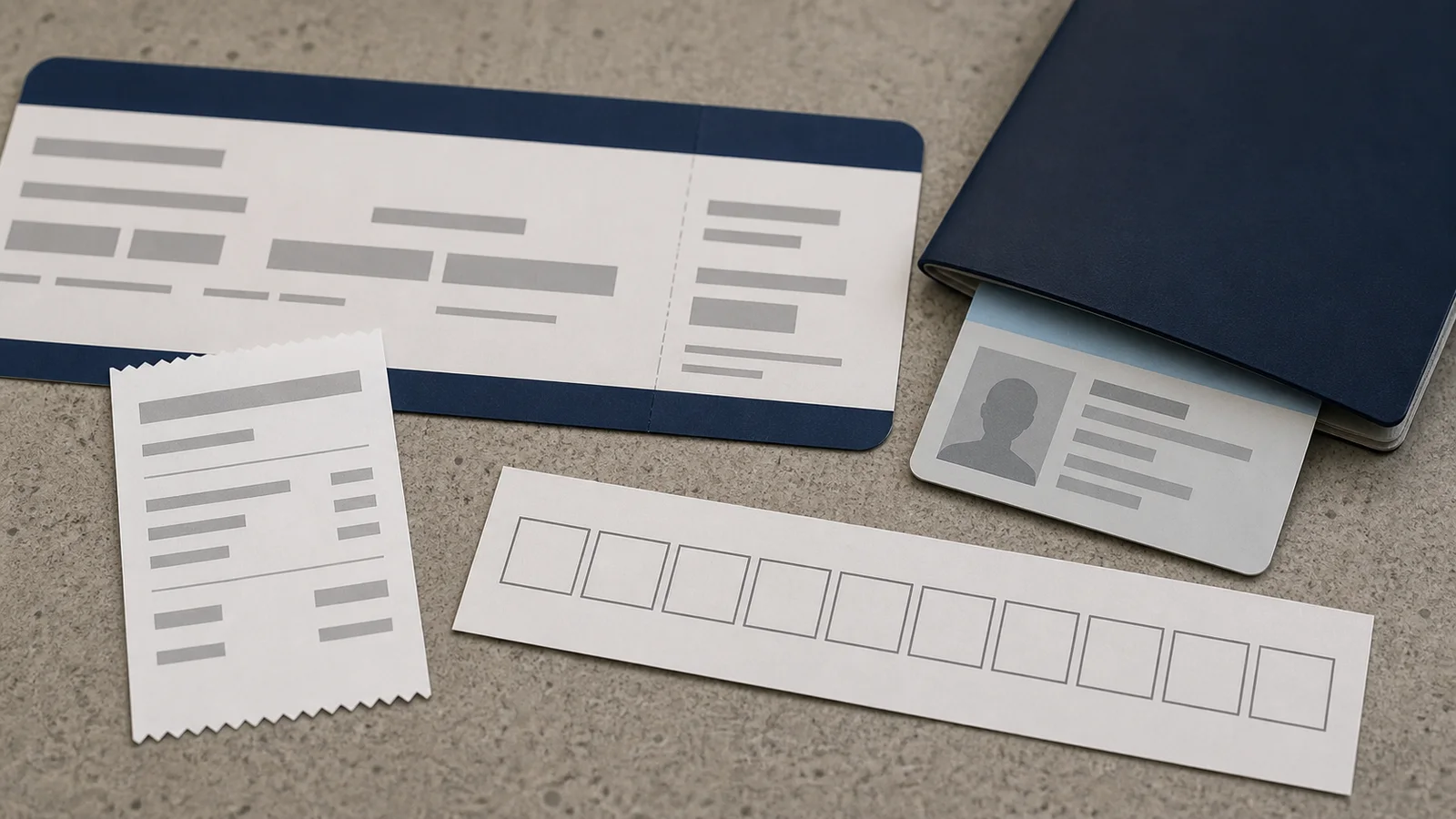
Third, if ConfirmID is your only realistic option, use the official TSA ConfirmID page rather than a search ad, third-party page, or link from a social post. Keep the receipt where you can find it quickly at the airport and build extra time into your departure plan.
Fourth, do not assume one payment covers every scenario. Check the date window, the exact travelers covered, and whether every person age 18 or older in your party has an accepted ID or needs a separate plan.
Common mistakes
The first mistake is confusing a regular driver's license with a REAL ID license. A state license can be valid for driving and still fail the federal checkpoint standard if it is not REAL ID compliant.
The second mistake is packing the better document in checked luggage. If your passport or trusted traveler card is in a suitcase you already handed to the airline, it cannot help at the security checkpoint.
The third mistake is arriving on a normal timeline. A traveler who needs identity verification should assume the checkpoint process may take longer than usual, especially at a busy airport, during school breaks, or when several people in the same party need help.
The fourth mistake is treating social-media anecdotes as policy. Complaints about charges or delays may be useful warning signals, but the rule to rely on is the current TSA page. If a charge appears wrong, start with TSA's official guidance and your financial institution rather than reposted screenshots.
Bottom line
If you can bring an accepted ID, bring it. If you cannot, TSA ConfirmID is a paid backup with real limits: $45, a 10-day window, extra time, and no promise that identity verification will succeed. The best travel move is to find the accepted document before you leave home, not to discover the fee at the checkpoint.


