

A $15 quick-meal budget is no longer a national rule of thumb. DoorDash's State of Local Commerce report says its Cheeseburger Index, which tracks the average cost of a cheeseburger, fries and a soda, was up 3.2% year over year as of June 2026.
The useful part is not the burger. It is the gap. DoorDash lists Austin, Texas, as the lowest-cost city in the index at $12.94, while Fox Business reported that the same basket averaged $28.28 in Anchorage, Alaska. That means the same casual meal can be comfortably under $15 in one city and nearly double that in another.
For households trying to keep eating-out costs under control, the lesson is simple: build the food budget around your actual city, not a national average or a menu-price memory from a few years ago.
The short answer
If you are trying to hold a quick restaurant meal to about $15, treat that number as a local test. DoorDash says the lowest-cost cities in its index include Austin, Laredo, Lincoln and Detroit, where the average cheeseburger meal was below $15 or right at the line. In higher-cost cities, the same plan may require sharing sides, skipping drinks, choosing takeout over delivery, or moving restaurant meals into a smaller weekly category.
The index is not a full cost-of-living calculator. It is one basket from one platform's local-commerce data. But it is a useful warning because the basket is familiar: a burger, fries and a soda are ordinary enough that most people have a mental price for them.
Why the same meal can cost so much more
DoorDash says local restaurant prices reflect more than beef, potatoes and soda syrup. Rent, wages, energy, insurance, delivery economics and local competition all show up in the final menu price. That is why two cities can feel like different economies even when the item on the receipt looks identical.
Fox Business quoted DoorDash Chief Analytics Officer Jessica Lachs saying there is not one economy, but many local economies. That is the practical point for consumers: inflation is not only a national headline. It is also the price you face on the street where you actually buy lunch.
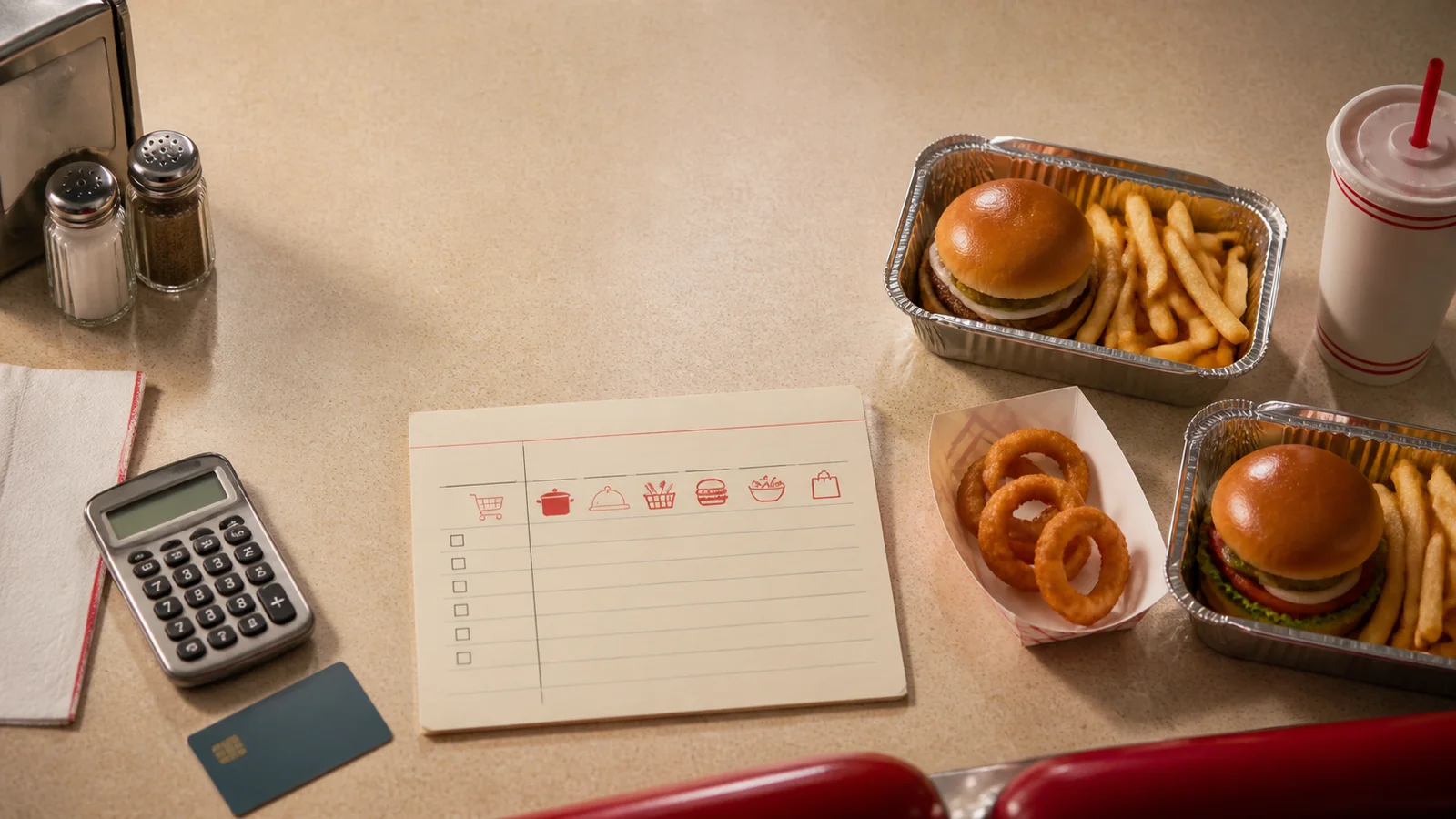
How to use the index without overreading it
Start with the index as a signal, not a verdict. A city with a lower average burger-meal cost is not automatically cheap for rent, child care, commuting or health care. A city with a higher burger-meal cost is not automatically unaffordable for every household. The value is that the index turns a vague complaint about prices into a concrete comparison.
For a monthly food budget, that comparison can change the math. If a household buys two quick meals a week, a $5 difference per meal is roughly $40 a month. A $10 difference is roughly $80. That is not enough to explain an entire budget, but it is enough to matter when groceries, rent and transportation are already competing for the same paycheck.
What to do before you cut restaurant spending
First, separate dining out from delivery. A meal that looks manageable on the menu can change once service fees, delivery fees, tips and small-item markups are included. If the goal is a $15 meal, compare pickup, takeout and in-person prices before deciding that a restaurant is too expensive.
Second, set a local trigger number. In a lower-cost city, the trigger may be $15 for a full meal. In a higher-cost market, the trigger may be $20, or it may be a rule that drinks and sides are shared. The point is to make the decision before you are hungry and scrolling.
Third, watch the repeat purchases. A pricey anniversary dinner is visible in the budget. The quiet leak is the ordinary meal that used to feel cheap and now costs a little more every time. If that meal moved from $13 to $18, the habit changed even if the restaurant did not.
What to watch next
The next signal is whether restaurant prices keep rising faster than grocery staples. DoorDash's report says the cheeseburger basket rose 3.2% from a year earlier as of June 2026, while Fox Business noted that broader restaurant costs remain pressured even as some grocery and household staples have stabilized.
For consumers, the best response is not to memorize one index. It is to update the budget with local prices every few months. If the same meal keeps breaking the old ceiling, the choice is not just where to eat. It is whether that habit still belongs in the weekly plan.


