
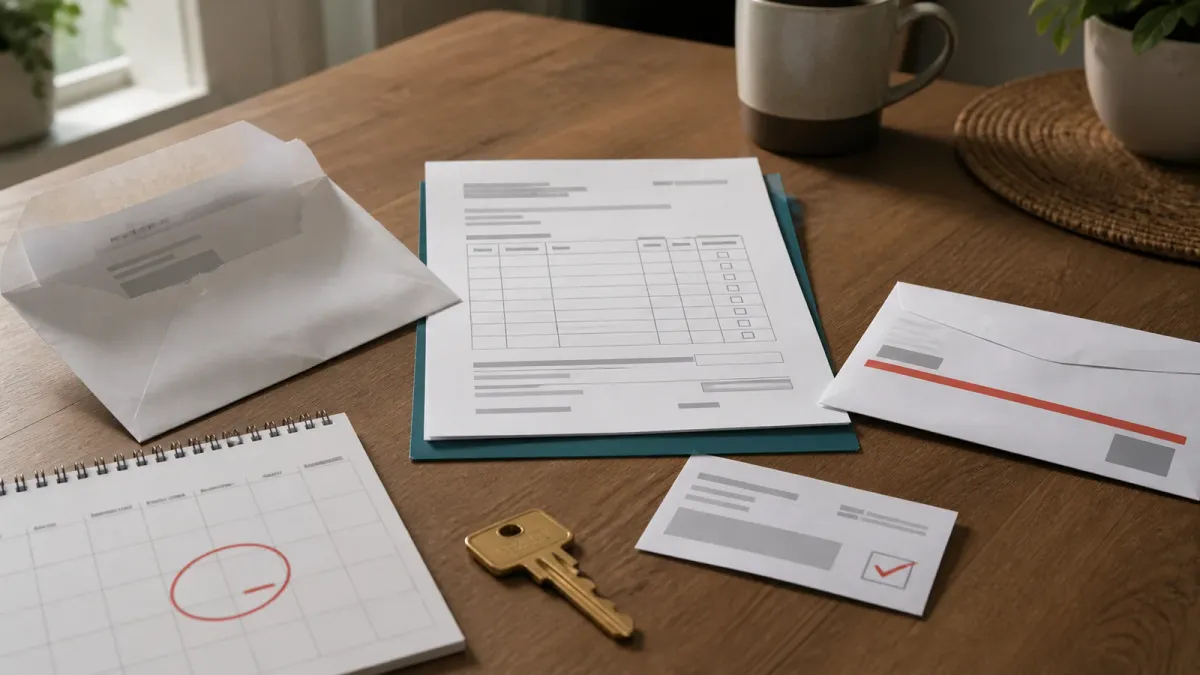
An HOA bill can look like one more piece of house paperwork. In 2026, it deserves a closer read. New property-data reporting shows homeowners associations are using liens and foreclosure filings more aggressively as their own budgets tighten, which means a missed assessment can become more than a late fee.
The risk is not the same in every state, every neighborhood, or every association. But the pattern is clear enough to change how homeowners and buyers should treat dues notices, special assessments, collection letters, and resale documents.
The short answer: do not ignore an HOA notice, even if the amount looks small. Ask what the charge is, whether it can become a lien, what deadline applies, and whether state law gives the association a path to foreclosure. If the notice mentions a lien, attorney, collection firm, hearing, sale, or default, treat it as time-sensitive and get qualified local advice.
Why this matters now
Cotality, the property data company formerly known as CoreLogic, says total U.S. HOA liens rose 41.7% from 2022 to 2025, reaching 250,951 filings. Its 2026 HOA Lien and Foreclosure Risk Report also says HOA foreclosure filings rose 46.1% by 2025, with Florida, Texas, Nevada, California, and Arizona accounting for 85.2% of national HOA foreclosure volume.
That does not mean most HOA residents are in danger of losing a home. The Foundation for Community Association Research estimates that community associations house nearly 80 million Americans and represent about one-third of U.S. housing stock. Most owners will never face a foreclosure filing. The point is narrower: when a dispute does escalate, the paperwork can move from association accounting to legal collection faster than many owners expect.
The broader housing backdrop is also tighter. CBS News, citing ATTOM data, reported that U.S. foreclosure filings reached nearly 228,000 from January through June 2026, up 21% from a year earlier and 28% from two years earlier. HOA collections are a separate issue from mortgage default, but both point to a household-cash-pressure environment where small delays can compound.
Do this first
First, identify exactly what the association says you owe. Separate regular assessments from special assessments, late fees, fines, interest, attorney fees, and collection costs. Some state rules treat these categories differently, and an owner who argues only about the total balance may miss the charge that triggered the lien process.
Second, look for the real deadline. A friendly reminder, a demand letter, a notice of intent to lien, and a foreclosure notice are not the same document. Put every date into a calendar and keep the envelope, email headers, portal screenshots, and payment confirmations. If you call the association or manager, follow up in writing so there is a record.
Third, ask for the account ledger and governing documents. You want the current balance, how it was calculated, the board policy on collections, any payment-plan rules, and the section of the declaration or bylaws the association is relying on. If the dispute is about a fine, ask what hearing or appeal process is available.
Fourth, do not assume a mortgage lender will solve it. An HOA lien can create a separate claim against the property. In some states, association liens can receive strong priority treatment, while other states require different notice, hearing, court, or redemption steps. The details are local, so general national guidance is only a starting point.
If you are buying in an HOA
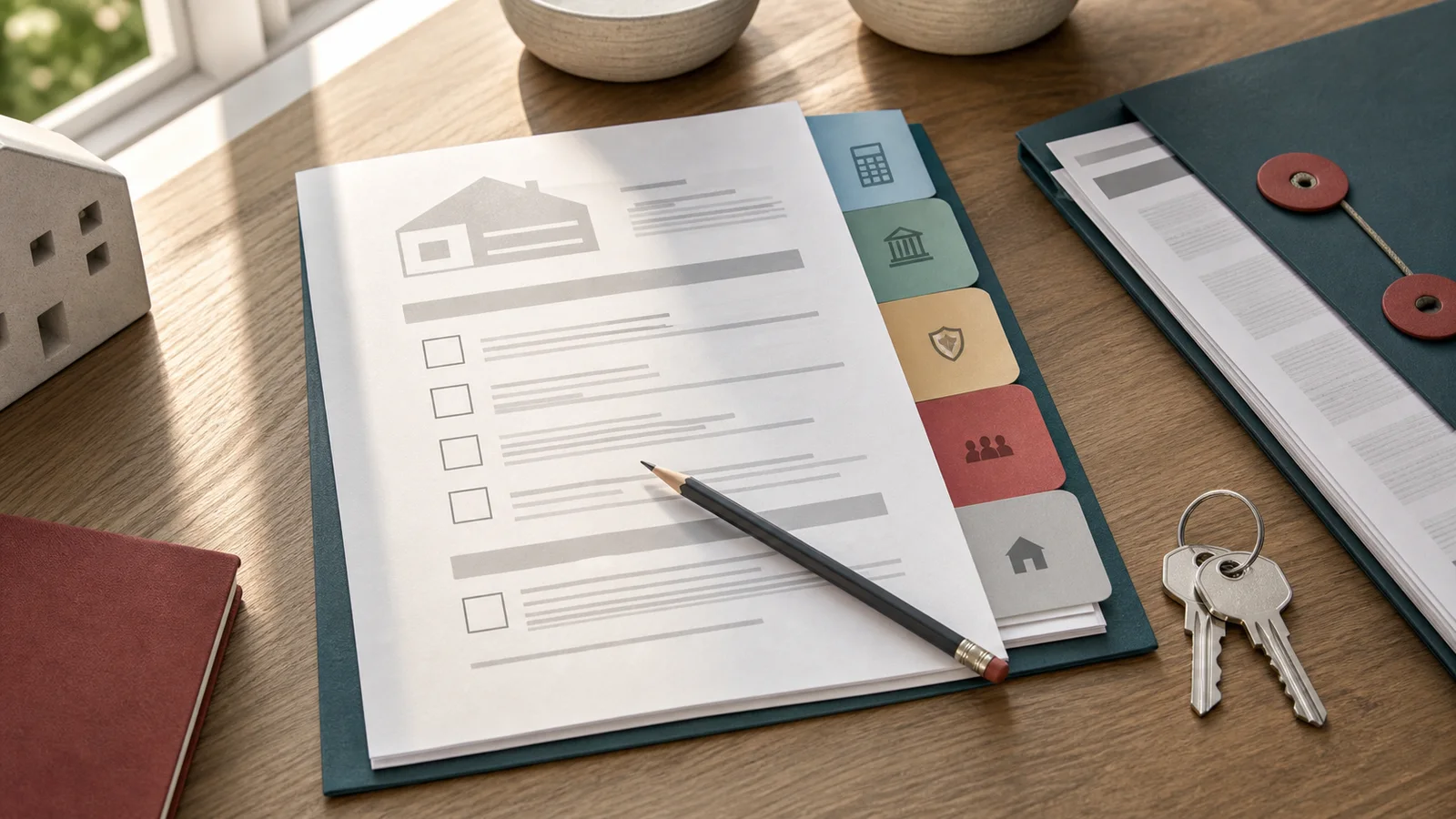
Buyers should treat HOA documents as part of the price of the home, not as closing-folder clutter. Ask for the budget, reserve study, recent meeting minutes, insurance information, pending litigation, special-assessment history, delinquency rate, and rules on rentals, pets, parking, and exterior changes.
A low monthly assessment is not automatically good news. It may mean the association is efficient, or it may mean maintenance has been deferred and a special assessment is more likely later. A high assessment is not automatically bad news either if it funds reserves, insurance, repairs, and services transparently.
The practical question is whether the association's obligations match its income. If insurance, roof work, elevators, structural repairs, legal costs, or amenities are rising faster than dues, owners may face higher assessments, new borrowing, delayed maintenance, or tighter collections. Ask how the board plans to close the gap before you waive contingencies.
Common mistakes
The first mistake is treating an HOA balance like an ordinary consumer bill. Association claims are tied to property rights, and that gives the dispute a different kind of leverage.
The second mistake is paying the newest monthly dues while leaving an old charge unresolved. Some ledgers apply payments in ways that still leave the account in default. Confirm how each payment will be credited.
The third mistake is waiting until the sale date, hearing date, or attorney deadline is close. Options can shrink quickly. If the amount is wrong, unaffordable, or tied to a disability, military-service, bankruptcy, probate, divorce, or job-loss issue, get help early from a housing counselor, legal aid office, real estate attorney, or other qualified local professional.
Bottom line
An HOA notice is worth opening the day it arrives. The safest move is boring but effective: verify the amount, document every payment and objection, ask for the rule behind the charge, and escalate before the file leaves routine billing. For buyers, the same lesson applies before closing. The condition of the association can matter almost as much as the condition of the home.


