
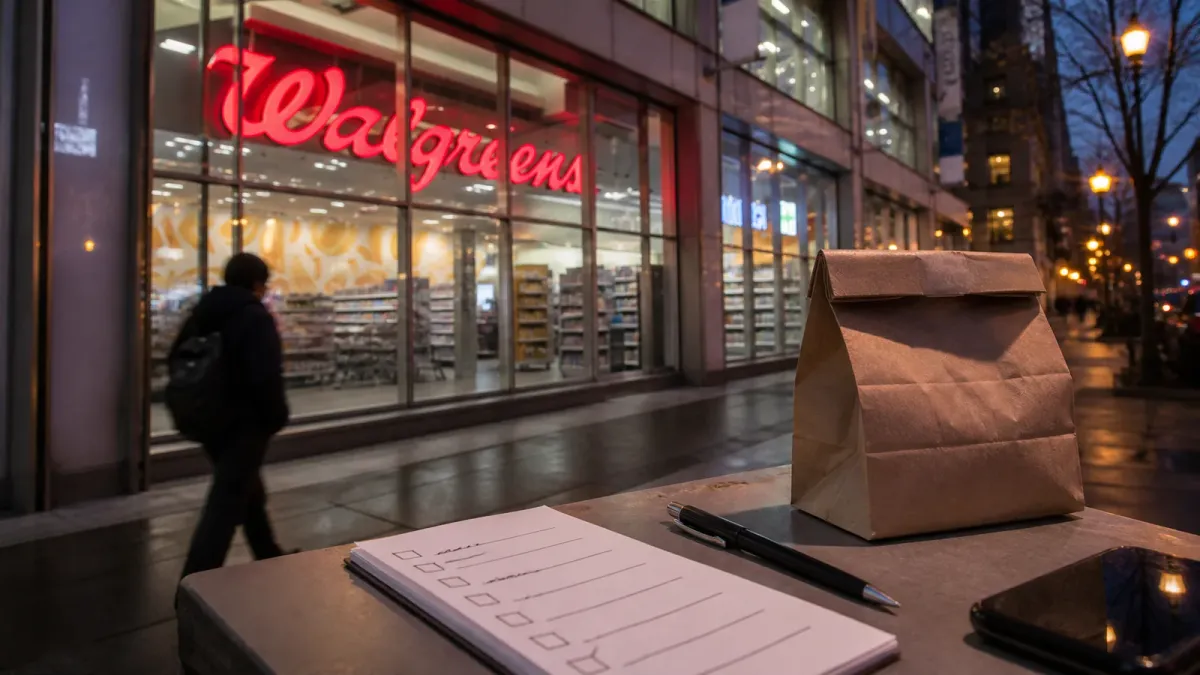
If your local Walgreens is on a closure list, do not wait for the final week to figure out your prescriptions. The safer move is to confirm where each refill will be handled, which delivery options apply and what backup pharmacy you would use if a medication runs short.
The company has been reducing its U.S. footprint for more than a year. In a Securities and Exchange Commission filing for the quarter ended May 31, 2025, Walgreens Boots Alliance said its store-optimization plan and older cost-cutting program were expected to close 1,200 to 1,300 stores by the end of fiscal 2027, and that 423 stores had closed in the first nine months of fiscal 2025.
The latest 2026 reports suggest the pace has slowed, with fewer than 100 closures expected this year instead of earlier internal estimates near 700. That is good news for some neighborhoods, but it also means patients may see staggered local announcements rather than one simple national list. For people who fill monthly medications, a short notice can still create real access problems.
Do this first
Check whether your prescriptions are automatically moving to another Walgreens or whether you need to choose a different pharmacy. Walgreens says customers can manage refills, previous prescriptions, transfers and store changes through its pharmacy tools, but affected patients should still verify the destination store, pickup date and contact information.
Next, review every medication that cannot tolerate a gap. That includes insulin, heart and blood-pressure medications, seizure drugs, psychiatric medications, inhalers, antibiotics in progress and any controlled substance with stricter refill rules. Ask the pharmacist whether a 90-day fill, early refill, mail service or provider-issued replacement prescription is allowed under your plan.
Check delivery limits
Walgreens says eligible prescriptions may qualify for 1- to 2-business-day delivery or same-day delivery, but its own delivery pages list restrictions. Some prescriptions, health plans, addresses, holidays and timing rules can make delivery unavailable. Free delivery tied to a store closing may also be limited and may exclude same-day service.
That means delivery should be a backup plan, not your only plan. If you rely on refrigerated medication, weekend pickup, caregiver pickup or a pharmacy that knows your history, confirm those details before the closing date.
Build a backup
Choose a second pharmacy now, even if you expect to stay with Walgreens. Compare hours, drive-through access, delivery, insurance network status and whether the pharmacy can handle your specific medication. If the alternate pharmacy is outside Walgreens, ask how long a transfer normally takes and whether your doctor must send a new prescription.
Keep a current medication list with drug names, dosages, prescriber names, pharmacy phone numbers and refill dates. If a store closes suddenly or a transfer stalls, that list helps your doctor, insurer or new pharmacist solve the problem faster.
Bottom line
A Walgreens closure is not just a retail inconvenience for people who depend on regular prescriptions. Treat the notice like a deadline: verify the transfer, test the delivery option, protect high-risk refills and pick a second pharmacy before you need one.


