
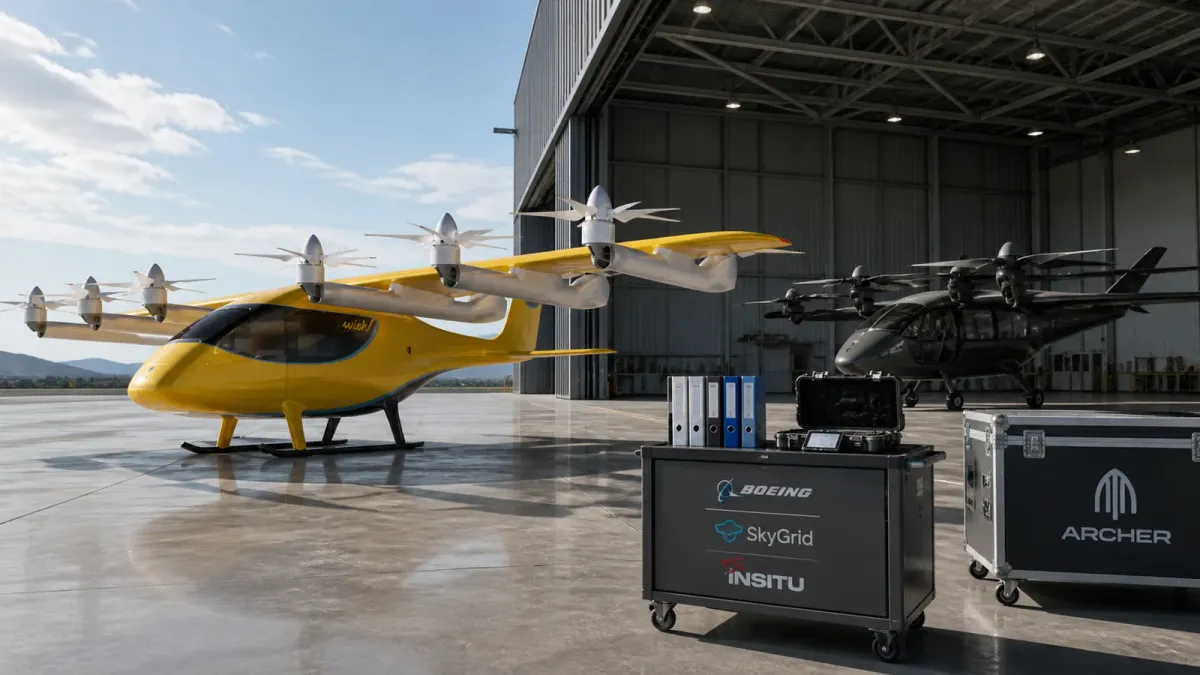
Boeing is moving three aviation-technology businesses into Archer Aviation, turning the air-taxi company's next phase into a test of whether autonomous-flight software, drones and electric aircraft can become one platform instead of separate bets.
The companies said on August 10, 2026, that Archer signed definitive agreements to acquire Boeing's Wisk Aero, SkyGrid and Insitu subsidiaries. Boeing would take a strategic stake in Archer, retain access to Wisk's autonomous-flight technology and collaborate with Archer after the deal closes.
The short version: Archer gets scale, Boeing gets a cleaner portfolio and both companies keep a hand in the autonomy race. The harder question is whether combining passenger eVTOL aircraft, airspace software and defense drones can speed certification, revenue and real-world deployment without creating integration problems.
What Archer is buying
Wisk is the most visible consumer-facing piece of the deal. It has spent years developing autonomous electric vertical takeoff and landing aircraft, and Boeing and Archer said Wisk has designed, built and flown six generations of eVTOL aircraft with more than 1,700 flight tests.
SkyGrid is the software layer. Boeing and Archer describe it as a ground-based, aircraft-agnostic air-traffic management platform meant to help automated aircraft operate safely in shared airspace. That matters because flying taxis and drones do not scale only by building aircraft; they also need rules, routing, monitoring and coordination.
Insitu is the revenue and defense piece. The companies said Insitu's business generates more than $200 million in annual revenue and operates across 35 countries. Archer's own quarterly update said the transaction would add that defense business while expanding the company's broader aerospace and defense platform.
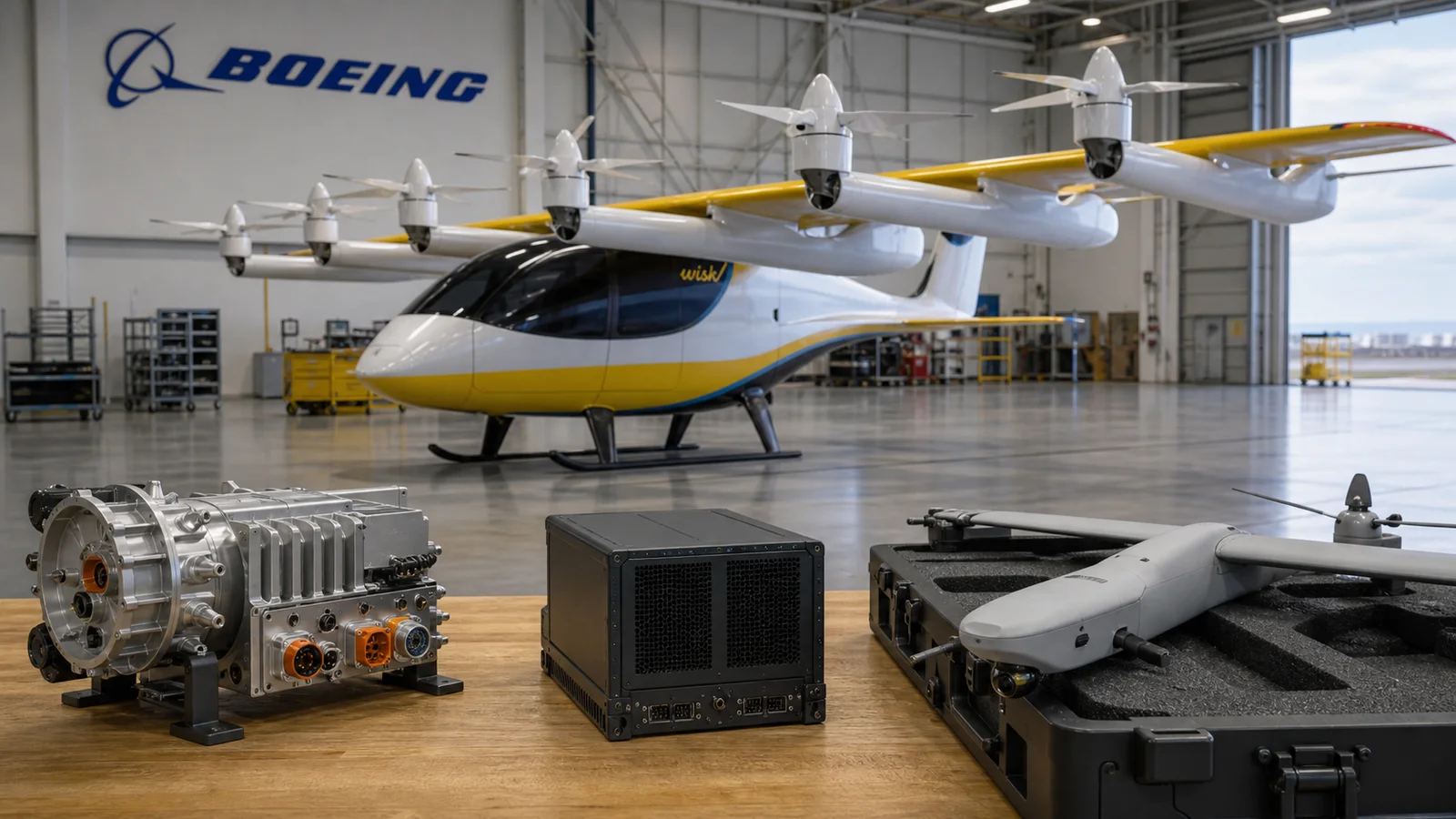
Why Boeing is not simply walking away
The deal is structured as a handoff, not a full exit from the technology. Archer's SEC filing says Boeing would receive Class A shares equal to 19.75% of Archer's shares outstanding immediately before closing, subject to adjustments. Boeing would also receive two warrants tied to $100 million each, with exercise prices of $13 and $17.88, and a one-year lock-up on consideration shares.
The same filing says Boeing would have the right to designate one board nominee as long as it keeps a minimum ownership threshold. It also describes reciprocal intellectual-property licenses and transition-services arrangements expected at closing. In plain English, Boeing is trying to reduce direct ownership of these units while preserving exposure to the technology if Archer can make it work.
What still has to happen
The acquisition is not closed. Archer told investors that the deal remains subject to closing conditions, including antitrust waiting-period requirements, certain national-security or foreign-investment approvals, the absence of legal restraints and New York Stock Exchange listing approval for the new shares.
Boeing and Archer said they expect the transaction to close by the end of 2026. The SEC filing also lists May 9, 2027, as a termination date, with possible extensions tied to regulatory conditions. That means the announcement is a concrete deal, but the final structure can still be delayed, adjusted or blocked.
Why readers should care
For travelers, the deal is another sign that air taxis are moving from futuristic renderings toward a more complicated aviation business. Aircraft certification, airspace coordination, pilot or autonomy rules, battery economics, noise limits and city-by-city approvals still matter more than marketing videos.
For investors and workers, the deal reframes Archer as more than a pure consumer air-taxi company. If it closes, Archer would inherit a defense-drone business, airspace software and Wisk's autonomous-flight work. That diversification could make the company more durable, but it also gives management more to integrate before the market can judge results.
For Boeing, the transaction fits a narrower strategic message: focus resources on core aircraft businesses while keeping access to technology that may shape future commercial and defense platforms. It is not a guarantee that autonomous air taxis are ready for mass adoption. It is a bet that the companies that control the software, certification path and operating data will matter as much as the aircraft themselves.
The bottom line: this is not just an air-taxi acquisition. It is Boeing transferring three autonomy assets to a smaller company while keeping enough ownership and technology access to benefit if Archer turns them into a working aerospace platform.


