
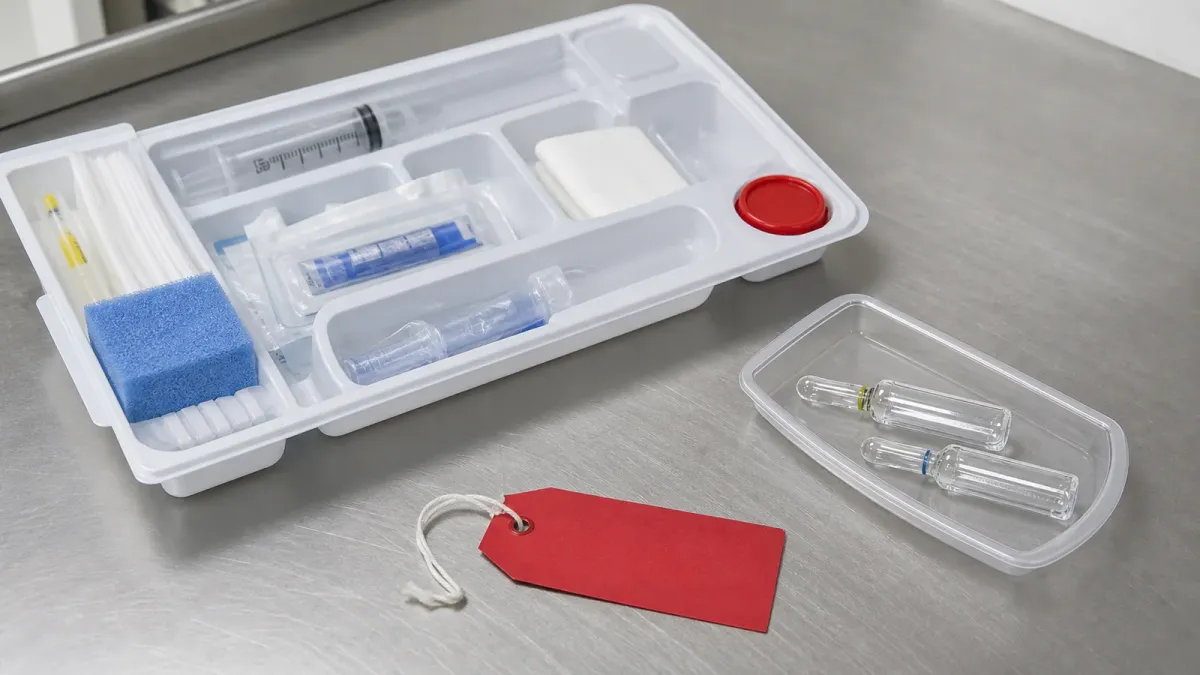
The Food and Drug Administration's July 16 medical-device recall updates put several spinal anesthesia and surgical convenience kits on a short safety checklist for hospitals, surgery centers and patients with upcoming procedures.
The updates center on kits that include Huons-made anesthetic or saline ampules. In separate notices, the FDA said B. Braun Medical is removing certain PENCAN and Spinocan spinal needle procedure kits, while Arrow International is correcting certain Arrow kits and sets that contain lidocaine, bupivacaine or 0.9% sodium chloride ampules.
What Changed
The B. Braun notice tells affected customers not to use affected product, to stop distribution, quarantine inventory and return recalled kits. The FDA says compromised injectables can create risks including infection, inflammatory response, reduced anesthetic effectiveness and, when used in the neuraxial space, possible contamination that can lead to meningitis or emergency conversion to general anesthesia.
FDA's recall database lists the B. Braun Spinocan action as open and classified, with nationwide U.S. distribution and 16,080 units in commerce. The database record was last updated July 18, 2026.
The Arrow notice is different: it is a correction rather than a full kit removal. Facilities are told not to use the affected saline, lidocaine or bupivacaine ampules in the kits, to discard those ampules at the point of use, and to obtain replacement saline and anesthetics separately through the facility pharmacy before the procedure.
Do This First
Hospitals and surgery centers should compare inventory against the FDA and company product lists, quarantine affected B. Braun kits, and make sure operating-room, anesthesia, pharmacy and supply-chain staff have the recall instructions before any spinal or regional anesthesia procedure.
Patients do not need to identify kit lot numbers on their own. If you are scheduled for spinal anesthesia, regional anesthesia or a procedure that may use a convenience kit, the practical question is simple: ask the facility whether its anesthesia kits were checked against the July 16 FDA notices and whether any recalled ampules were removed or replaced.
Why It Matters
Bupivacaine and lidocaine are used for local or regional anesthesia, so ineffective or contaminated product can affect pain control and procedure safety. The FDA says B. Braun reported 35 serious injuries and no deaths as of April 24; Arrow reported no serious injuries or deaths as of April 20.
What To Watch
The recall status can change as firms complete corrections or removals. Facilities should monitor the FDA's medical-device recall database and report adverse reactions or quality problems through MedWatch.


