
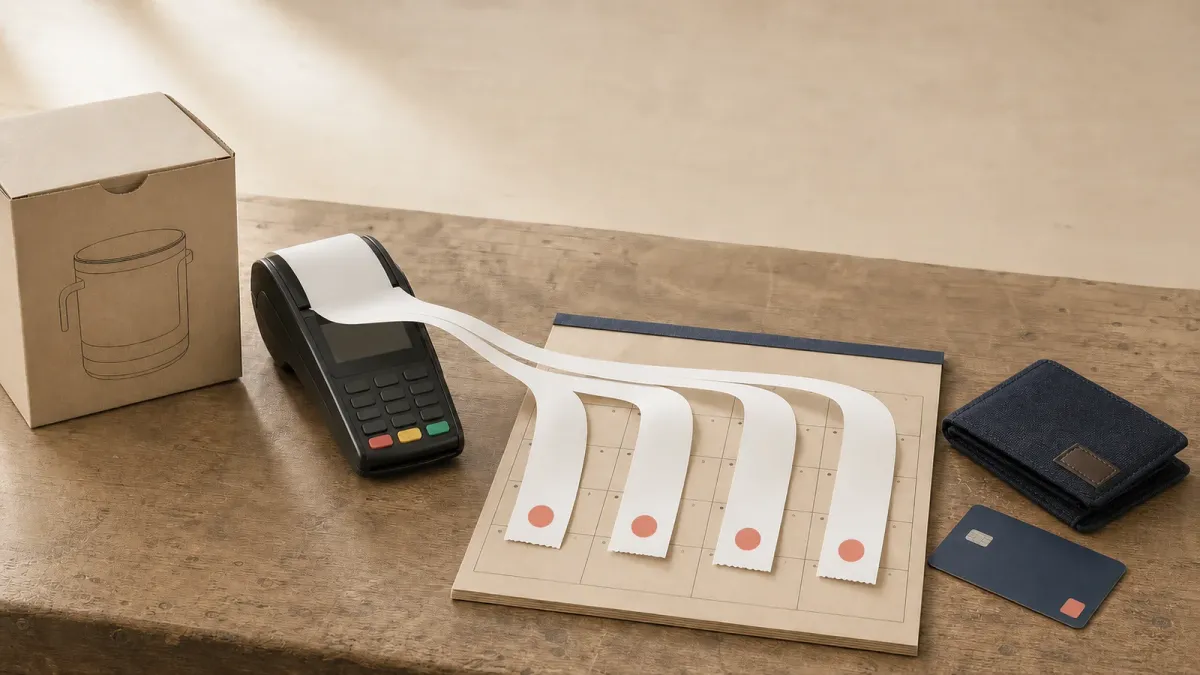
Opinion: Buy now, pay later should be regulated according to what it does, not how painless it looks at checkout. It is credit. The United States should guarantee the same basic protections whether a shopper borrows through a plastic card, a bank loan or a four-installment button beside the cart.
That principle became harder to dismiss on July 15, 2026, when the United Kingdom brought third-party buy now, pay later lending under Financial Conduct Authority oversight. The new regime requires clear upfront terms, proportionate affordability checks, support for borrowers in financial difficulty and access to the Financial Ombudsman Service. It does not ban the product. It simply stops treating interface design as a reason to exempt borrowing from ordinary safeguards.
America should take the same practical approach. Congress does not need to outlaw a useful cash-flow tool, and regulators do not need to pretend every user is in distress. They do need to recognize that a frictionless checkout can still create a legal obligation, an automatic debit and a fee when the money is not there.
The case
The first reason is scale. A Federal Reserve staff note published June 5 estimated that major providers originated nearly $160 billion in U.S. buy now, pay later credit in 2025. About half was the familiar “pay in four” model; the rest included short- and longer-term installment products. More than 60% of total issuance carried a 0% annual percentage rate. A market that large is not a niche payment novelty.
The second reason is that the risk is visible. The Federal Reserve’s 2025 household survey, released in May 2026, found that 16% of adults had used buy now, pay later in the prior 12 months. Among users, 26% had paid late. Eleven percent said a payment triggered an overdraft or nonsufficient-funds fee at their bank. Those are not abstract harms; they are the predictable result of stacking fixed debits on accounts with little margin for error.
The burden also falls unevenly. In the same survey, 40% of users with family income below $25,000 who paid through buy now, pay later said it was the only way they could afford the purchase. One in five users had financed groceries or food delivery, and 45% of that group said the product was their only way to afford the purchase. When installment credit becomes a bridge to necessities, “convenience” is too shallow a description.
The checkout screen hides what borrowers need to know
The third reason is confusion. Only 14% of buy now, pay later users in the Fed survey correctly answered both questions about how the product affected their credit history and credit score. Most either believed on-time payments helped build credit or were unsure, even though the survey noted that those payments did not affect histories or scores at the three major credit bureaus at the time.
That gap matters because the product is sold in the psychological frame of a payment choice, not a borrowing decision. “Four payments of $25” feels smaller than “a $100 debt,” although the household obligation is identical. The design emphasizes today’s installment while pushing the total balance, future due dates and collision with other automatic payments into the background.
The U.K. rules offer a useful contrast. The Financial Conduct Authority says lenders must explain payment amounts and dates, what happens after a missed payment and where a borrower can seek help. The regulator also requires proportionate affordability checks and a route to complaints and compensation. That is not paternalism. It is a minimum standard for informed consent.
The counterpoint
The strongest objection is legitimate: buy now, pay later can be cheaper and more predictable than revolving credit. A zero-interest installment plan can help a careful shopper time a necessary purchase around paydays. Heavy-handed rules could reduce access, raise costs or drive borrowers toward more expensive alternatives. Even the U.K. government described the product as useful when people can afford the repayments.
Regulation should preserve that benefit. Affordability checks should be proportionate, not a mortgage application for a pair of shoes. Disclosures should be brief enough to read. Providers should be free to compete on price and convenience. But “do not overregulate” is not an argument for leaving refund rights, billing disputes, repeat borrowing and automatic-payment risks to inconsistent contracts.
The United States briefly moved toward a clearer federal baseline when the Consumer Financial Protection Bureau issued a 2024 interpretive rule applying certain credit-card protections to some digital buy now, pay later accounts. The bureau withdrew that interpretation on May 12, 2025. A proposed Buy Now, Pay Later Protection Act was introduced in December 2025, but as of August 1, 2026, Congress.gov listed it only as referred to the House Financial Services Committee. The result is still a patchwork when the market needs a durable rule.
What to do with this
A sensible federal floor should do four things:
- Show the debt, not just the installment. Put the total amount owed, every due date, late-fee policy and payment source on one readable screen before acceptance.
- Check for foreseeable failure. Require a proportionate ability-to-repay review and a better view of simultaneous obligations across providers, while minimizing unnecessary data collection.
- Guarantee dispute and refund rights. A shopper should not have to keep paying for returned, defective or undelivered goods while a lender and merchant point at each other.
- Explain autopay and credit reporting plainly. State what happens after a failed debit, whether bank fees are possible and whether on-time or late payments are reported.

Until lawmakers act, shoppers can impose their own pause. Before accepting a plan, add every installment from every provider to the same calendar; check the bank balance expected on each date; read the return and dispute terms; and ask whether the purchase would still make sense if the full price appeared on the button. If installments are the only way to afford groceries or another recurring necessity, the problem is not the timing of the payment. It is a budget gap that another scheduled debit can deepen.
Bottom line
The policy test should be simple: if a company can debit a consumer later, it is extending credit now. The U.K. has shown that regulators can acknowledge that fact without banning a useful product. The United States should stop letting checkout design decide which borrowers receive basic protections.
This opinion column offers general consumer information, not individualized financial or legal advice.


