
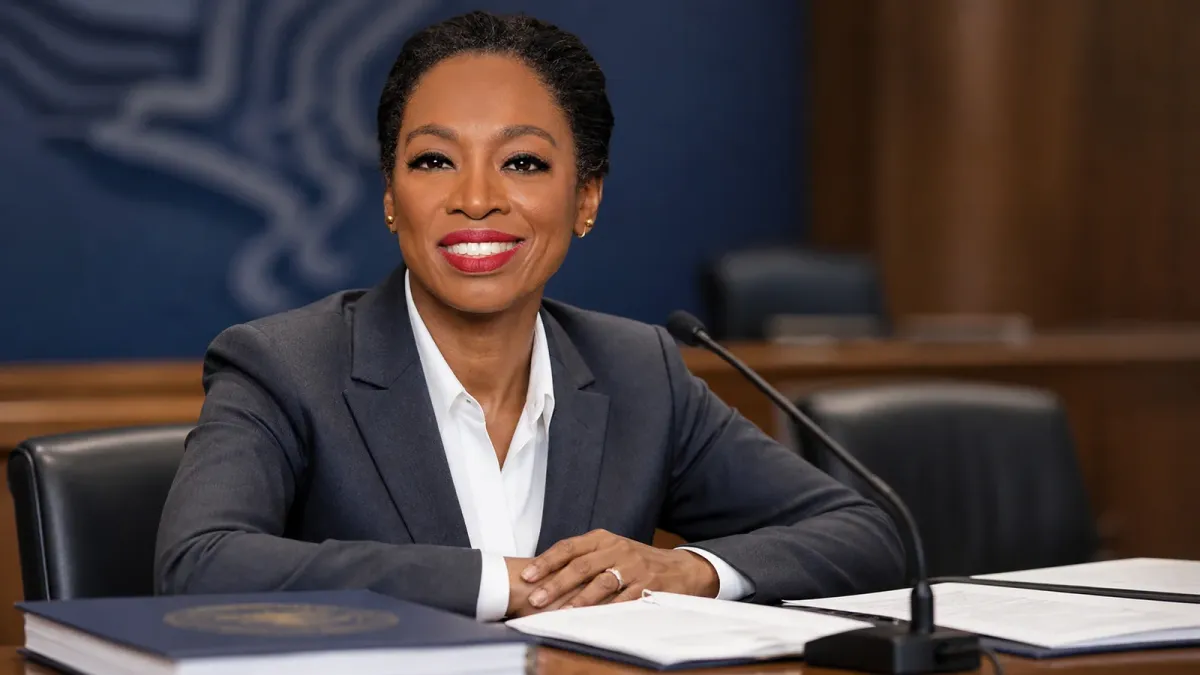
The Senate confirmed Dr. Erica Schwartz as director of the Centers for Disease Control and Prevention on Wednesday, August 5, 2026, giving the agency a permanent leader after months of turnover and political strain around U.S. public-health policy.
The vote was 51-44, according to the Senate's roll call record. Schwartz becomes the confirmed head of the CDC at a moment when the agency is being judged on outbreak tracking, vaccine guidance, staffing losses and whether its recommendations can still command public trust.
The short answer for readers: nothing changes overnight at a doctor's office, pharmacy or local health department. The first real change is accountability. A confirmed director gives senators, state health officials and the public one named person to press when CDC guidance is delayed, revised or challenged by the political leadership above it. That matters because CDC guidance often becomes the baseline for schools, employers, hospitals and travel decisions even when final rules are made elsewhere.
What changed
Schwartz was President Donald Trump's third pick to lead the CDC. The Senate HELP Committee had listed her nomination as PN932, and the Senate recorded the final confirmation vote on August 5. Senate daily proceedings said Tim Kaine of Virginia was the only Democrat voting yes, while five senators did not vote.
Her confirmation follows a turbulent leadership period. The Guardian reported that former nominee David Weldon was withdrawn before a hearing, and Susan Monarez, Trump's second pick, was removed after less than a month following a clash with Health Secretary Robert F. Kennedy Jr. over vaccine policy. AP also described the agency as trying to move past severe morale and staffing problems.
Why it matters
The CDC does not run every health decision in the country, but its guidance shapes state disease reporting, vaccination recommendations, outbreak investigations, hospital preparedness, travel health notices and the public data that doctors and local officials rely on. When leadership is unstable, the practical risk is not just political noise. It can slow decisions, make guidance harder to trust and leave states guessing about what Washington will defend.
The immediate test is vaccines. At Schwartz's confirmation hearing, senators pressed her on whether she would uphold scientific standards if Kennedy pushes changes to vaccine policy. The Guardian reported that Schwartz told senators she would not betray the science, while also avoiding a direct confrontation with Kennedy. That balance will now be tested in real agency decisions, not confirmation-room answers.
What to watch next
Watch first for who Schwartz puts in senior CDC roles, how quickly the agency communicates on current outbreaks, and whether vaccine-advisory decisions are explained with transparent evidence. Also watch Senate oversight. A narrow confirmation gives supporters a director they can defend, but it gives skeptics a clear target if guidance appears political, delayed or unsupported by public data.
For the public, the practical move is to treat CDC updates as important but not solitary. For personal medical decisions, compare federal guidance with advice from a clinician or local health department, especially when recommendations involve vaccines, outbreaks, travel or high-risk health conditions.


