
The 2026 West Nile virus season is starting earlier and stronger than usual in the United States, according to a July 1 advisory from the Centers for Disease Control and Prevention.
CDC said at least 48 human cases had been reported as of June 30, including 38 severe neuroinvasive cases. The agency said that is the highest number of infections reported by this point in the year since 2004, compared with an average of about 10 cases by the end of June.
The practical takeaway is straightforward: mosquito-bite prevention matters now, not later in the summer. CDC said West Nile virus activity has been reported in 23 states, the highest number at this point in the season in the past decade.
Where the risk stands
CDC's current-year surveillance data are preliminary and update every one to two weeks from June through December. State and local health departments may have more recent information, and reported cases can lag behind actual infections.
The Associated Press reported that many of the early confirmed cases are in Arizona, especially Maricopa County. ABC News also highlighted CDC's warning ahead of heavy holiday weekend outdoor activity, when evening gatherings can overlap with peak mosquito hours.
What to do now
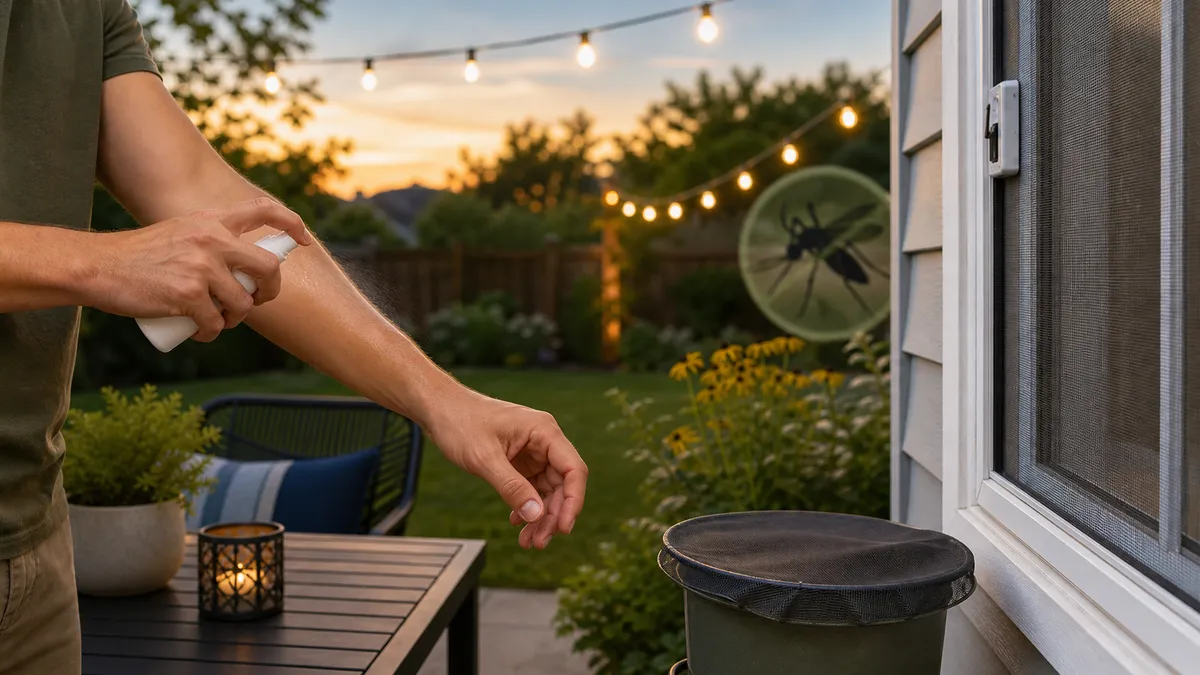
CDC recommends using an EPA-registered insect repellent, wearing long and loose-fitting shirts and pants when practical, and avoiding outdoor exposure between dusk and dawn when the mosquitoes that spread West Nile virus are most active.
At home, the agency recommends keeping mosquitoes outside with window and door screens or air conditioning, when available. Removing standing water from buckets, planters, birdbaths, clogged gutters and other containers can also reduce breeding areas around a home.
Most people infected with West Nile virus do not develop symptoms. About one in five develops fever or other symptoms such as headache, body aches, vomiting, diarrhea or rash, according to CDC. Less than 1% develops severe neurologic disease, including meningitis or encephalitis.
Older adults and people with certain underlying medical conditions face a higher risk of severe illness. Anyone with concerning symptoms after possible mosquito exposure should contact a health professional, especially if symptoms include high fever, confusion, severe headache, neck stiffness or weakness.


