
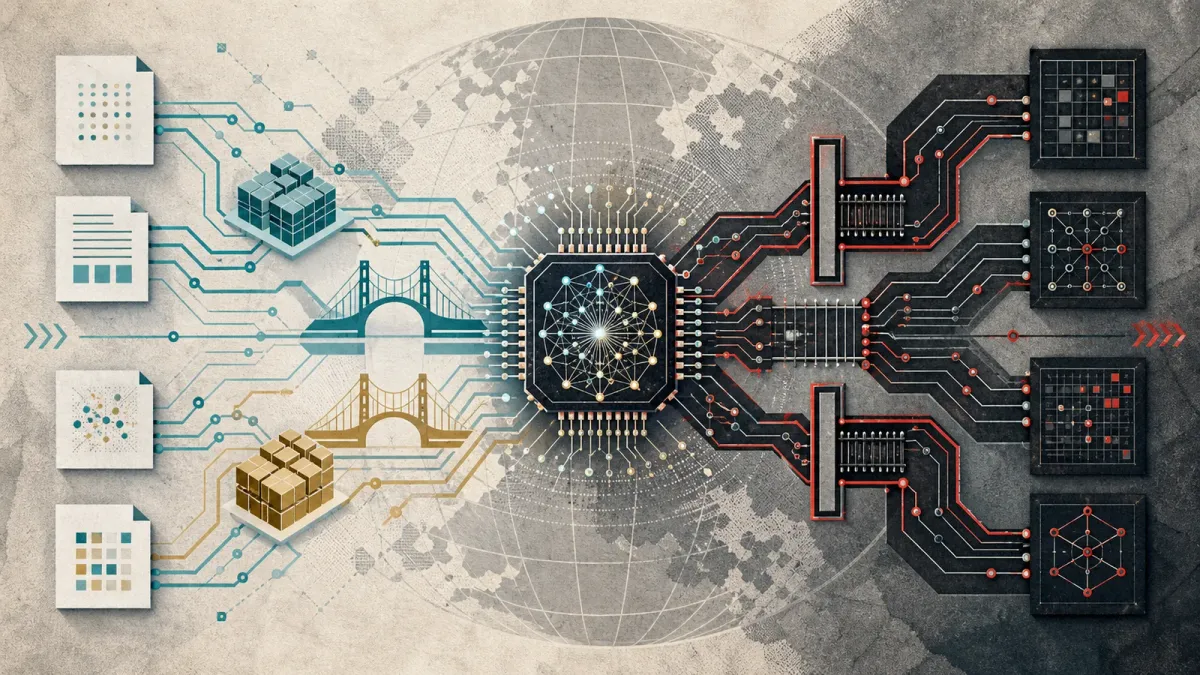
China opened the 2026 World Artificial Intelligence Conference in Shanghai on July 17 with a clear message: AI rules should not be written only by the countries that already control the most advanced chips, models and cloud platforms.
President Xi Jinping used the event to promote China as an AI partner for developing countries, according to reporting from The Associated Press and Reuters. He called for wider international cooperation, pushed back against national-security restrictions, and pledged AI training and cooperation programs aimed at the Global South.
The setting matters. The WAIC program runs July 17-20 and is built around global AI governance, with more than 1,100 companies, over 1,400 international guests and more than 140 forums listed by organizers. The conference gives China a stage for both technology showcases and diplomacy.
What changed
The speech came alongside the launch of a China-backed World Artificial Intelligence Cooperation Organization, which Reuters reported had 29 member countries. That turns AI policy into something more formal than a conference theme: a competing forum for countries that want access to AI tools without fully aligning with Washington's technology controls.
China's argument is that open-source models, training and shared standards can narrow the AI gap between wealthy countries and the rest of the world. The U.S. argument is that advanced AI systems and chip supply chains create security risks that justify tighter controls and trusted alliances.
Why it matters
For companies, developers and governments, the fight is not abstract. The rules that win out can shape which AI models are available, where data is processed, what safety checks are required and which countries get early access to advanced systems.
It also complicates the idea of one global AI rulebook. The United Nations and UNESCO have been pushing broad AI-governance talks this month, including a July 6-7 Global Dialogue in Geneva. But the Shanghai conference shows that major powers are already building rival coalitions before any universal framework is settled.
What to watch next
The practical question is whether China's new organization becomes a standards-setting body, a training-and-aid channel, or mostly a diplomatic signal. Watch for which governments formally join, whether major Chinese AI firms route products through it, and whether U.S. allies answer with their own access programs.
The headline is not just that China wants a larger role in AI. It is that AI governance is becoming part of the same strategic contest as chips, cloud infrastructure and model access.


