
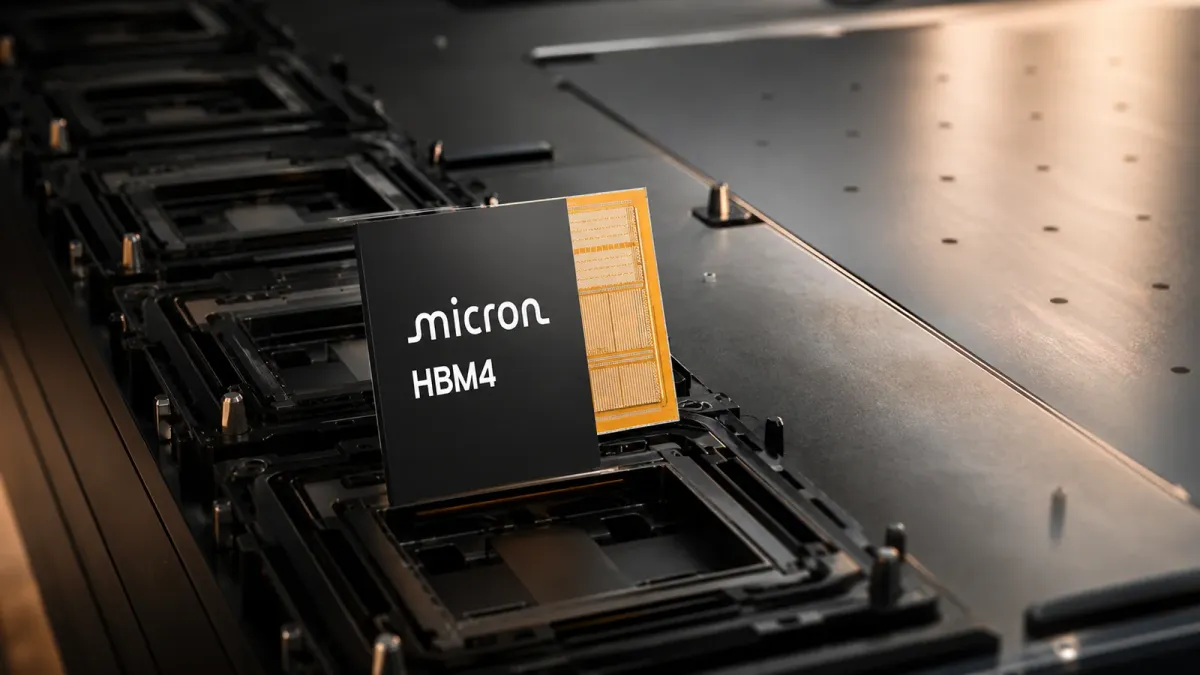
Semiconductor and data-storage shares crowded the top of the U.S. gainers list on Tuesday, July 21. At about 1:55 p.m. Eastern time, Teradyne was up 13.5%, Western Digital 12.9%, Micron Technology 12.4% and Seagate Technology 11.8%. The prices were still moving, so these are an intraday snapshot rather than closing returns.
The common thread was a forceful rebound in chips after an unusually deep retreat. Reuters reported that the Philadelphia semiconductor index had ended Friday more than 20% below its late-June record, meeting the usual threshold for a bear-market decline. Tuesday’s move looked less like one new announcement from every winner and more like investors rapidly buying back exposure ahead of major technology earnings.
The numbers
The largest gains on the screen fell into three groups:
- Memory, storage and test: Teradyne rose about 13.5%, Western Digital 12.9%, Micron 12.4% and Seagate 11.8%.
- Other chip and AI-linked names: Intel gained about 8.2%, Applied Materials 7.9%, AMD 7.8% and Super Micro Computer 6.3%.
- Earnings and other movers: Hasbro added about 8.7%, 3M 7.3%, Corning 6.4% and Freeport-McMoRan 6.1%.
The concentration matters. When several companies from the same industry jump together, the first explanation to test is a sector move, not twelve separate pieces of company news. That was especially true for the chip, memory and storage names. Micron’s high-bandwidth memory products sit directly in the AI data-center buildout, while Western Digital and Seagate supply storage and Teradyne sells automated test equipment. That business exposure explains why the group often trades together; it does not prove that one day’s bounce has settled the debate over AI spending or valuations.
Hasbro and 3M had company-specific fuel
Hasbro’s gain had a clearer catalyst. The company said second-quarter revenue rose 16% from a year earlier, with Wizards and Digital Gaming up 27% and Magic: The Gathering revenue up 32%. In its official earnings release, Hasbro raised its full-year constant-currency revenue-growth outlook to 5% to 7% from 3% to 5% and increased its adjusted operating-margin range to 25% to 26%.
3M also raised its outlook after reporting adjusted second-quarter earnings of $2.40 a share, up 11% from a year earlier, and adjusted organic sales growth of 5.4%. The company’s results lifted its 2026 adjusted earnings forecast to $8.80 to $8.95 a share from $8.50 to $8.70.
The caveat
Corning, Super Micro and Freeport-McMoRan rounded out the large-gainer list, but a shared screen does not guarantee a shared catalyst. Corning and Super Micro have exposure to data-center investment, while Freeport is primarily a copper producer. Their moves should be evaluated against company news, commodity prices and the broader market separately rather than folded automatically into the chip-rebound story.
The next test comes quickly. Alphabet reports Wednesday, and Intel is scheduled to report Thursday. Those results could either support the view that the AI infrastructure cycle remains strong or revive the valuation and spending concerns that drove the recent selloff. For investors, the useful lesson is to separate a marketwide rebound from earnings-backed changes in a company’s outlook. This article is general market education, not personalized investment advice.


