
A new JAMA research letter published online July 20 estimates that nearly one-third of U.S. adults ages 30 to 79 would be above their LDL cholesterol goals under the 2026 dyslipidemia guideline. The finding matters because the updated targets are not just numbers for specialists; they can change what patients should ask during an annual physical, follow-up visit, or cardiology appointment.
The analysis used 2021-2023 National Health and Nutrition Examination Survey data from 2,313 adults, representing about 177.7 million people. A medical-news summary of the study reported that 32.2% of adults were above the guideline goals, with the gap widening sharply among people at higher cardiovascular risk.
The new ACC/AHA multisociety guideline, issued March 13, brought back specific LDL-C goals and uses the PREVENT risk equations for many adults without known atherosclerotic cardiovascular disease. The American College of Cardiology says the LDL-C goal is below 100 mg/dL for borderline or intermediate risk, below 70 mg/dL for high risk, and below 55 mg/dL for very high-risk people with established ASCVD.
The short answer
If your LDL result was once described as only mildly high, the next question is whether your risk category has changed. Age, blood pressure, diabetes, kidney disease, smoking, family history, pregnancy-related risk markers, inflammatory conditions, ancestry, coronary artery calcium, lipoprotein(a), and apolipoprotein B can all affect the treatment conversation.
That makes the practical move simple: compare the number on your lab report with the risk category your clinician assigns, not with a generic desirable range printed beside the result. The target may be different for prevention, known heart disease, or very high risk.
What to check
First, ask which risk calculator your clinician is using and whether the 2026 PREVENT-based guidance applies to you. The ACC says PREVENT is intended for adults ages 30 to 79 without known ASCVD or subclinical atherosclerosis and with LDL-C from 70 to 189 mg/dL, helping estimate 10-year and 30-year risk.
Second, do not treat one cholesterol number as the whole decision. The guideline emphasizes lifestyle habits, risk enhancers, and additional testing when the decision is uncertain. That can include a selective coronary artery calcium scan for some borderline or intermediate-risk adults, as well as at-least-once lipoprotein(a) testing in adulthood.
Third, ask what the next step is if lifestyle changes and a statin do not bring LDL-C to goal. The guideline describes options such as ezetimibe, bempedoic acid, and PCSK9 monoclonal antibodies for selected patients, depending on risk, tolerability, and clinician judgment.
What not to assume
The study does not mean everyone above a target should start or change medication immediately. It also relied on survey data and self-reported medication and disease history, which are important limitations. But it does mean more adults may need a precise answer to a simple question: What is my LDL goal, and why?
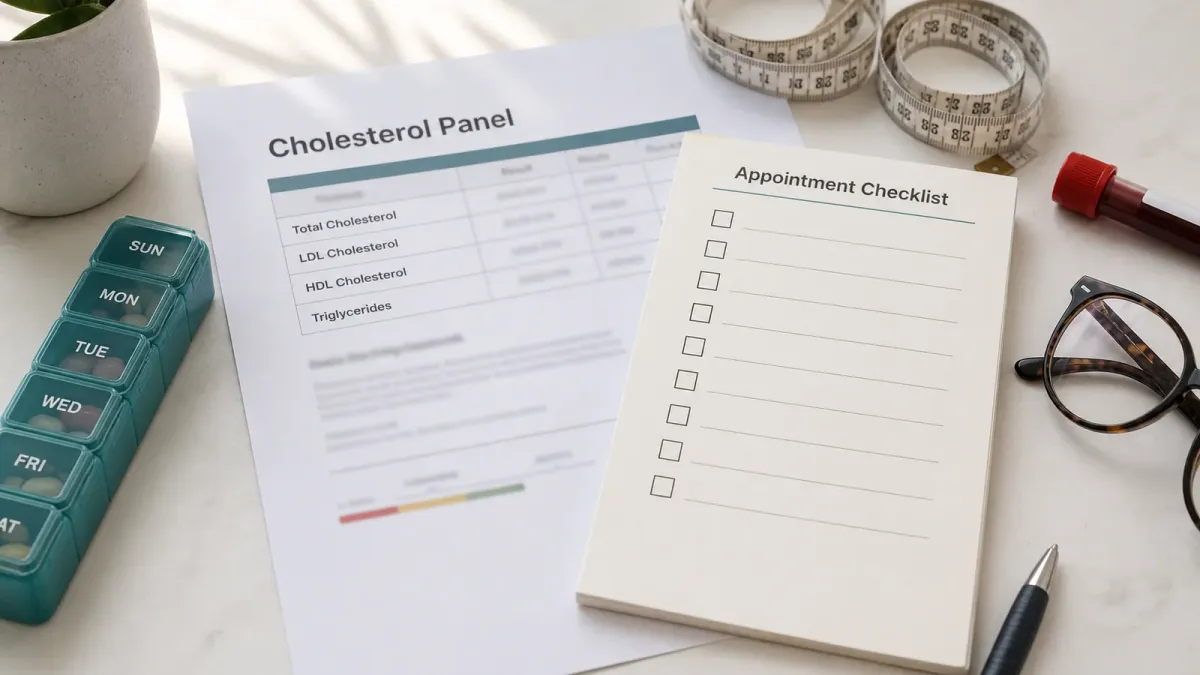
Bring your latest lipid panel, medication list, family history, and any prior heart scan or vascular diagnosis to the visit. The useful outcome is not panic over a lab value; it is a clear plan for whether to monitor, intensify lifestyle changes, start treatment, or adjust therapy with a qualified clinician.


