

The short answer: Americans are not done changing clocks yet. The House passed the Sunshine Protection Act on July 14, 2026, but a related Senate bill is still sitting in committee, so the current schedule remains in force unless the Senate passes a bill and the president signs it.
The practical question is not only whether to stop the twice-a-year clock change. It is which fixed time the country would choose. The House-passed approach would keep most of the United States on daylight saving time year-round, giving many places later winter sunsets while also pushing winter sunrise an hour later.
That tradeoff is why the topic keeps coming back. Google Trends showed active U.S. searches for Donald Trump and daylight saving time on August 1, and Threads posts from national and local news accounts were again asking readers what would happen next. The bill has broad appeal because clock changes are unpopular, but the permanent-daylight version is more complicated than simply stopping a nuisance.
What changed
The official House Clerk recorded H.R. 139 passing 308-117 on July 14, with support from 193 Republicans, 114 Democrats, and one independent. The bill would make daylight saving time the new permanent standard time, while letting areas already exempt from daylight saving time, such as most of Arizona and Hawaii, stay on standard time.
Congress.gov lists the companion Senate bill, S. 29, as referred to the Senate Commerce, Science, and Transportation Committee. That means the House vote was a major step, but not the final step. Under current law, most U.S. clocks are still scheduled to move back one hour on Sunday, November 1, 2026, at 2 a.m. local time.
What permanent daylight saving time would feel like
Permanent daylight saving time would not create more daylight. It would move the clock so daylight lands later in the day. For many workers, parents, restaurants, youth sports leagues, and shoppers, the appeal is obvious: more evening light during the months when darkness arrives early.
The cost is the morning. In winter, the sun would rise about an hour later by the clock than it does under standard time. The effect would be mild in some southern and eastern locations, but sharper in northern states and the western edges of time zones, where sunrise is already late. That is the scenario opponents point to when they warn about children waiting for school buses, commuters starting in the dark, and people trying to wake up before daylight.
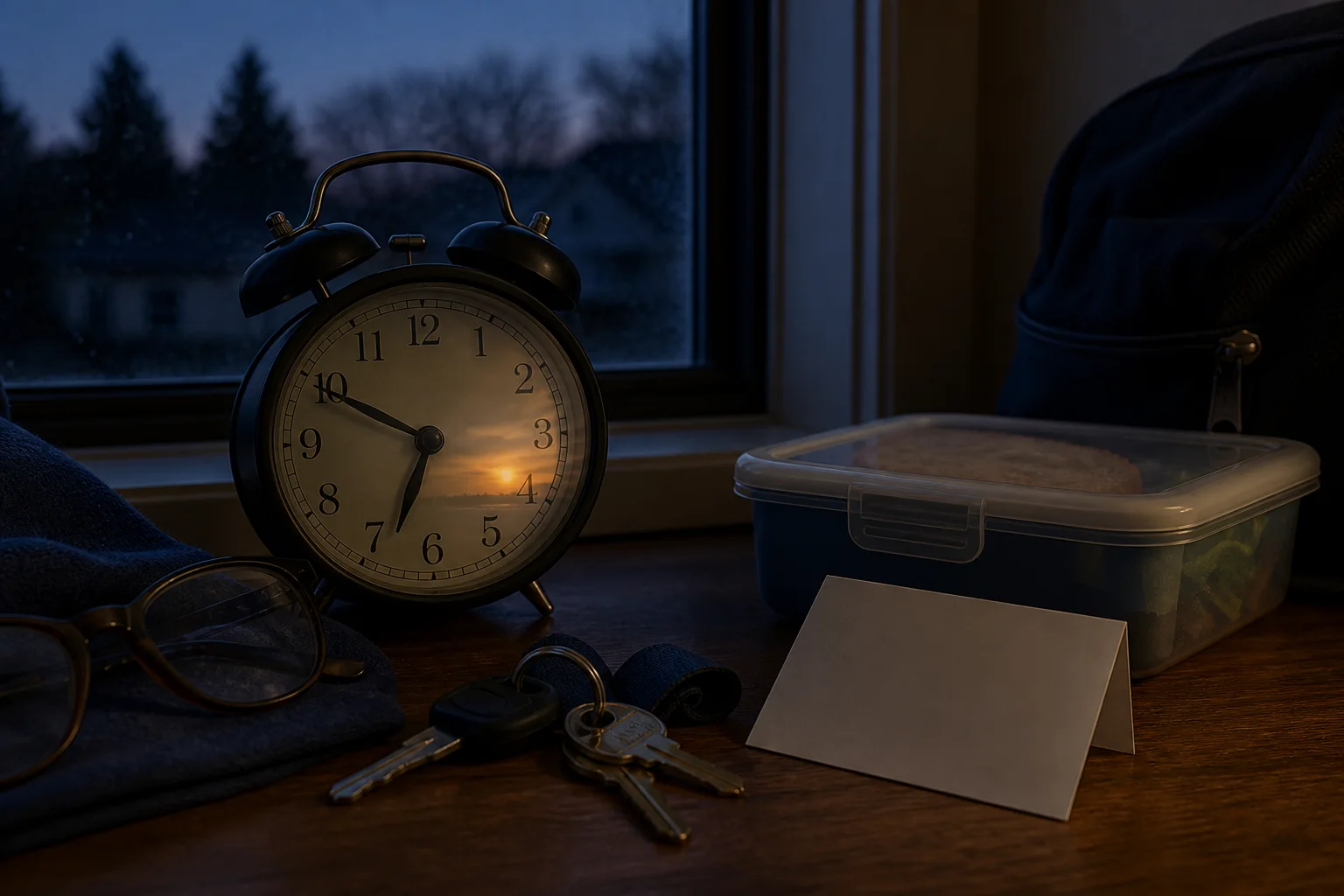
America has tried this before. Congress approved a permanent daylight saving time experiment in the 1970s, during the energy crisis, but the trial was cut short after public backlash over dark winter mornings. Supporters argue work schedules, school calendars, remote work, and daily routines are different now. Critics answer that biology has not changed as quickly as office culture.
Why sleep experts are skeptical
The American Academy of Sleep Medicine supports ending seasonal clock changes, but it favors permanent standard time instead of permanent daylight saving time. The argument is that morning light helps anchor the body clock, while later evening light can make it harder for some people to wind down and sleep on schedule.
That does not mean every person would feel the same effect. A shift worker, a parent with early school drop-off, a retiree, a restaurant owner, and a teenager may value the hour differently. The useful way to think about the bill is not as a universal upgrade or downgrade, but as a trade: later winter evenings in exchange for darker winter mornings.
What to check now
First, check whether the Senate actually schedules action. A House-passed bill does not change your clocks by itself, and past daylight saving bills have stalled after early momentum.
Second, separate two questions that often get mixed together: whether the country should stop changing clocks, and whether the fixed time should be daylight time or standard time. Many people agree on the first question and split on the second.
Third, think locally. The same national rule can feel different in Boston, Miami, Detroit, Dallas, Seattle, and western South Dakota because sunrise and sunset already vary by latitude and position inside a time zone.
For now, the next scheduled clock change is still November 1, 2026. If Congress changes that, the most important detail for daily life will be less about the politics of the bill and more about your winter morning: school, commuting, sleep, child care, exercise, and how much darkness your routine can absorb.


