
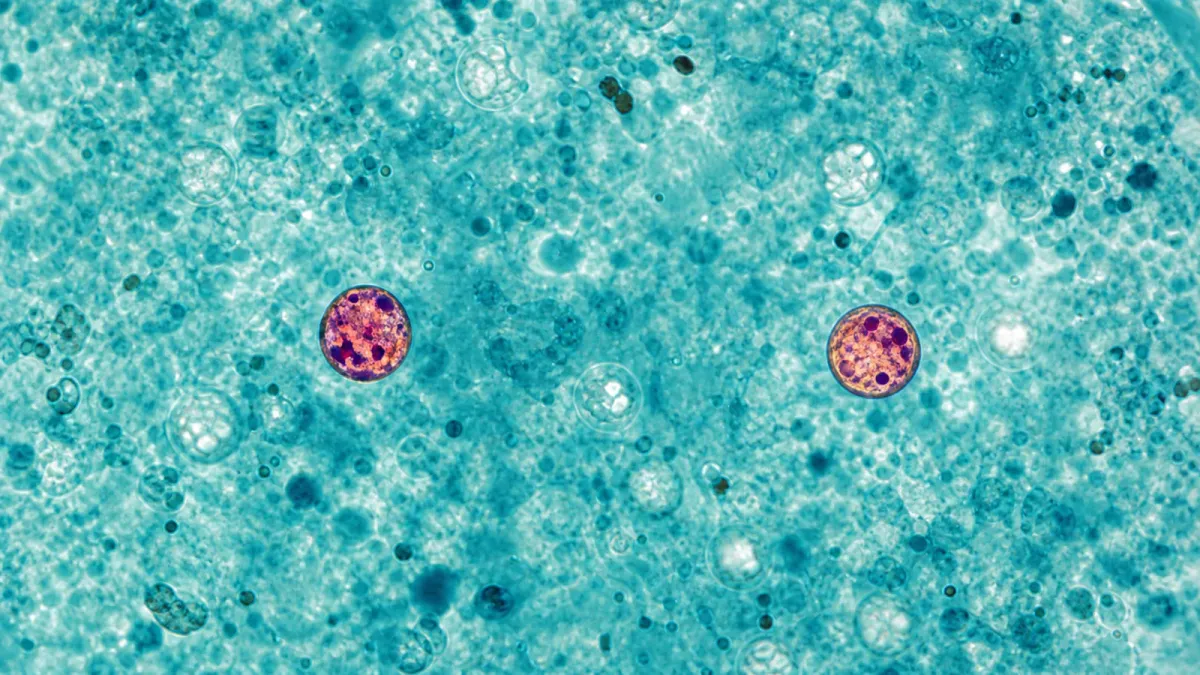
Michigan has reported two deaths connected to its rapidly expanding Cyclospora outbreak, the first known deaths in the United States during the 2026 surge. The state said Monday, August 3, that it has recorded 11,234 cases and 193 hospitalizations.
Medical records showed that both people had significant underlying health conditions that may have been affected by cyclosporiasis and dehydration, according to the Michigan Department of Health and Human Services. Officials released no identifying details. The CDC says the illness is generally not life-threatening, but it can make some people very sick.
What changed
The deaths are a material shift in an outbreak that Michigan first announced in late June. They do not mean the parasite alone caused each death: the state described the cases as deaths identified as part of the outbreak and specifically noted the possible role of underlying conditions and dehydration.
The federal count tells a different part of the same story. As of July 27, the CDC had received reports of 6,707 laboratory-confirmed, domestically acquired cases across 45 states, including 423 hospitalizations. It was also aware of more than 11,500 additional cases that were not laboratory-confirmed or still needed investigation, many from Michigan and Ohio.
The CDC page still listed zero deaths because that update predates Michigan's August 3 announcement. Federal officials say their totals can lag state data and exclude probable cases, so the numbers should not be added together.
Who faces the greatest risk
Cyclospora infects the small intestine and most often causes watery diarrhea. Other symptoms can include appetite loss, weight loss, cramps, bloating, gas, nausea and fatigue. Illness usually begins about a week after exposure but can appear from two days to two weeks or more afterward. Without treatment, symptoms can last more than a month or disappear and return.
People in poor health or with weakened immune systems face a higher risk of severe or prolonged illness. The Michigan deaths also put renewed attention on dehydration, especially for people already managing serious medical conditions.
Anyone with ongoing watery diarrhea should contact a health care provider and mention possible Cyclospora exposure. The CDC says diagnosis requires a stool sample and may need a specific Cyclospora test because routine testing can miss the parasite. Treatment commonly uses the prescription antibiotic trimethoprim-sulfamethoxazole, while rest and fluids are also important. Patients with sulfa allergies should ask a clinician about alternatives rather than self-treating.
What investigators still do not know
Federal agencies are investigating multiple clusters rather than treating every 2026 case as one proven outbreak. One multistate cluster in nine states has been linked to iceberg lettuce, but the CDC says other brands, restaurants, retailers or distribution channels may be involved. Michigan's full case total should not be treated as proof that every illness came from the same product.
What happens next
The CDC is publishing weekly surveillance updates and expects totals to keep rising because it estimates a roughly six-week lag between illness onset and federal reporting. The immediate questions are whether Michigan identifies additional deaths, whether hospitalizations continue to climb and whether investigators can connect more cases to specific food sources.


