
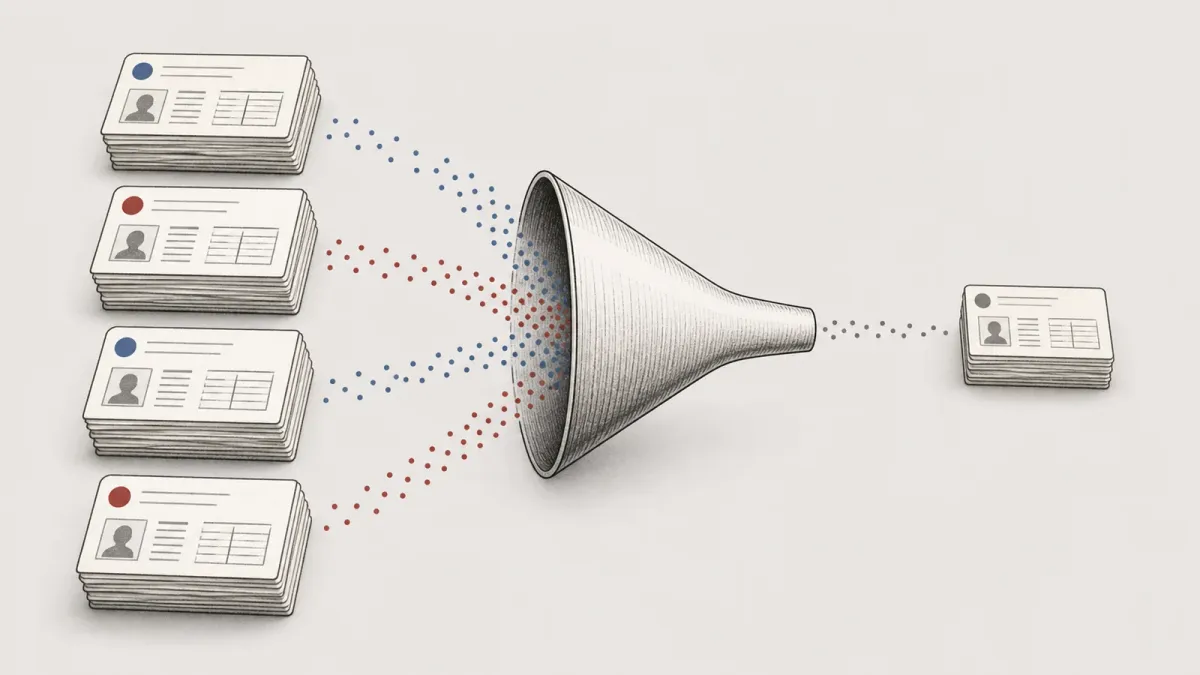
The Trump administration's latest election-security push has created a fast-moving public dispute over voter rolls, citizenship checks and what federal officials have actually proved.
On July 17, 2026, the Department of Homeland Security said Secretary Markwayne Mullin had sent letters to election officials in California, New Jersey, Nevada and Pennsylvania warning about possible noncitizens on voter rolls. The letters followed President Donald Trump's July 16 primetime address, where he promoted newly released election documents and urged Congress to pass the SAVE America Act.
The useful distinction for readers is simple: the administration has made a large allegation about voter-registration records, but public reporting so far does not show that the names are verified noncitizens, that the people voted, or that any election result was affected.
What DHS says it found
DHS said preliminary reviews suggested there may be as many as 190,832 noncitizens registered to vote in California, 35,152 in New Jersey, 15,903 in Nevada and 14,576 in Pennsylvania. The agency said the four states had not complied with administration demands to provide voter data to the federal government.
Mullin and Trump framed the numbers as evidence for stricter federal election rules. The White House's election-integrity page says the administration released documents related to voting-system vulnerabilities, Chinese access to voter data, a Michigan voter-registration investigation and noncitizens on state voter rolls. The White House is also promoting the SAVE America Act, which would require documentary proof of citizenship for voter registration in federal elections and restrict most mail-in voting.
What has not been shown
The biggest gap is not whether noncitizen voting is illegal. It is. The gap is whether the administration's numbers identify confirmed ineligible voters and whether any of them cast ballots.
AP reviewed the documents released with Trump's address and reported that they did not prove mass voter fraud or foreign manipulation of vote totals. AP also reported that the voter-roll material did not include an allegation that the listed people voted, and that the data had not been verified.
CBS News and PolitiFact reached a similar caution point. The 250,000-plus figure is large enough to drive attention, but the administration has not publicly explained enough about the matching process for voters, states, journalists or outside experts to test it. PolitiFact noted that voter-list matching can produce false positives when databases have outdated citizenship information, missing personal identifiers or records for naturalized citizens who were once noncitizens.
Why the number may change
Initial voter-roll sweeps often shrink after human review. A person can be incorrectly flagged because of a changed name, stale driver's license data, old immigration records, clerical errors or a mismatch between state and federal databases. Some cities also allow noncitizens to vote in limited local elections, a separate issue from state and federal races.
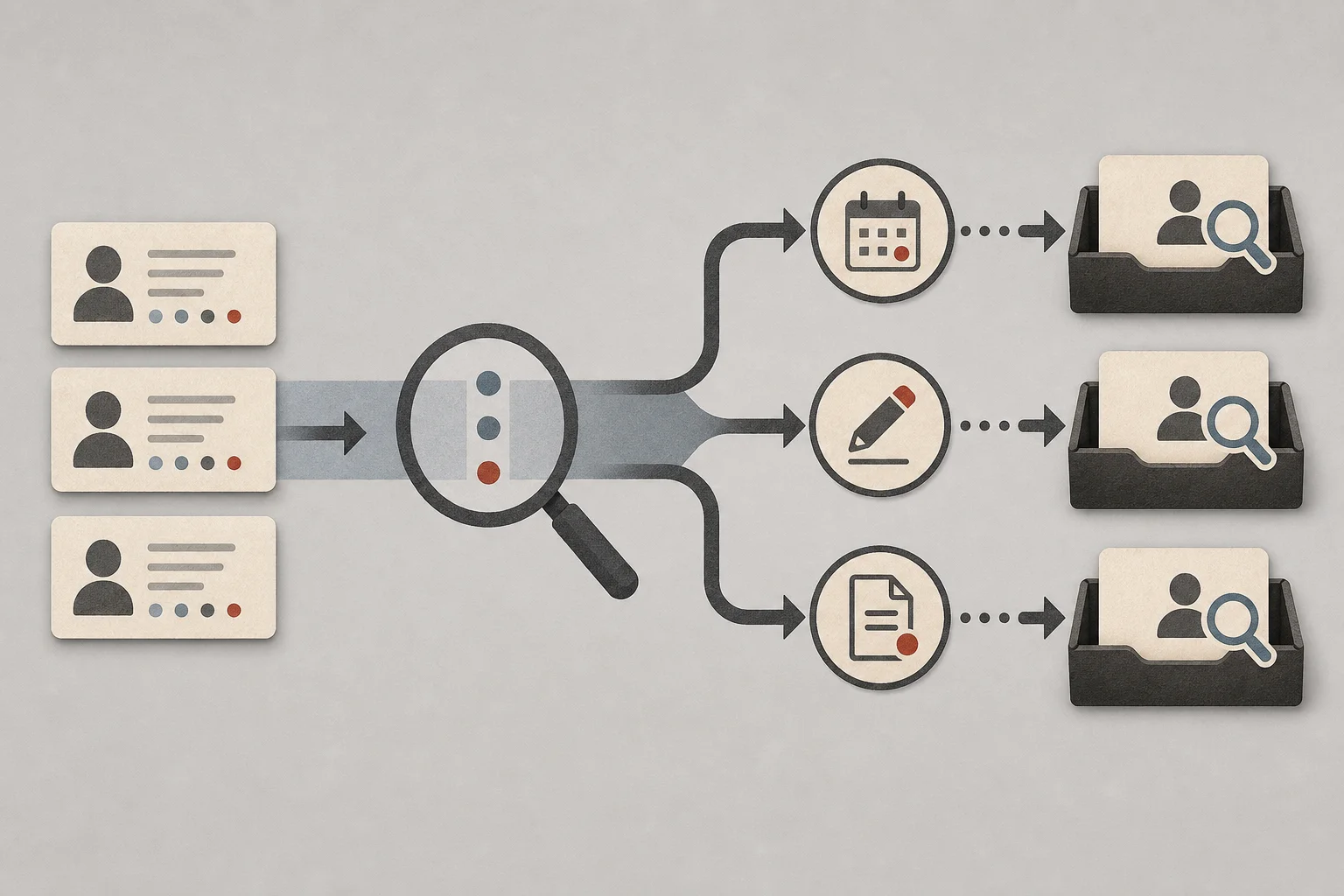
That does not mean every flag is wrong. States do periodically find ineligible registrations, and election officials can remove voters after following state and federal procedures. But the hard news question is whether a preliminary match is being treated as proof before the record is checked.
How states are responding
State officials pushed back quickly. Nevada Secretary of State Francisco Aguilar called the numbers speculative and said DHS had not shared evidence backing them. Pennsylvania Secretary of State Al Schmidt, a Republican, said Pennsylvania's rolls are maintained and updated, while also saying the state would review any information DHS provides.
Those responses matter because elections are run by states and localities. Federal agencies can share information, investigate federal crimes and sue in court, but voter removals normally require process. That includes notice, verification and protections against removing eligible citizens too close to an election.
What happens next
The next test is documentation. If DHS gives states underlying records, election offices can compare names, dates of birth, addresses, citizenship records and voting histories. If DHS does not provide enough detail, the dispute is likely to stay in the political arena rather than become a verifiable list of illegal registrations.
The other test is Congress. The SAVE America Act is central to the White House push, but it faces major resistance because proof-of-citizenship requirements can affect eligible voters who do not have passports, birth certificates or updated documents readily available.
For now, readers should treat three claims separately. DHS has said it found possible noncitizen registrations in four states. That is not the same as proving those people are noncitizens today. And it is not the same as proving they voted.


