
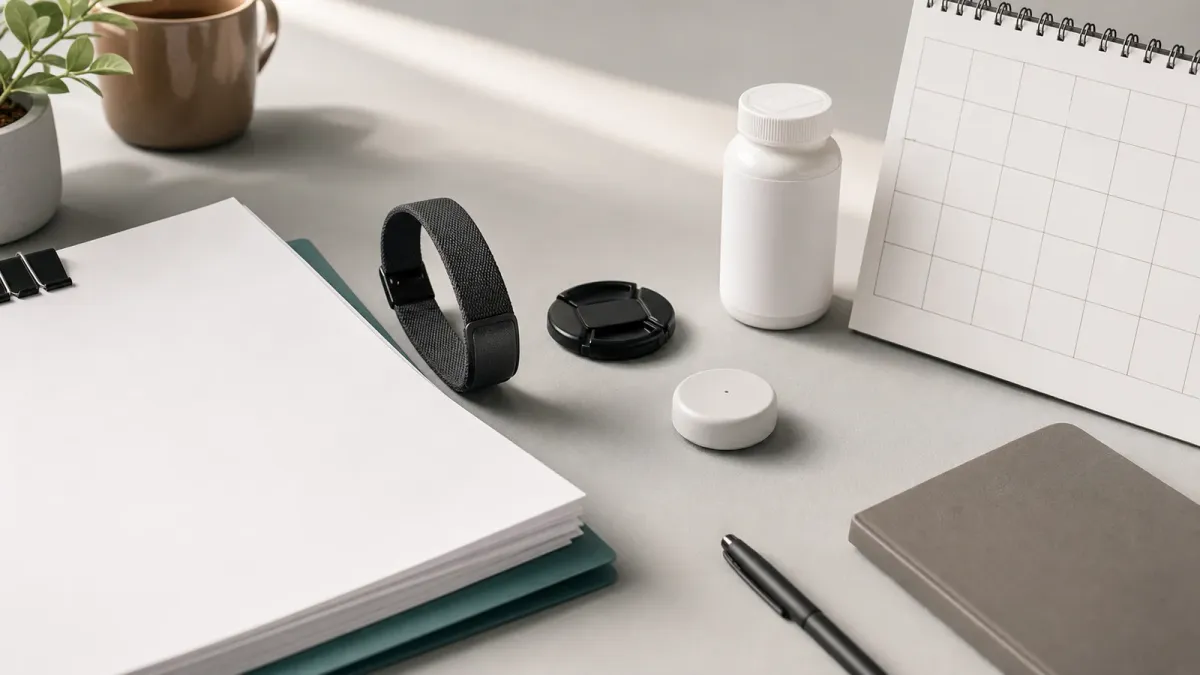
The FDA has opened a short funding window for digital health technology projects that could change how drug and biologic trials collect evidence from patients outside traditional clinic visits.
The opportunity, RFA-FD-26-012, is open from July 20, 2026, through August 20, 2026. FDA says selected applicants can study tools such as actigraphy, photography and contactless sensors for remote data acquisition in clinical investigations.
The practical point is simple: applicants should not pitch a gadget first. They should show how the technology can produce trial evidence that is measurable, clinically meaningful and useful for regulatory review. That matters most when the measurement could influence an endpoint, study burden or remote follow-up plan.
The short answer
This is a research funding opportunity, not a product clearance pathway. FDA is looking for projects that test how digital health technologies can support drug development, especially where remote measurements may capture patient outcomes more frequently or more conveniently than site visits.
The agency's digital health page says projects may involve researchers from academia, biopharmaceutical companies, patient groups and other stakeholders. The Simpler.Grants.gov listing identifies eligible applicant groups across government, business, education and nonprofit categories, and lists two expected awards with an award maximum of $1.1 million.
What applicants should check first
Start with the clinical question. FDA's examples point to comparing digital measurements with traditional trial measurements, evaluating novel endpoints, measuring continuous activity or stamina, and capturing early manifestations of chronic disease, such as non-memory signs of dementia.
Then check whether the technology fits the trial problem. A wearable activity sensor, a photo-based assessment or a contactless room sensor may be useful only if the project can explain what the data measures, how it will be validated and why it improves evidence for patients with unmet needs.
Applicants should also watch the deadline mechanics. The opportunity closes August 20, 2026, and the public listing points applicants back to Grants.gov for applying, tracking status and subscribing to updates. That leaves little room for a vague concept note that still needs partners, data standards or outcome definitions.
Why it matters
Remote data collection is not just a convenience feature. If it works, it can reduce some burdens of trial participation, capture symptoms or functions between visits and make certain studies more realistic for patients who cannot easily travel to research sites.
The caveat is that more data is not automatically better evidence. Continuous measurements can be noisy, devices can behave differently across settings, and regulators still need confidence that a digital endpoint means something clinically important.
What to watch next
FDA is also hosting a free virtual workshop on August 27, 2026, about statistical considerations for digitally derived endpoints in trials. That workshop may help applicants and sponsors understand how the agency is thinking about data quality, standards and analysis methods after this funding window closes.
For now, the strongest applications will likely read less like app demos and more like evidence plans: the patient population, the measurement, the comparator, the validation question and the regulatory use case should all be clear before the application goes in.


