
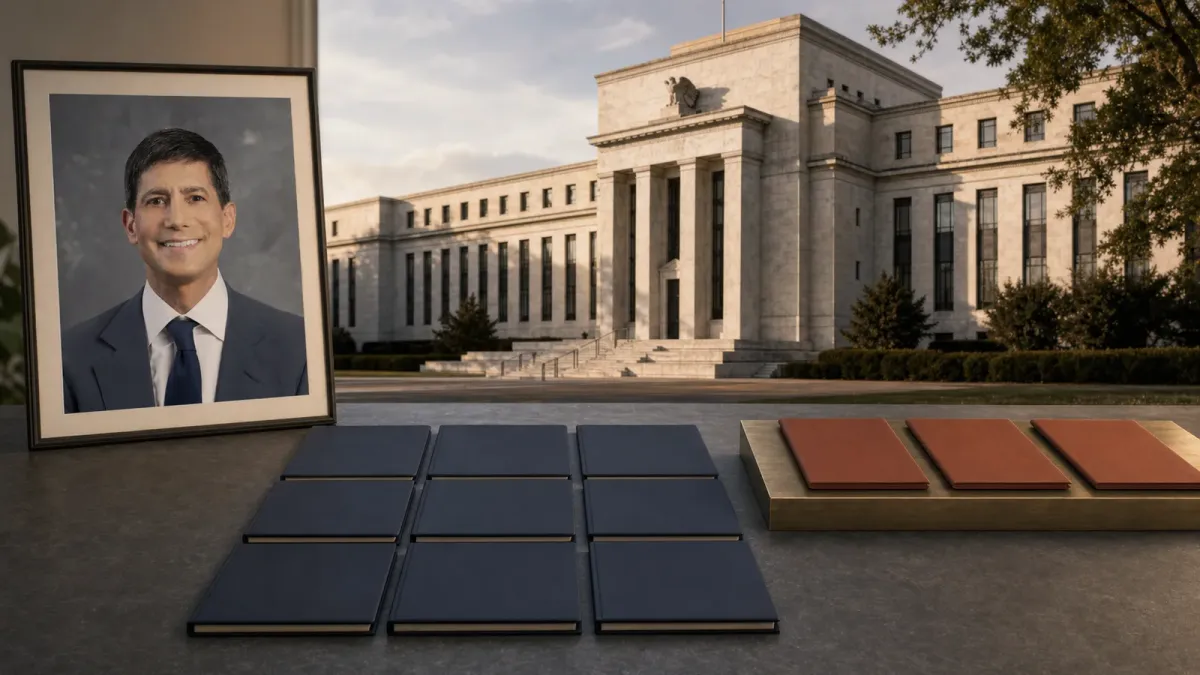
The Federal Reserve held its benchmark interest-rate range at 3.50% to 3.75% on Wednesday, July 29, but three policymakers voted to raise it by a quarter point. The 9-3 decision kept borrowing costs unchanged for now while revealing a much stronger push to act against inflation.
The short answer: Rates did not rise today. The surprise was the vote: Cleveland Fed President Beth Hammack, Minneapolis Fed President Neel Kashkari and Dallas Fed President Lorie Logan all preferred an immediate increase to 3.75% to 4.00%.
The disagreement matters because the Fed's June decision was unanimous. Wednesday's dissents turn the next meeting, scheduled for Sept. 15-16, into a live decision and put more weight on Chair Kevin Warsh's explanation of what would trigger a hike.
What the Fed decided
The Federal Open Market Committee said it would maintain the federal-funds target at 3.50% to 3.75% and continue operating with ample reserves in the banking system. The companion implementation note kept the interest rate paid on reserve balances at 3.65% and the primary credit rate at 3.75%.
The committee described economic activity as expanding at a solid pace despite uncertainty related in part to the conflict in the Middle East. It said productivity growth and capital investment were strong, job gains had kept pace with growth in the workforce, and the unemployment rate had changed little.
Inflation was the dividing line. The statement said it remained elevated relative to the Fed's 2% goal, partly because supply shocks had raised prices in sectors including energy. The committee ended that section with a blunt promise: it “will deliver price stability.”
Why the three dissents matter
Hammack, Kashkari and Logan did not merely object to the wording of the statement. Each voted for an actual quarter-point increase at this meeting. That is a stronger signal than the April meeting, when the same three officials supported holding the rate but opposed language they viewed as leaning toward future easing.
The 9-3 split shows that a sizable minority believes waiting carries its own risk. If higher energy costs, tariffs or other supply pressures keep inflation above target, those officials may argue that leaving rates unchanged allows price expectations to drift higher.
The majority chose not to move before important new data. The Commerce Department is scheduled to publish its first estimate of second-quarter economic growth and the June personal consumption expenditures price index on Thursday. The PCE index is the Fed's preferred inflation measure.
What the hold means for borrowers and savers
A hold means the Fed did not directly add another quarter point to short-term borrowing benchmarks. Credit-card rates, home-equity lines and some business loans that track short-term rates are therefore unlikely to move solely because of Wednesday's decision.
That does not guarantee lower financing costs. Banks set their own terms, and expectations of a September hike can influence market rates before the Fed acts. Consumers considering a loan should compare the actual annual percentage rate, fees and repayment terms instead of assuming a policy hold makes every form of credit cheaper.
Fixed mortgage rates do not move in lockstep with the federal-funds rate. They are more closely influenced by longer-term Treasury yields, inflation expectations and investor demand. A divided Fed that appears prepared to raise rates can keep upward pressure on those longer-term borrowing costs even without an immediate hike.
Savers may continue to find relatively firm yields on some high-yield savings accounts and certificates of deposit if banks expect policy to stay restrictive. Deposit rates can still change independently and may vary widely by institution. This article is general information, not individualized financial advice.
What happens next
Warsh's press conference is the first test of how the majority explains the decision. Investors will listen for whether the Fed is waiting only for Thursday's data, whether the three dissenters are close to gaining more support, and whether the chair sees the September meeting as an open choice.
The next major evidence arrives quickly: second-quarter GDP and June PCE inflation are due Thursday, followed by additional labor and inflation reports before the September meeting. A hotter run of prices or continued strength in hiring could strengthen the case for a hike; softer data could support another hold.
Bottom line: The Fed kept rates steady on July 29, but the decision was not a comfortable pause. Three votes for an immediate hike shifted the question from whether officials are worried about inflation to how soon that concern becomes a majority.


