
Search interest around a July 19, 2026 international flight that returned to Rome after a reported mechanical concern is a useful reminder: a diversion or return can feel chaotic, but it is not the moment to guess at causes or argue over compensation. Treat it as a practical travel problem first.
The cabin priority is simple. Follow crew instructions, keep your seat belt fastened when seated, and wait for official information from the airline or airport. The Federal Aviation Administration tells passengers to pay attention to the safety briefing and wear the belt low and tight during critical phases and turbulence.
Do this first
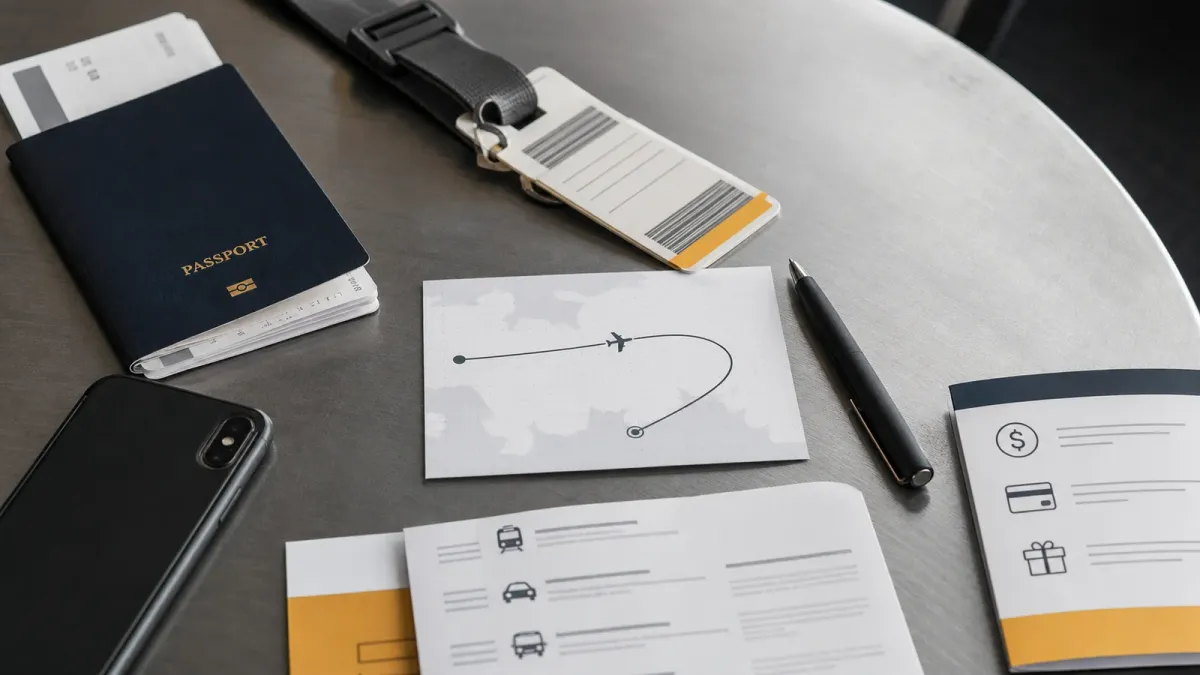
Save the basics before details disappear: flight number, original route, new airport, actual landing time, screenshots from the airline app, boarding passes, bag tags and any written announcement about why the flight changed. If an agent offers a hotel, meal voucher or ground transport, screenshot that too.
Ask for the next confirmed transportation in plain terms: same airline, partner airline, next-day departure, ground transport, or a refund if you decide not to continue. If you are on separate tickets, tell the agent; the airline handling the disrupted flight may not protect a self-booked connection on another itinerary.
Check these details
For flights to, from or within the United States, the Department of Transportation says passengers are entitled to a refund when an airline cancels or makes a significant delay or change and the passenger rejects the alternative transportation, credit, voucher or other compensation offered. That is different from automatic cash compensation for inconvenience, which U.S. rules generally do not require for ordinary delays or cancellations.
The DOT also keeps an Airline Customer Service Dashboard showing what major U.S. carriers say they will provide during controllable cancellations or significant delays, including same-airline rebooking, partner-airline rebooking, meals and hotels. Mechanical problems may be treated differently from weather, air traffic control or other causes outside an airline's control, so ask the agent how the airline classified the disruption.
If your checked bag is not where you are, file a baggage report before leaving the airport and keep receipts for essentials. International trips may also trigger rights under local rules, such as European passenger protections, but the exact answer depends on where the flight departed, the carrier and the cause of the disruption.
Common mistakes
Do not cancel the trip in the app before speaking with the airline if you still want transportation; you may turn an involuntary disruption into a voluntary change. Do not accept a voucher until you understand whether a cash refund is available. Do not rely only on a gate conversation; ask for an email, app message or case number.
When to get help
If the airline will not explain your options, start with the carrier's customer service channel and reference the exact flight and date. If a U.S.-covered refund, baggage or accessibility issue remains unresolved, the DOT's Office of Aviation Consumer Protection accepts complaints online. For safety questions about the aircraft or crew decision, wait for the airline, regulator or investigative authority rather than viral clips or flight-tracking speculation.


