
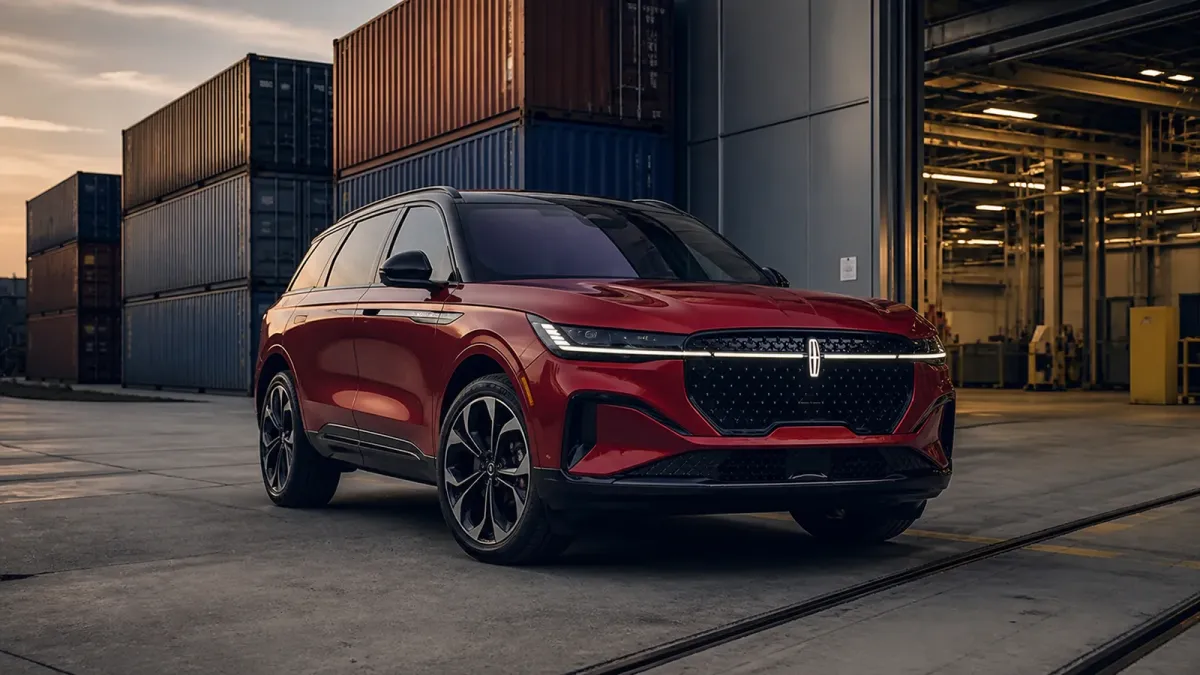
Ford says it will increase Lincoln production in the United States beginning in 2030, a shift that will eventually end Lincoln vehicle imports from China for the U.S. market and turn tariff pressure into a long-range factory-planning test.
The company announced the plan on August 12, 2026. Ford did not name every model that will move, but Reuters-carried reporting identified the Lincoln Nautilus as the main Lincoln vehicle currently imported from China and said tariff pressure was part of the decision.
What changed
Lincoln already builds the Navigator at Kentucky Truck Plant in Louisville and the Aviator at Chicago Assembly Plant. Ford says the added U.S. production will build on that base and is expected to generate thousands of direct and indirect American jobs.
The timing matters because this is not an overnight shift. A 2030 production start means suppliers, plant capacity, labor planning, and model-cycle decisions all have to line up years before buyers see the result on dealer lots.
Why buyers and workers care
For car buyers, the immediate takeaway is not a new price or a new model launch. It is a signal that trade policy can change where future vehicles are built, which can eventually affect availability, trim choices, production timing, and how automakers price imported luxury models.
For workers and local communities, the plan points to more U.S. manufacturing activity tied to a premium brand. Ford says it employed about 56,300 hourly manufacturing workers in the U.S. in 2025 and assembled more than 2 million vehicles in the country that year.
The caveat
Ford has not released the full investment amount, plant-by-plant allocation, or final model lineup tied to the Lincoln shift. That leaves the most practical questions unresolved: which facilities gain work, how many jobs are permanent, and how much of the tariff cost is avoided versus absorbed elsewhere in the supply chain.
What to watch next
The next useful signals are Ford's capital-spending updates, UAW-related plant details, supplier announcements, and any Lincoln product-cycle changes before 2030. Until then, the announcement is best read as a strategic bet: Ford wants future U.S. Lincoln sales to depend less on China imports and more on domestic assembly capacity.


