
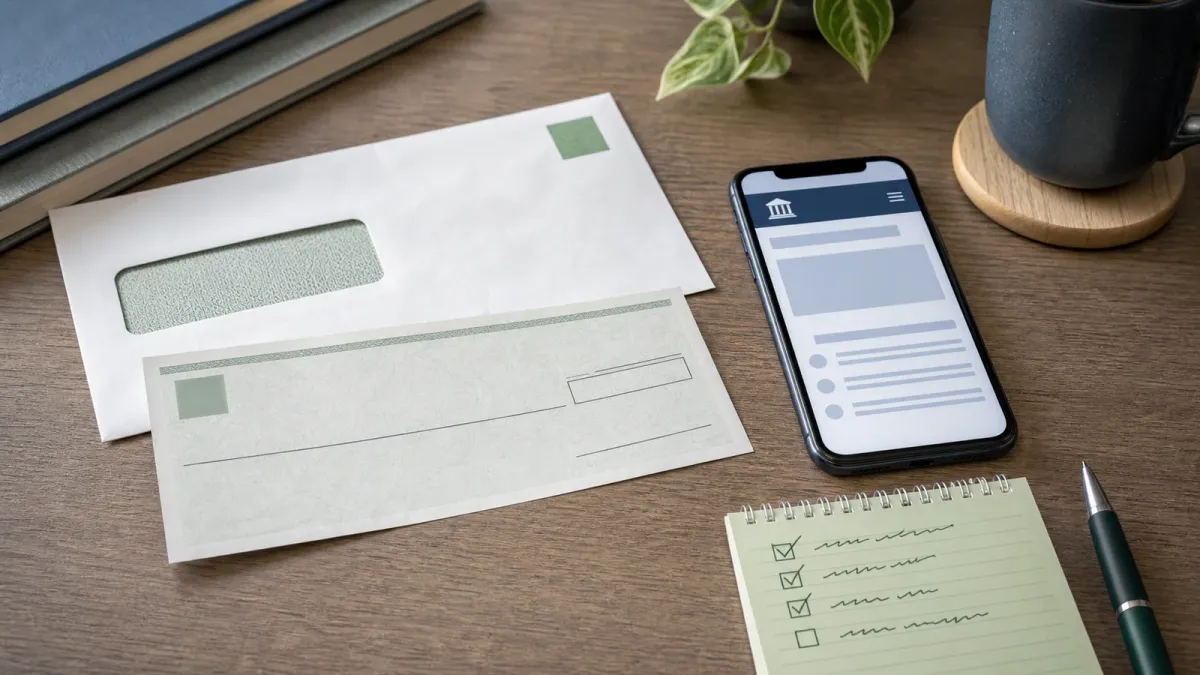
The Federal Trade Commission is mailing 9,419 refund checks to people who bought masks or other personal protective equipment from Trend Deploy during the COVID-19 pandemic. The checks total more than $672,000, and the practical instruction is simple: if you receive one, verify it through the FTC's official refund information and cash it within the 90-day window printed on the check.
The important warning is just as simple. A real FTC refund does not require you to pay a processing fee, share a bank login, transfer money, buy a gift card, provide account information or click a surprise text link. If someone says you must do any of those things to unlock a government refund, treat it as a scam signal.
The Trend Deploy refunds are tied to an FTC case involving facemasks, N95 masks and other PPE that the agency says were not shipped on time, were not refunded when orders were late, or arrived as lower-quality products than promised. The FTC's refund page names JND Legal Administration as the redress administrator and lists 1-833-609-9714 for payment questions.
The short answer
If a check arrives, compare the case name, administrator and contact details with the FTC's official refund page before responding to anyone. Then deposit or cash the check before it expires. If a call, email, text or social message asks you for money or account details before you can receive a refund, do not engage through that message.
Go directly to ftc.gov/refunds or the Trend Deploy refund page in your browser. Do not use a link from a message you were not expecting. If the payment is legitimate, the official FTC page should identify the refund program and the administrator. If the message is fake, the fastest way to limit damage is to stop before sharing payment information, passwords, verification codes or remote access to your device.
What to check first
Start with the deadline. The FTC says Trend Deploy checks should be cashed within 90 days, as indicated on the check. Waiting too long can turn a real payment into a missed payment problem, especially if the check expires before you get around to handling it.
Next, check whether the payment method matches the official program. For this refund round, the FTC says it is mailing checks. Other FTC refund programs may use PayPal, Zelle or other administrators, but the payment type should match the official page for that specific case. Do not assume a random digital payment notice is connected to a check program just because it mentions the FTC.
Then check the request being made of you. The FTC says it never requires people to pay money or provide account information to receive a payment. That rule matters because refund scams often work by creating a false sense of found money, then asking the target to pay a small fee, verify a bank account, return an overpayment or move the conversation away from official channels.
Why this refund is happening
Trend Deploy sold facemasks and other PPE online during the pandemic. According to the FTC, the company promised quick shipment but failed to keep that promise in many cases. The agency says consumers either did not get items on time, did not get refunds when shipments were delayed, or received lower-quality PPE than the company had promised.
The new refund distribution is not an invitation to file a fresh claim through an unknown third party. It is an FTC-administered payment round for eligible consumers already identified through the case. If you believe you are connected to the case but did not receive a payment, use the administrator phone number on the official FTC page rather than a search ad, social post or private message.
How to avoid turning a refund into a loss
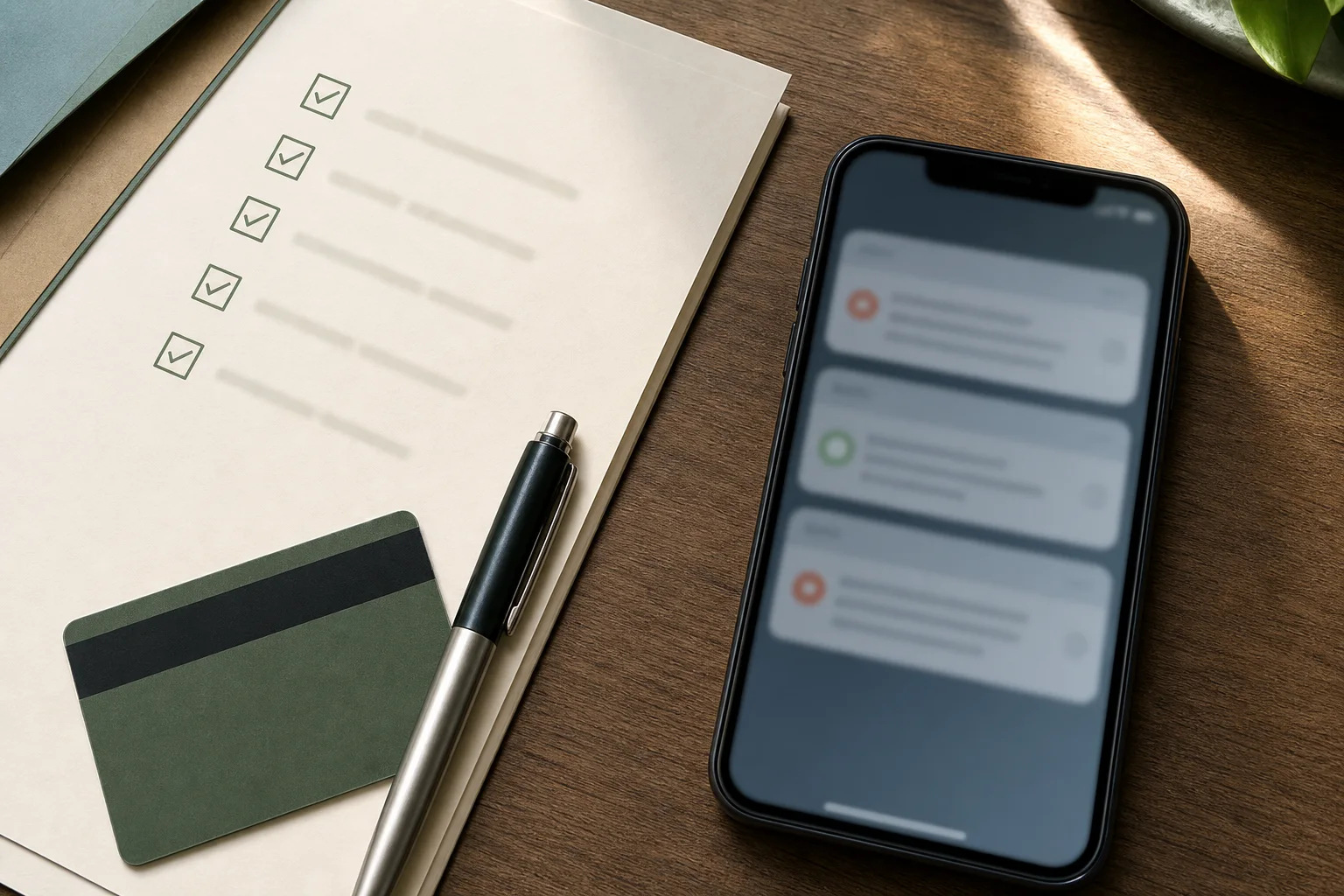
Use a one-page checklist before acting. Match the refund program to ftc.gov. Confirm the administrator. Check the cashing deadline. Deposit the check through your normal bank process. Save a photo or copy for your records. Ignore anyone who says you must first send money, reveal a bank account, buy cryptocurrency, buy a gift card, share a verification code or install remote-access software.
For future online purchases, the Trend Deploy case is also a reminder to keep order confirmations, delivery promises, refund policies and payment records. The FTC advises shoppers to check out sellers before buying, look closely at the total price and refund terms, and use a credit card when possible because federal law gives consumers protections for products they ordered but did not receive.
None of that makes every unexpected check fake. The safer habit is to verify through the official source before acting. A real refund should survive that check. A fake refund usually pressures you to skip it.


