
A medicine can contain the same active formula and still not be the same prescription package in the eyes of U.S. law. That is the central lesson from a newly published federal appeals ruling involving Gilead Sciences, the HIV medicine Biktarvy and companies that routed prescriptions through overseas suppliers to reduce costs for employer health plans.
The U.S. Court of Appeals for the Fourth Circuit affirmed a preliminary injunction that blocks the defendants from advertising, selling or facilitating imported Gilead-branded medicines in the United States. The court did not enter a final judgment on every claim. It held that, on the current record, Gilead is likely to succeed on its trademark claims and that the district court did not abuse its discretion by issuing the injunction.
For patients, the practical point is narrower but important: a familiar brand name and an identical chemical formula do not answer every safety, labeling and supply-chain question. If a health plan or vendor redirects a prescription to an unfamiliar source, the safest response is to verify the dispensing pharmacy, the U.S. approval status of the exact product and the information that will arrive with it before changing how the medicine is taken.
The short answer
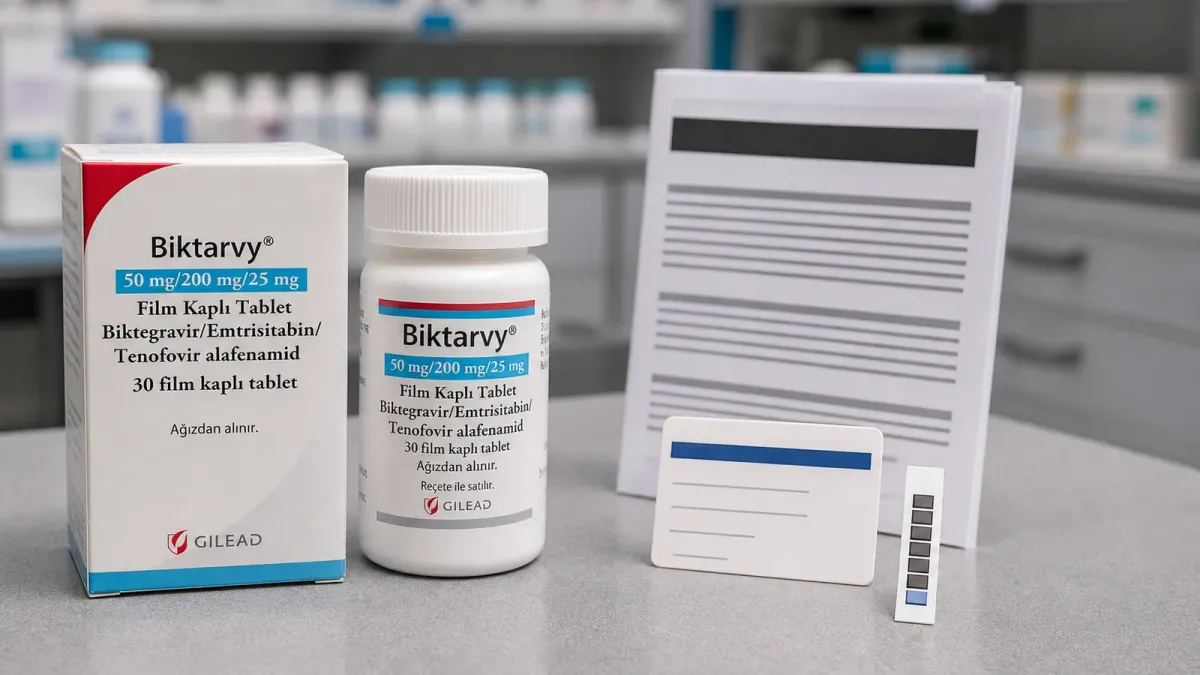
The case began after a Maryland patient who had taken Biktarvy for years received a Turkish-market version by mail. Testing confirmed that the tablets were authentic Gilead medicine rather than counterfeit pills. But the carton, bottle and patient information were prepared for Turkey, not for U.S. sale.
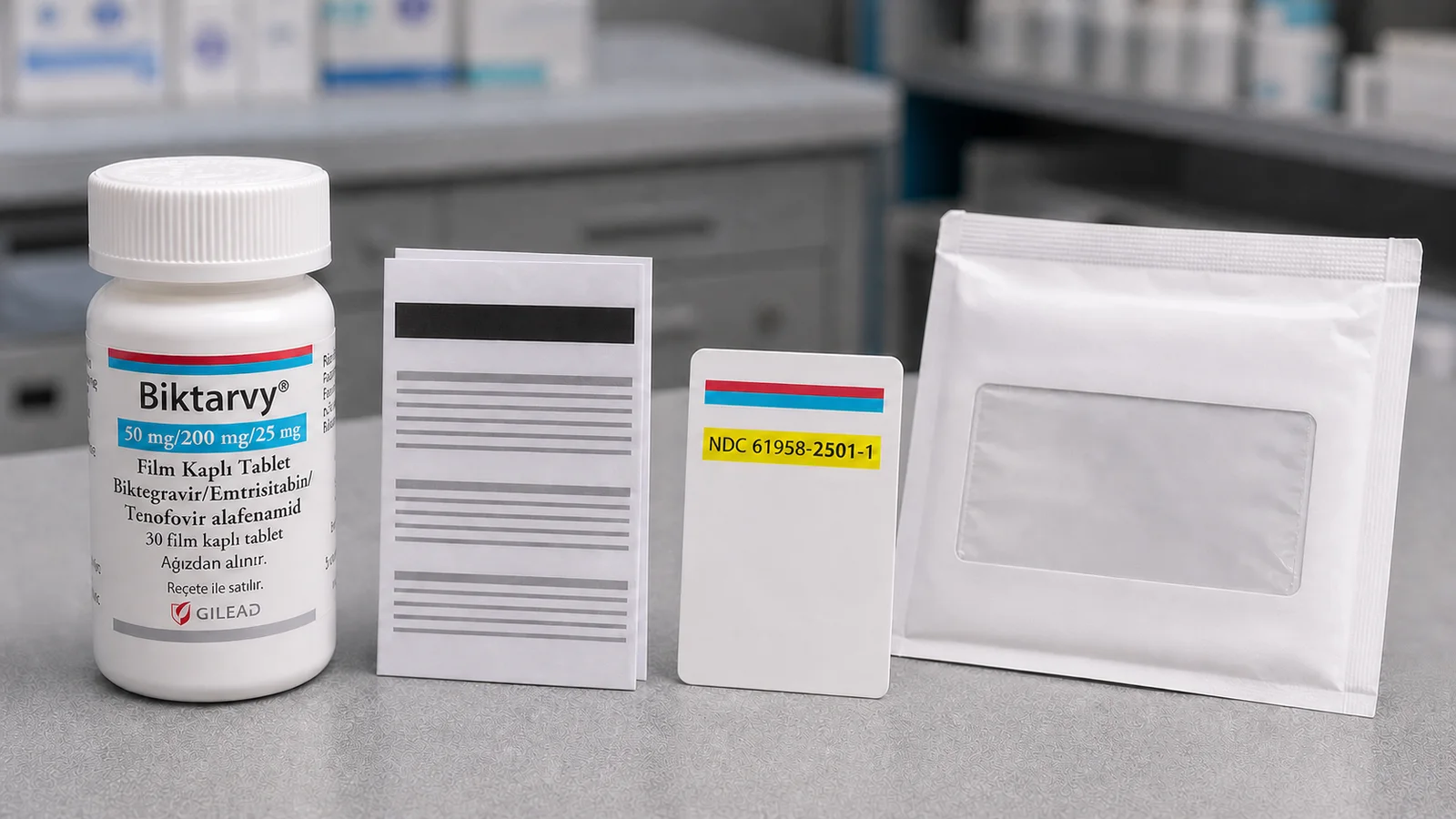
The Fourth Circuit treated those differences as material under the Lanham Act, the federal trademark law at issue. The ruling says the foreign-market product lacked several items that accompany the U.S. version, including English-language labeling, a National Drug Code identifier and U.S.-required patient information. It also traveled outside the domestic quality-control system Gilead uses to monitor temperature, trace custody and investigate problems.
That does not mean every foreign-made medicine is unsafe or that medicines must be manufactured inside the United States. Many FDA-approved drugs are made abroad. The distinction is whether the exact product and supply path are authorized for the U.S. market and comply with the applicable approval, labeling and distribution requirements.
Why the chemical formula did not end the analysis
The defendants argued that the imported Biktarvy was chemically identical to the U.S. version. The court accepted that fact and still found a likely trademark violation because the legal test also considers packaging, warnings and quality controls that consumers associate with the brand.
According to the opinion, the Turkish package omitted information that appears on U.S. Biktarvy materials, including certain warnings, the National Drug Code and U.S. regulatory disclosures. The U.S. patient document also contains a prominent warning about the risk of worsening hepatitis B infection after stopping Biktarvy for people who have both HIV and hepatitis B. A foreign-language insert is not a practical substitute for that information for a patient who cannot read it.
The court also focused on what happens between the factory and the patient. Gilead's U.S. distribution system uses sealed, temperature-monitored shipments and traceability records. If a shipment exceeds the labeled temperature threshold, the company can investigate before the medicine reaches a patient. The overseas route described in the case operated outside that system, leaving Gilead unable to monitor the shipment or trace its chain of custody.
What the ruling does—and does not—decide
This is a preliminary-injunction ruling in a trademark case, not a final verdict that resolves the entire lawsuit. The appeals court decided that Gilead had made a strong enough showing to keep the challenged activity blocked while the case proceeds. It did not announce that chemically identical foreign medicines are counterfeit, nor did it decide that every cross-border drug program operates the same way.
The opinion is still consequential for alternative funding programs, often called AFPs. Employers with self-funded health plans may use these vendors to seek lower-cost access to expensive medicines. In this case, the court found that the participating administrator, pharmacy-benefit manager and overseas-sourcing businesses played roles in redirecting patients from the domestic pharmacy network to imported Gilead products.
The cost pressure behind those arrangements is real. The defendants argued that lower-priced imports benefit patients and employers. But the court concluded that lower cost did not erase the differences in labeling and quality control, or the likelihood of confusion created when a patient receives a branded product outside the manufacturer's authorized U.S. system.
What to check if your prescription is redirected
A rejection at the pharmacy counter does not tell you by itself whether the medicine is unavailable, uncovered or being routed through another vendor. Before consenting to a new fulfillment path, ask for clear answers to these questions:
- Who will dispense the medicine? Get the pharmacy's full name, location and state license information—not only the name of a benefits vendor or referral service.
- Is this exact version approved for U.S. sale? Ask whether the package has U.S. labeling and the National Drug Code that identifies the labeler, product and package size.
- What information will arrive with it? Confirm that you will receive readable patient instructions, warnings, storage directions and a way to reach a licensed pharmacist.
- How is the shipment tracked and stored? Ask who is responsible for temperature controls, chain-of-custody records and handling a quality problem.
- What are the domestic alternatives? Ask the health plan about an appeal, an in-network specialty pharmacy, a covered alternative discussed with the prescriber or a manufacturer assistance program.
The Food and Drug Administration says prescription drugs imported into the United States generally must meet U.S. requirements for approval, labeling, registration and manufacturing. Its personal-importation policy allows discretion only in limited circumstances; it is not a general right to import an unapproved foreign version of a U.S. medicine.
If a package, label or pill looks different from what you normally receive, contact the pharmacist and prescribing clinician before taking action. Do not stop, skip or change a prescribed medicine on your own, especially a treatment where interruption can create medical risk. The goal is verification, not panic.
Bottom line
The Gilead case turns a technical trademark dispute into a useful consumer rule: verify the exact product and the path it traveled, not just the molecule or the logo on the box. A lower price can be meaningful, but it should come with transparent answers about U.S. approval, readable warnings, licensed dispensing and accountable quality controls.


