
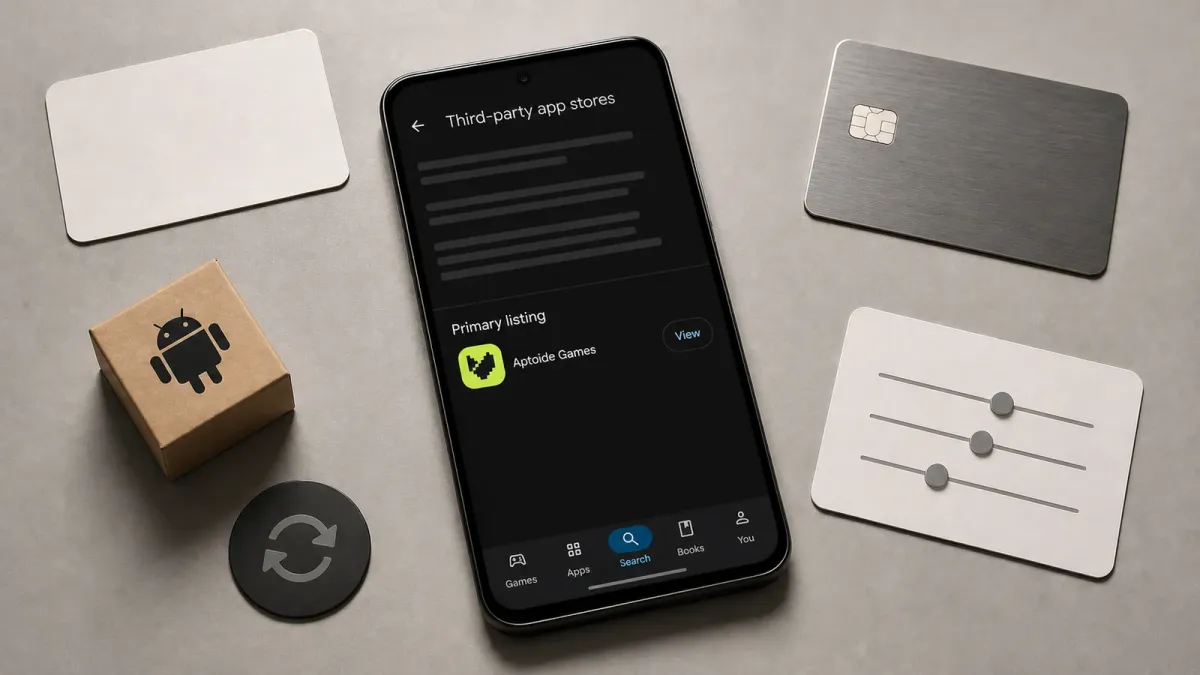
Google must make rival Android app stores easier to find and install through Google Play after a federal judge rejected several extra steps in the company's first implementation. The change could put more software marketplaces within reach of ordinary U.S. Android users, but it does not make every store, app, payment system or update path identical.
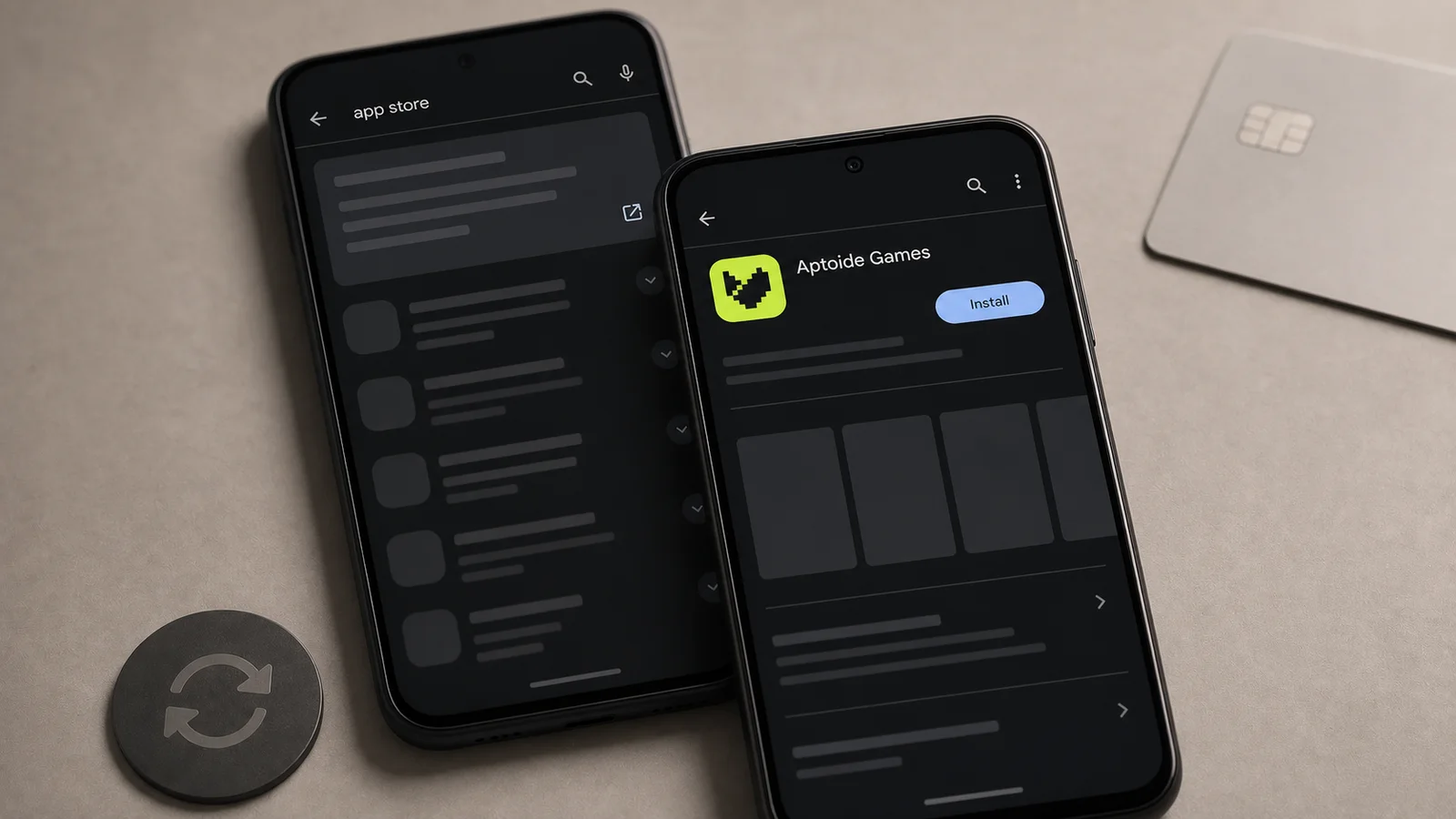
At an August 13 compliance hearing in San Francisco, U.S. District Judge James Donato directed Google to broaden the search terms that surface third-party stores, replace a two-step View-then-Install flow with a direct install action, and remove an extra search screen that separated rival stores from ordinary app results. Google agreed to make the changes, and the judge gave the company one week, according to current courtroom reporting by The Verge.
The practical rule for users is simple: easier discovery is not the same as interchangeable service. Before choosing a rival store, check which company operates it, where each app actually comes from, who handles updates, what payment and refund terms apply, and what permissions the store requests. Those five checks matter more than the store's placement in Google Play.
The short answer
The court-ordered system opens two different doors. One lets third-party Android stores appear inside Google Play so users can install the store itself without finding a separate website and working through the old sideloading process. The other lets qualifying third-party stores access Google Play's app catalog so they can offer a broader selection.
Those remedies address the two-sided advantage the courts said protected Google Play: developers go where the users are, while users go where the largest app catalog is. The Ninth Circuit's opinion upheld a temporary opening designed to give competitors both a way to reach users and access to a competitive catalog.
The first rival marketplace, Aptoide Games, appeared in the U.S. Play Store earlier in August. Initial searches, however, did not reliably surface it unless users entered specific terms or followed a direct link. The August 13 hearing focused on that gap between formal availability and practical discoverability.
What the injunction actually requires
Judge Donato's October 7, 2024 permanent injunction requires Google, for a three-year period, to permit third-party Android stores to access the Play catalog and to allow those stores to be distributed through Google Play. It also bars several contracts and billing rules that the court tied to Google's anticompetitive conduct.
Catalog access does not mean Google disappears from every transaction. If an app is available only through Google Play, the injunction says a user who finds it through a rival store may complete the download through Google Play on the same terms as a direct Play download. Google may keep the revenue from that transaction. Developers also receive a mechanism to opt out of inclusion in a particular third-party store.
Google's developer guidance says it began making U.S. app listings available to third-party stores on July 22, 2026, unless a developer opted out. That distinction is easy to miss: the storefront may be different even when Google still supplies the underlying listing or download.
Five checks before you install
- Confirm the store operator. Look for the legal company name, support channel, privacy policy and a clear way to report a bad app. A familiar app title does not establish who operates the marketplace carrying it.
- Check who supplies the app. The same store may offer some apps from its own catalog and route others back through Google Play. Read the install screen so you know which service is delivering the file and which account will record the download.
- Find the update path. Ask whether the rival store will deliver future versions, whether Google Play will do so, or whether the developer manages updates directly. If that answer is unclear, delay the switch for apps that handle banking, health, work credentials or other sensitive data.
- Read payment and refund terms. A rival store may use a different billing system, subscription manager or customer-service process. Before paying, verify the seller of record, renewal terms, refund policy and where you would cancel a subscription.
- Review permissions and security warnings. An app store needs broader installation privileges than an ordinary game or utility. Check the permissions Android presents, keep Play Protect active, and do not dismiss a malware or harmful-app warning simply because the store was discoverable through Google Play.
Google's Android guidance says Play Protect checks apps at installation and periodically scans the device, including software obtained from other sources. That protection is useful, but it is not a substitute for verifying the publisher, the requested permissions and the account that will control purchases.
What safety review still allows
The injunction lets Google take reasonable steps to keep third-party stores and their apps safe from computer-security threats, illegal goods and violations of Google's content standards. The review must be comparable to the review applied to ordinary Play apps. If challenged, Google bears the burden of showing that a requirement is necessary and narrowly tailored.
Google may also charge a reasonable fee based on its actual review costs. Technical disputes first go to a three-person committee created by the injunction, with the court retaining the final word. The August hearing shows that this compliance process is still active: a store can technically exist in Play while the parties continue arguing about whether users can find and install it without unnecessary obstacles.
That is why this is not a one-time settings change. Search results, install buttons, safety screens and catalog rules may continue to evolve as Google, Epic Games, the technical committee and the court work through implementation.
What this means for Android users
More store competition could give developers additional distribution and billing choices, while giving users access to different catalogs or business models. It could also split purchases, subscriptions and updates across more services. Convenience will depend on how clearly each store explains those responsibilities.
For now, treat a rival store the way you would treat a new payment app or browser extension: install it only when you can identify the operator, understand its privileges and explain how to remove it or stop its billing. The court is making the doorway easier to reach. Choosing what comes through it remains a user decision.
Bottom line
Google's next compliance changes should remove several avoidable search and install steps, but they will not erase the differences among Android marketplaces. Before switching, verify the operator, app source, update owner, payment terms and permissions. Those five checks turn a court-ordered opening into an informed choice rather than a blind tap.


