
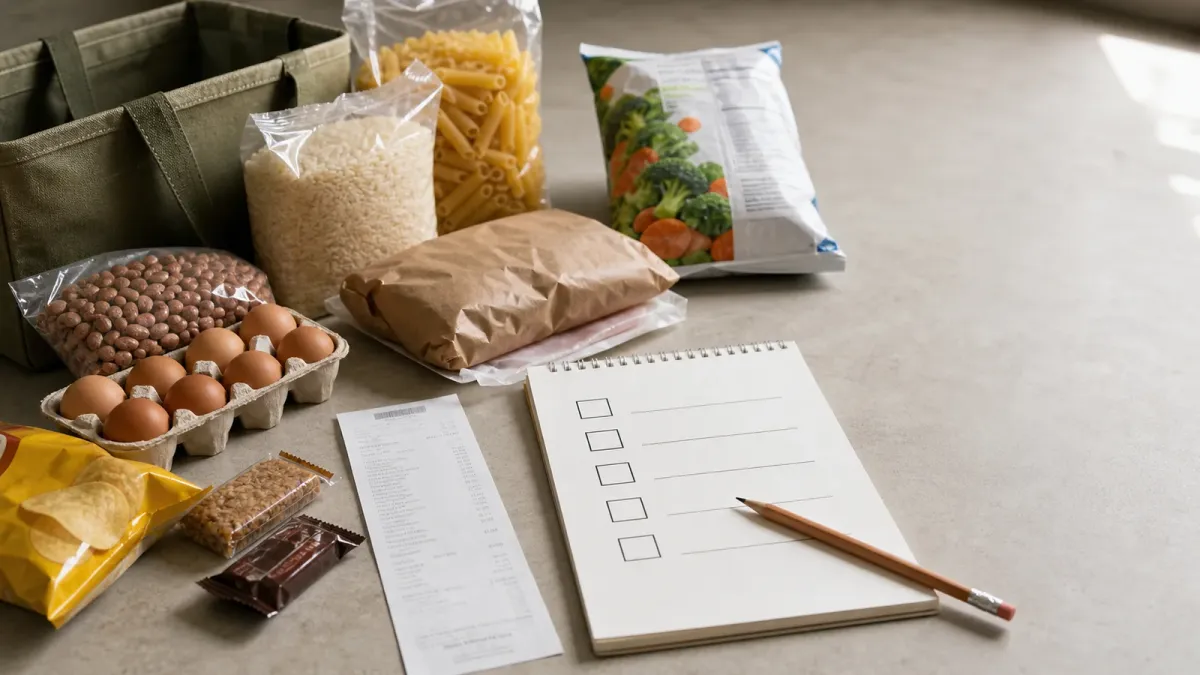
If your grocery bill still feels wrong, do not start by cutting everything. Start by checking the few prices most likely to move your total: beef, fresh produce, sugar-heavy snacks, prepared foods and the store-brand staples you buy every week.
The pressure is real. The Associated Press reported July 26, 2026, that U.S. grocery prices climbed 33% from 2019 to 2026, reshaping how many households shop, cook and stretch food assistance. The latest Bureau of Labor Statistics report also shows food-at-home prices were still 2.7% higher in June than a year earlier, even as overall inflation cooled.
The useful takeaway is not panic. It is precision. A smaller cart is not automatically a cheaper life if it cuts filling foods first and leaves the expensive habits untouched.
Do this first
Check beef before you check everything else. USDA's July Food Price Outlook says beef and veal prices were 11.8% higher in June 2026 than in June 2025 and are forecast to rise 10.7% for the year. If beef is a routine purchase, compare the unit price with chicken, beans, lentils, eggs, canned fish and sale-priced pork before you decide the whole trip is unaffordable.
Separate produce from convenience. BLS said fruits and vegetables were 5.3% higher over the year, but that does not mean every healthy item moved the same way. Compare fresh, frozen and canned versions. Frozen vegetables, store-brand fruit cups without added sugar and plain canned tomatoes can keep meals useful when fresh prices spike.
Audit snacks and sweets by serving, not package. USDA says sugar and sweets are among the food-at-home categories expected to grow faster than their 20-year average in 2026. A smaller package can look cheaper and still cost more per serving. Check the shelf tag, then decide whether the item is a treat, a lunchbox need or a habit that can wait.
Use one basket to test store loyalty. Pick 10 repeat items: milk, bread, rice or pasta, eggs, one protein, one fruit, one vegetable, coffee or tea, a lunch item and a household staple. Price that same basket at your usual store, a discount grocer and one pickup or delivery app. Delivery fees and substitutions count. A cheaper sticker price can disappear at checkout.
Protect the meals that prevent takeout. The goal is not the lowest receipt; it is the lowest week. Keep low-effort meals on hand: rice bowls, pasta with vegetables, beans and tortillas, soup, oatmeal, eggs or yogurt. Cutting these can backfire if a tired night turns into restaurant food.
Check these details
Use unit prices where available, and calculate them yourself when the tag is missing. Compare price per ounce, pound, count or serving. For meat, compare edible portions, not just package weight. For subscriptions, coupons and apps, check whether the discount applies only once.
If you receive SNAP or may qualify, check your state agency's current rules and balance before changing your shopping plan. AP reported that SNAP enrollment was down in 2026, which means some households have less of a buffer just as food prices remain high.
Bottom line
High grocery prices call for a targeted reset, not a blanket retreat. Replace the fastest-rising categories first, keep the meals that stop takeout, and recheck your basket every few weeks because the cheapest choice in June may not be the cheapest choice in August.


