
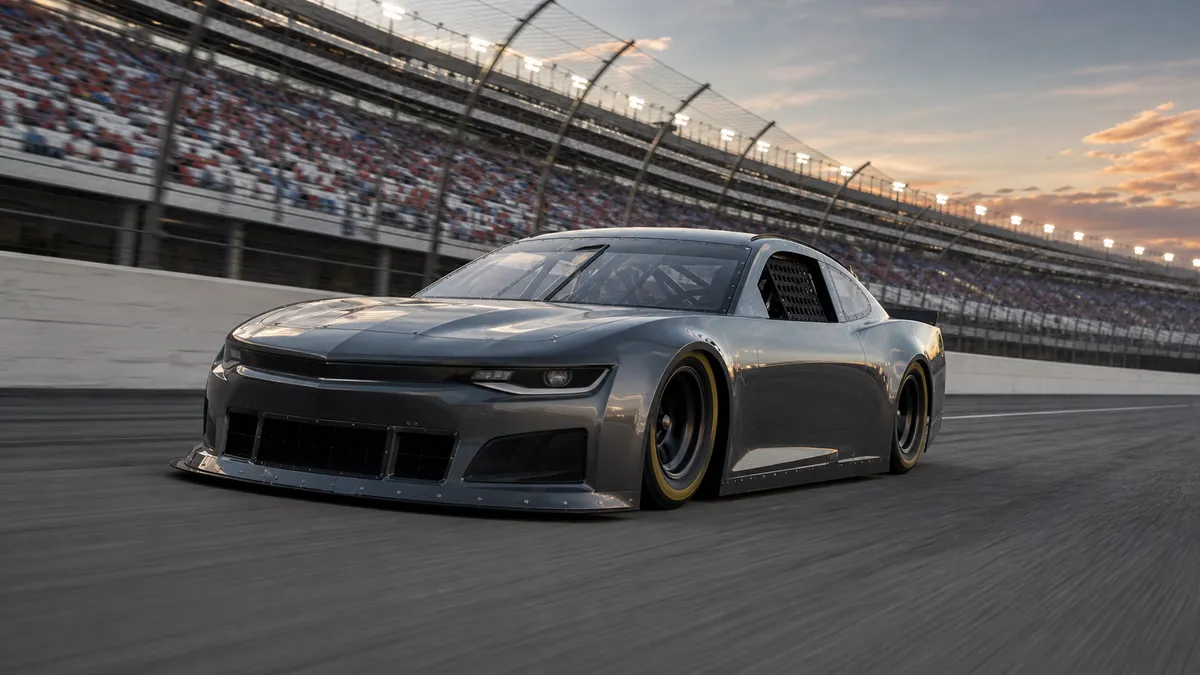
NASCAR is back at Chicagoland Speedway on Sunday, July 5, 2026, and Denny Hamlin will lead the Cup Series field to green after one of the tightest qualifying margins of the season.
Hamlin claimed the pole in Saturday's time trials at the 1.5-mile Joliet, Illinois, oval, beating Kyle Larson by 0.001 seconds, according to NASCAR Wire Service. The race is scheduled for 6 p.m. ET and marks the Cup Series' first points race at Chicagoland since 2019.
The timing helps explain why NASCAR jumped into Google Trends in the United States late Saturday. The sport is not simply adding another regular-season stop. It is returning to a traditional oval in the Chicago market after three years of street racing downtown, giving fans and teams a very different Independence Day weekend test.
NASCAR's weekend guide lists the eero 400 as a 267-lap, 400.5-mile race, with television and streaming coverage on TNT Sports, truTV and HBO Max, and radio coverage on MRN and SiriusXM NASCAR Radio. Chicagoland Speedway's event page also confirms the Sunday Cup race and the 5 p.m. Central start time.
Why the pole matters
Qualifying by one-thousandth of a second does not decide a 400-mile race, but it does shape the opening phase. Hamlin gets clean air at the start, first choice in pit selection and a chance to control the first restart. Larson, who missed the pole by almost nothing, starts beside him and gives the front row two drivers who can turn qualifying speed into long-run pressure.
Official starting-lineup reports list Chris Buescher, Brad Keselowski and Ty Gibbs behind the front row, putting a mix of veteran oval racers and younger contenders near the front. On a track that has been absent from the Cup schedule for seven years, that matters because teams are blending old Chicagoland notebooks with newer car behavior, current tire data and a race weekend schedule that leaves little room for overreaction.
What changes from the Chicago street race
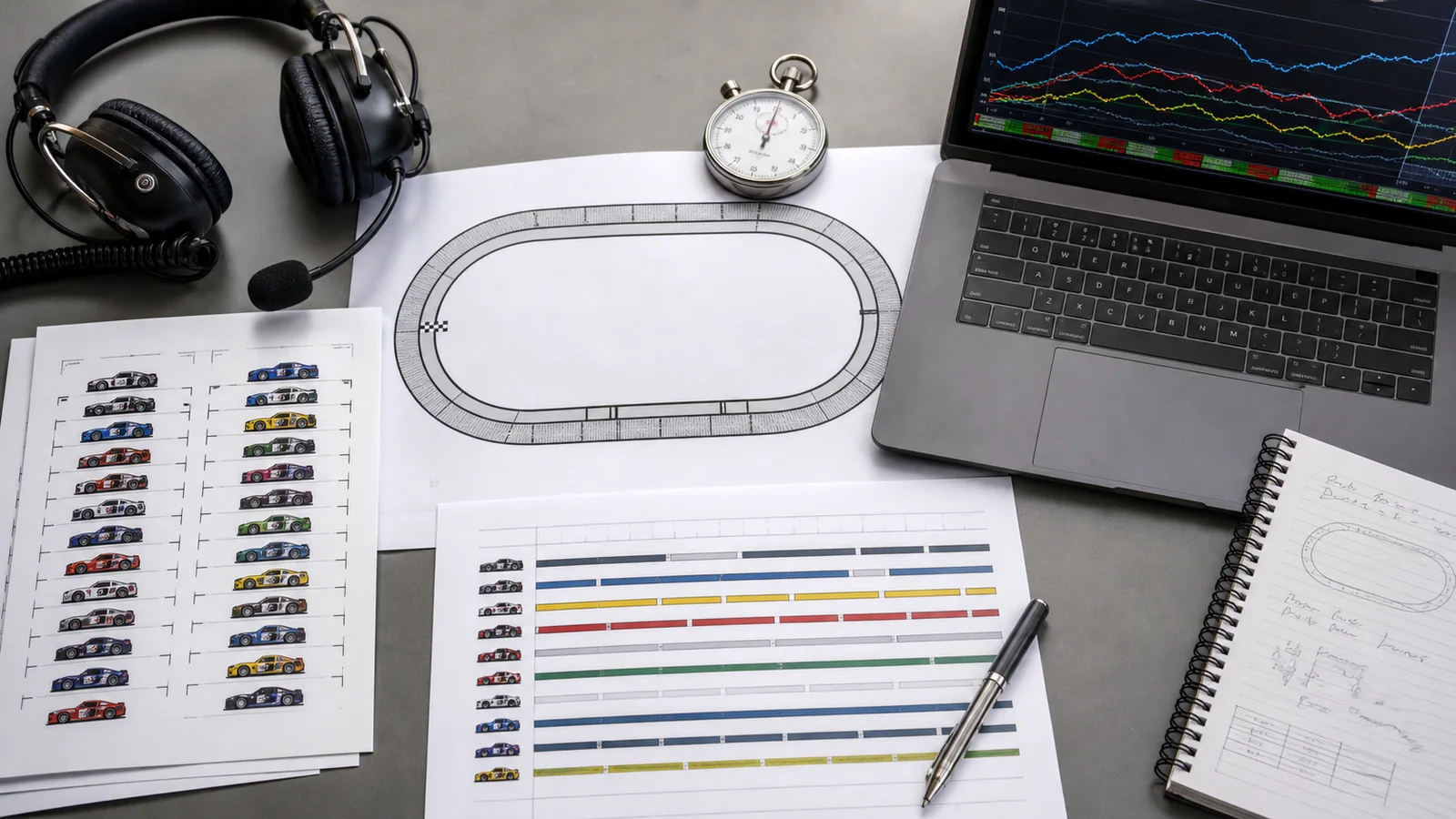
The shift from downtown streets to Joliet changes the story. Street courses reward braking precision, track position and survival through tight corners. Chicagoland is a faster oval where clean air, tire falloff, lane choice and traffic management can matter over a longer rhythm. That makes the race less of a civic spectacle and more of a conventional stock-car test.
It also gives NASCAR a useful read on the Chicago market. The downtown street race gave the series visibility in the city center. Chicagoland gives it a chance to measure demand for a more familiar race-day product at a venue built for stock cars, tailgates, grandstand sightlines and a full weekend schedule.
For viewers, the practical takeaway is simple: the race is Sunday evening, Hamlin starts first, Larson starts second, and the return to Chicagoland is about more than nostalgia. It is a test of whether NASCAR's Chicago-area future should lean back toward the oval, keep experimenting with street racing, or make room for both kinds of events in different years.
The pole result gives Hamlin the first advantage, but the bigger question will be answered over 267 laps: whether a track missing from the Cup calendar since 2019 can still produce the kind of race that makes fans want Chicagoland back again.


