
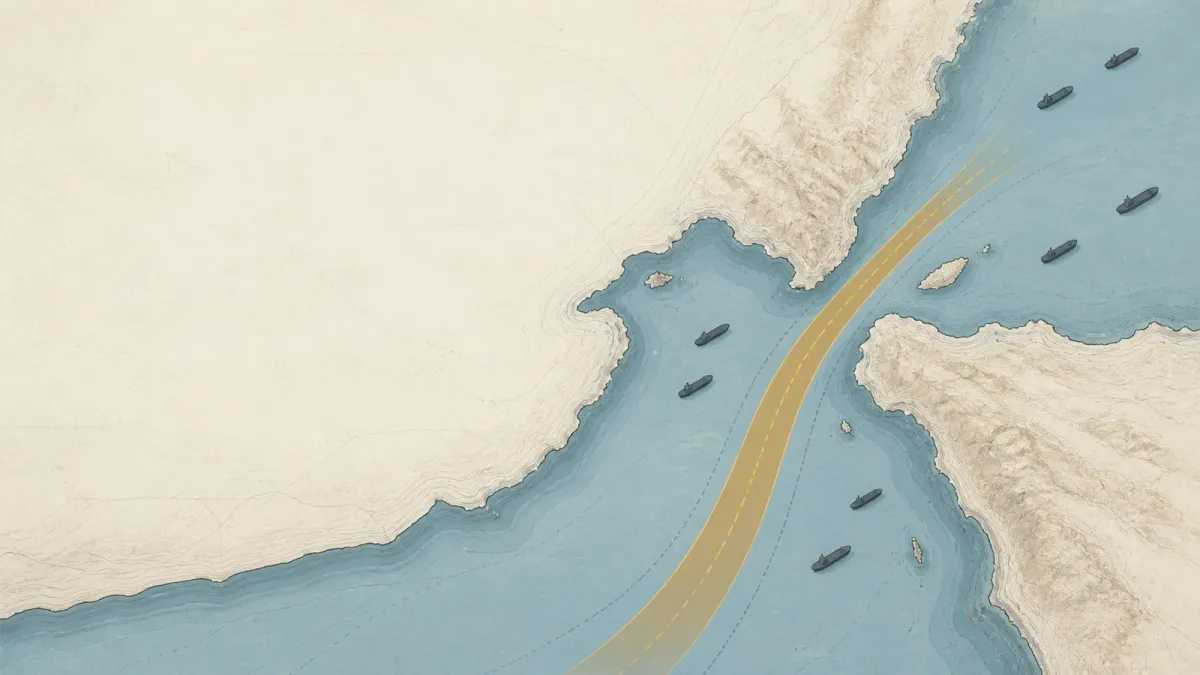
Talks over the Strait of Hormuz have moved from diplomatic hope to operational details after Iran and Oman said they had agreed on coordinates for a proposed commercial shipping route through one of the world's most important energy chokepoints.
The development does not mean the strait is fully reopened or that a wider U.S.-Iran deal is done. It does mean negotiators are now arguing over the mechanics that would determine whether tankers and cargo vessels can move more safely, whether Iran gets any control over the lane, and whether Washington can accept the arrangement.
The immediate reader consequence is simple: if the corridor holds, pressure on oil prices and fuel-sensitive goods could ease. If it collapses, shipping risk, insurance costs, and regional escalation fears stay in the price of energy and trade.
What changed
The Associated Press reported on August 6, 2026, that Iran and the United States both described a possible Hormuz deal as close, while still disagreeing over the terms. The AP said the waterway had carried about a fifth of traded oil and natural gas before the conflict disrupted traffic.
The newer point is the route itself. The Guardian and other outlets reported on August 5 that Iran and Oman had agreed on coordinates for a shipping channel and were working toward a joint announcement. The Financial Times also reported that the two countries had reached a preliminary understanding on a navigable route, while noting that approval and implementation conditions remained unresolved.
That shift matters because a shipping route is more concrete than a promise to de-escalate. It requires decisions about where vessels enter, where they exit, who monitors the passage, what happens to mines or military obstacles, and whether any party can charge fees or block certain traffic.
The route question
Public reporting describes a temporary arrangement built around separate or coordinated lanes involving Iranian and Omani waters. The precise coordinates have not been released publicly in a way readers can independently verify, so the safest conclusion is narrower: negotiators appear to have moved from whether a channel should exist to how one might operate.
Iran's Foreign Ministry has framed the strait as a maritime-security issue tied to coastal-state rights and the war. Oman has publicly said it is working on safe-passage arrangements for the strait. The United States, according to AP reporting, wants free movement and has resisted terms that would appear to concede Iranian control or add toll-like charges.
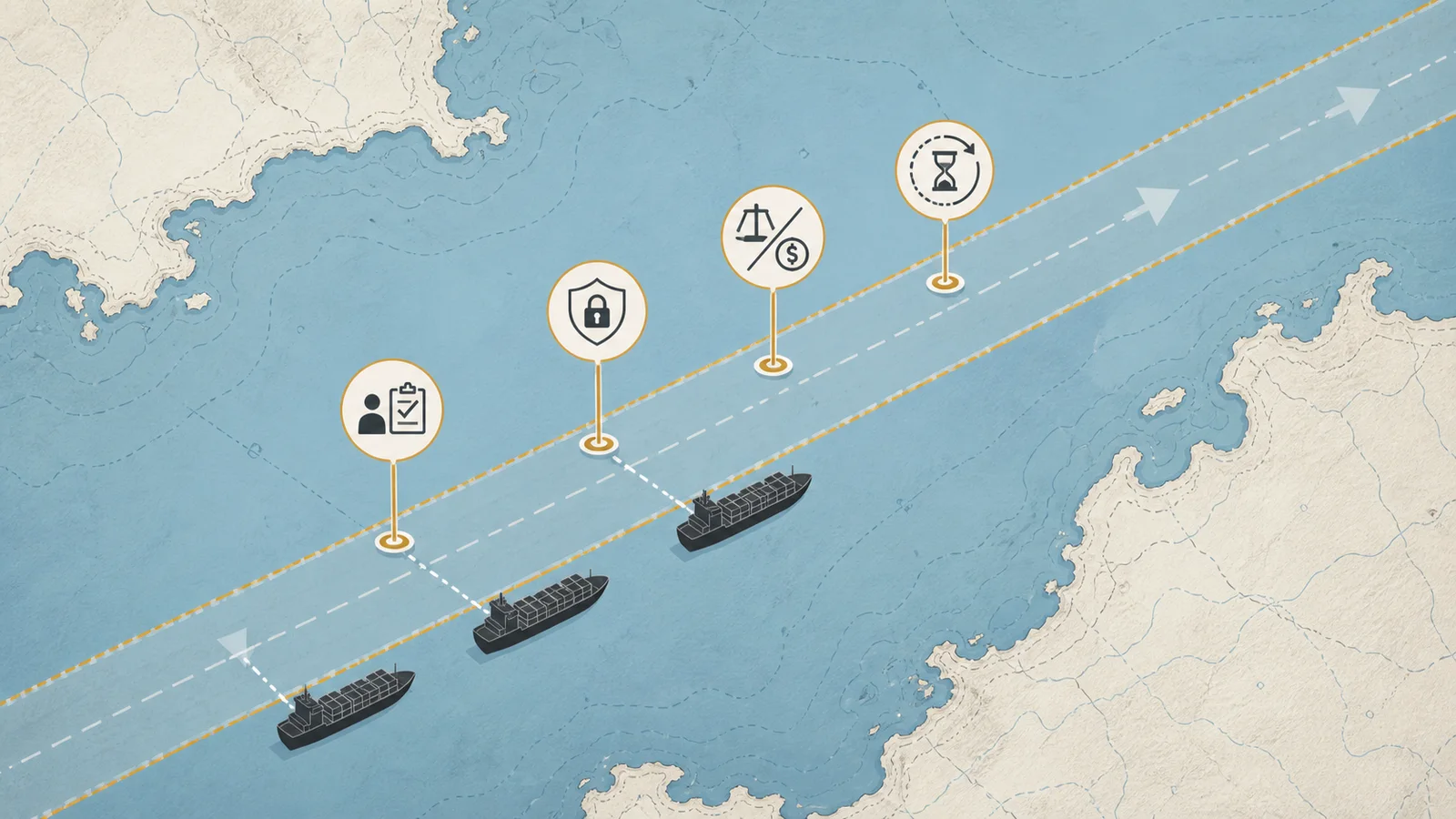
Those positions leave several practical questions unresolved. Who confirms a ship is eligible for passage? Who responds if a vessel is attacked? What happens if one side says a ship is hostile and another says it is commercial? A route line on a chart is useful only if the enforcement rules are clear enough for shipowners, insurers, and energy buyers to trust it.
Why markets care
Hormuz is not just a regional diplomatic symbol. It is a narrow passage connecting the Persian Gulf with the Gulf of Oman and the Arabian Sea, and a disruption there can ripple quickly into crude oil, liquefied natural gas, shipping insurance, and consumer fuel expectations.
Oil prices have reacted to signs of progress because traders are trying to price the difference between a temporary corridor and a lasting settlement. A temporary passage could lower immediate disruption risk, but it would not erase the possibility of renewed attacks, new blockades, or a political collapse in talks.
For households and businesses, the connection is indirect but real. Higher shipping risk can raise costs for fuel, air travel, delivery, chemicals, plastics, food distribution, and energy-intensive manufacturing. Lower risk does not guarantee cheaper prices at the pump, but it can remove one source of upward pressure.
What to watch next
The first test is whether Iran and Oman issue a formal statement with usable operating details. The second is whether U.S. officials publicly accept enough of the arrangement for insurers and shipping companies to treat the route as credible.
Watch for language on tolls or service fees, mine-clearing, inspection authority, eligible vessels, and the duration of any temporary deal. A short 60-day arrangement would be meaningful, but it would also create a new deadline for markets to worry about.
The biggest risk is that each side can describe the same channel differently: Iran as a recognition of its coastal authority, Oman as a safe-passage mechanism, and the United States as a temporary route that preserves free navigation. That ambiguity may help diplomats get to an announcement. It may not be enough for shipping to return to normal.
Until ships are moving consistently and the rules are tested without new attacks, the Hormuz story remains a developing negotiation rather than a completed reopening.


