
Search interest in the United States Congress is high today, but a bill headline rarely tells you whether anything has actually changed. The practical question is simpler: has the proposal moved, and what step is still missing?
The best first move is to look for the bill number, not just the nickname. A House bill starts with H.R.; a Senate bill starts with S. Joint resolutions use H.J. Res. or S.J. Res. Once you have that citation, you can follow the official record instead of relying on social posts or campaign language.
Here is how to read the status without getting lost.
The short answer
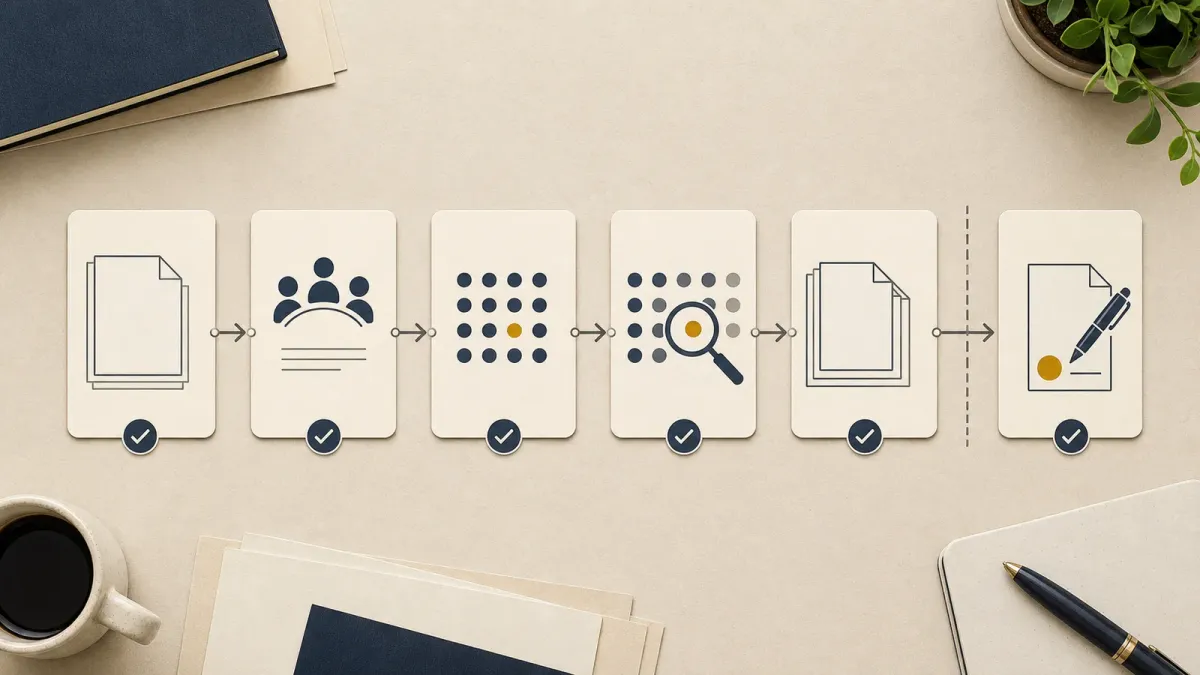
A proposal is not law just because it was announced, introduced or passed by one chamber. USAGov explains that a bill generally must be introduced, reviewed in committee, voted on by one chamber, sent through the other chamber, reconciled into the same text if needed, and then presented to the president. A veto can still stop it unless Congress overrides the veto; a pocket veto can happen when Congress is out of session.
Do this first
Search the exact bill number on Congress.gov or GovInfo. If you only know the topic, search the sponsor, keyword and current Congress. The official page should show the sponsor, committees, text versions, summaries, related actions and the latest action date.
Then check the latest action. “Introduced” means the proposal has entered the record. “Referred to committee” means the panel with jurisdiction can study, amend or ignore it. “Reported” means a committee has sent a version forward. “Passed House” or “Passed Senate” means only one chamber has acted unless the other chamber has also passed identical text.
Check these details
Look for companion bills. The Senate glossary defines a companion measure as similar or identical legislation introduced in both chambers. That can show political momentum, but it does not mean the bills are moving at the same speed or have the same text.
Watch the version labels. GovInfo notes that bill versions track changes from introduction through passage and enrollment. An enrolled bill is the final official copy passed by both chambers in identical form and sent to the president. That is much closer to becoming law than an introduced or committee-reported version.
Finally, compare the latest action date with today’s date, July 20, 2026. If the page has not changed in weeks, the bill may still be alive in procedural terms but inactive in practical terms.
Common mistakes
Do not treat a press release as a legal change. Do not assume a House vote means the Senate has agreed. Do not assume a bill title describes every provision in the current text. Also check whether a story is about a bill, a resolution, an amendment or an existing public law; those are different things.
What to watch
The meaningful signals are a new committee action, a scheduled floor vote, passage in the second chamber, a conference agreement, enrollment or presidential action. Until then, a bill may be politically important, but the law has not changed yet.


