
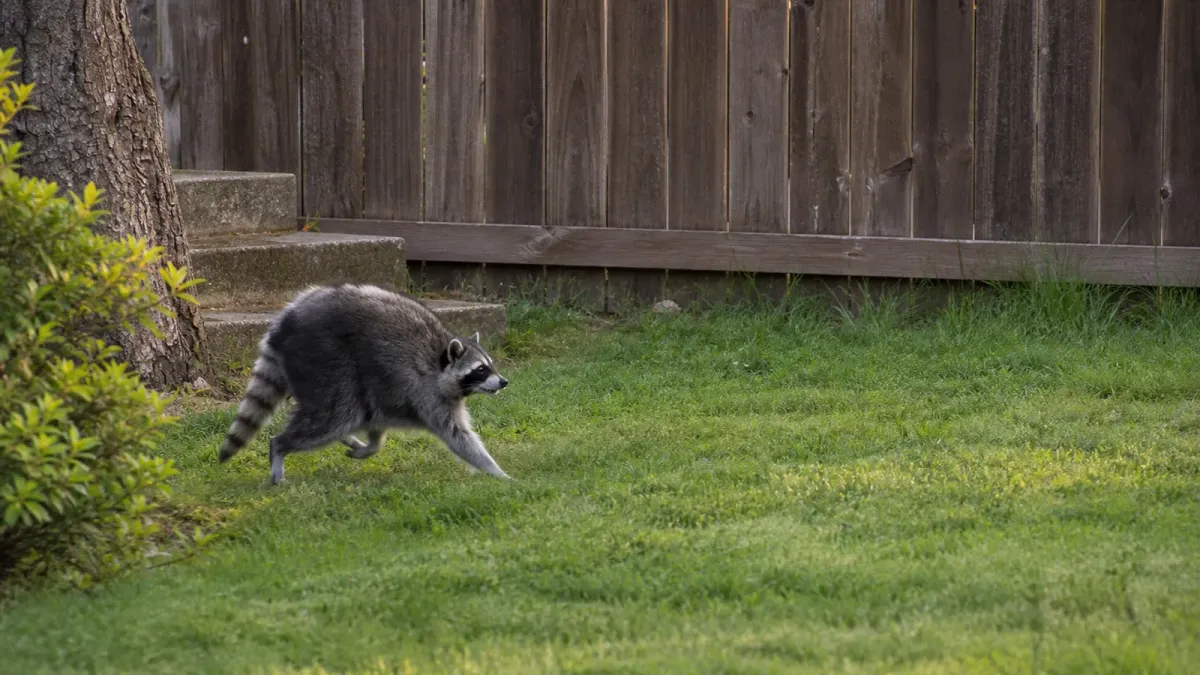
A five-second encounter in Seattle's Ballard neighborhood has turned an unusually round raccoon into one of the internet's newest animal celebrities. Kiana Hall spotted the animal during an evening walk on Monday, July 13, and posted video of the raccoon moving across a yard and climbing a short flight of steps. She called the animal Jimothy simply because, as she later explained, the name seemed to fit.
The clip spread far beyond Seattle within days. Reuters reported that it drew millions of views and prompted other Ballard residents to share older sightings of the same distinctive raccoon. By the weekend, Jimothy-inspired art, plush figures, tattoos and an online fan community had appeared, while the Seattle Mariners used the raccoon as part of an in-stadium crowd prompt.
The appeal is easy to understand: Jimothy has a compact, almost spherical torso, long-looking legs and a gait unlike the familiar hunched walk of most raccoons. But the feature that made the animal instantly recognizable has also led to a rush of online diagnoses that experts say should remain tentative.
What may explain Jimothy's shape
Jimothy has not been examined or formally diagnosed. Marcie Logsdon, an associate professor at Washington State University's Veterinary Teaching Hospital, reviewed video and told The Seattle Times that the raccoon's shortened-looking neck was probably caused by a congenital spinal deformity. Short spine syndrome is one possibility, but identifying a condition from social-media footage is not the same as a veterinary examination.
Short spine syndrome is an extremely rare condition in which vertebrae fail to develop normally, leaving the spine compressed and limiting how an animal can move its head and body. Most documented discussion of the syndrome involves dogs and cats, making confident claims about a free-ranging raccoon especially difficult.
What the footage does show is an animal that can run, climb steps, squeeze through railings and forage. Logsdon described that energy and mobility as encouraging. Those visible abilities do not rule out health problems, but they are a reason to resist claims that Jimothy is either obviously suffering or perfectly healthy.
Why the internet embraced him
Viral animal fame often begins with a single striking image, but Jimothy's story expanded because neighbors could add history. After Hall's clip circulated, residents recognized the raccoon and posted earlier footage, including scenes of a smaller Jimothy moving with a mother and siblings. The sightings turned a strange-looking animal into a local character with a past.
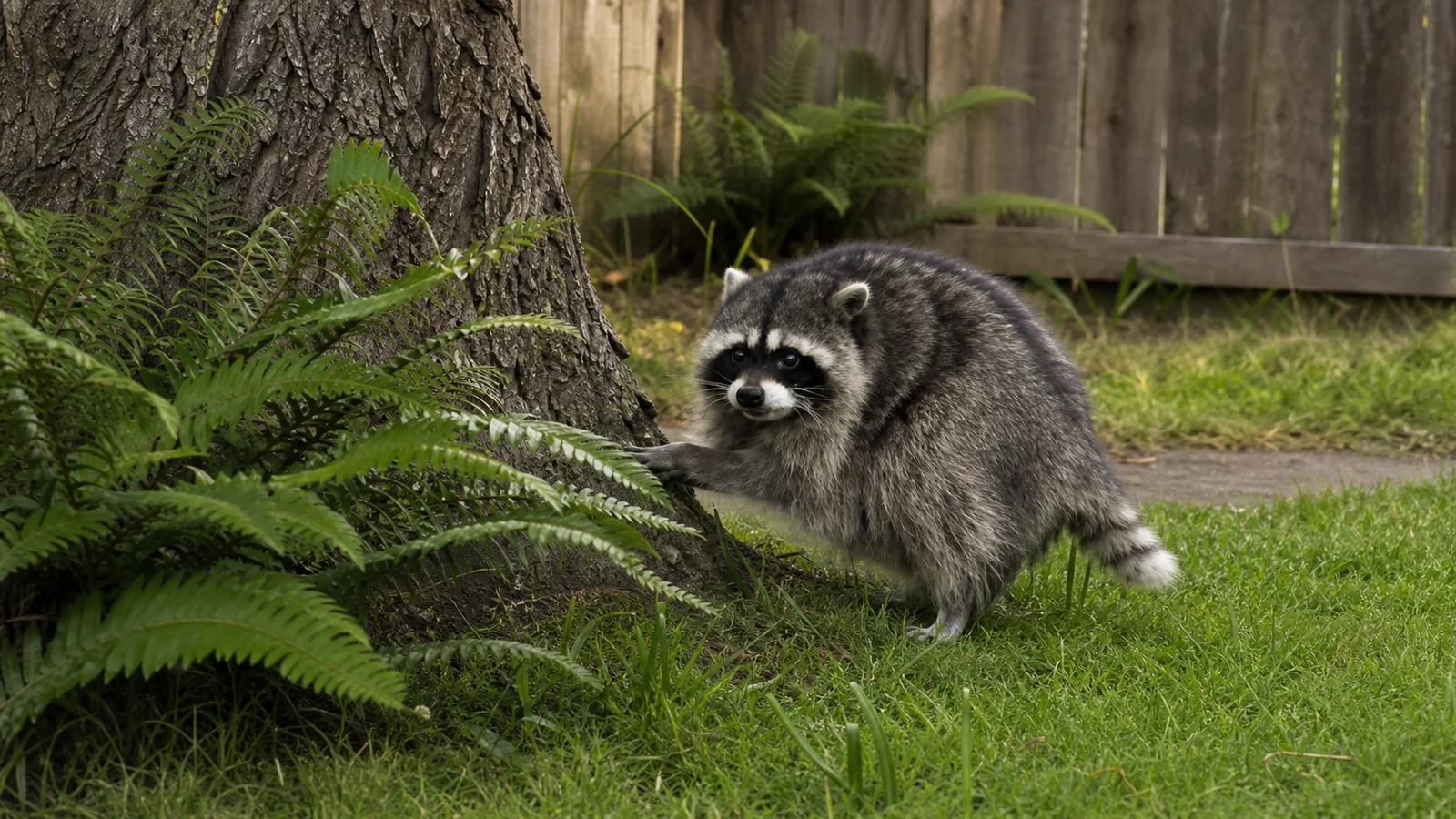
That continuity matters. The joke is not only that Jimothy looks unusual; it is that a recognizable wild neighbor has been quietly navigating the same alleys, yards and trees as everyone else. The nickname, the fan art and the phrase “Hot Jimothy Summer” turn that neighborhood recognition into a shared bit of internet folklore.
Threads remained full of new Jimothy posts on Sunday evening, with independent users sharing drawings, crafts and reactions within minutes of one another. The continuing stream suggests the story has moved beyond a single viral clip into a participatory cultural moment, where making something about Jimothy is part of the fun.
The best way to be a fan
The attention also creates a risk: people may be tempted to search Ballard for a close-up, leave food outside or try to “help” an animal that has not been assessed. Washington's Department of Fish and Wildlife advises people to watch wild animals from a safe distance and avoid behavior that changes how they move or forage.
The agency specifically warns against feeding raccoons. Human-provided food can make them lose their fear of people, concentrate animals in one place and increase disease or parasite transmission. It also recommends securing garbage, feeding pets indoors and keeping pets in at night.
Those rules are especially relevant for an animal whose unusual body may already affect how it responds to danger. A crowd, a cornered encounter or a predictable feeding spot could make ordinary urban risks worse. Jimothy does not need a fan club at the curb; the safest appreciation remains the kind that lets the raccoon choose the distance.
What happens next
There is no announced plan to capture or examine Jimothy, and an examination would be the only way to confirm the cause or extent of the spinal difference. For now, the most defensible conclusion is modest: Jimothy looks unlike other raccoons, appears active in the footage available, and has become a genuine Seattle folk celebrity.
Hall told Reuters that she was glad the video gave people something silly and joyful during a difficult time. That may be the clearest explanation for the response. Jimothy is strange, resilient and local, but also immediately legible to anyone who has ever rooted for an animal finding its own way through a city.


