
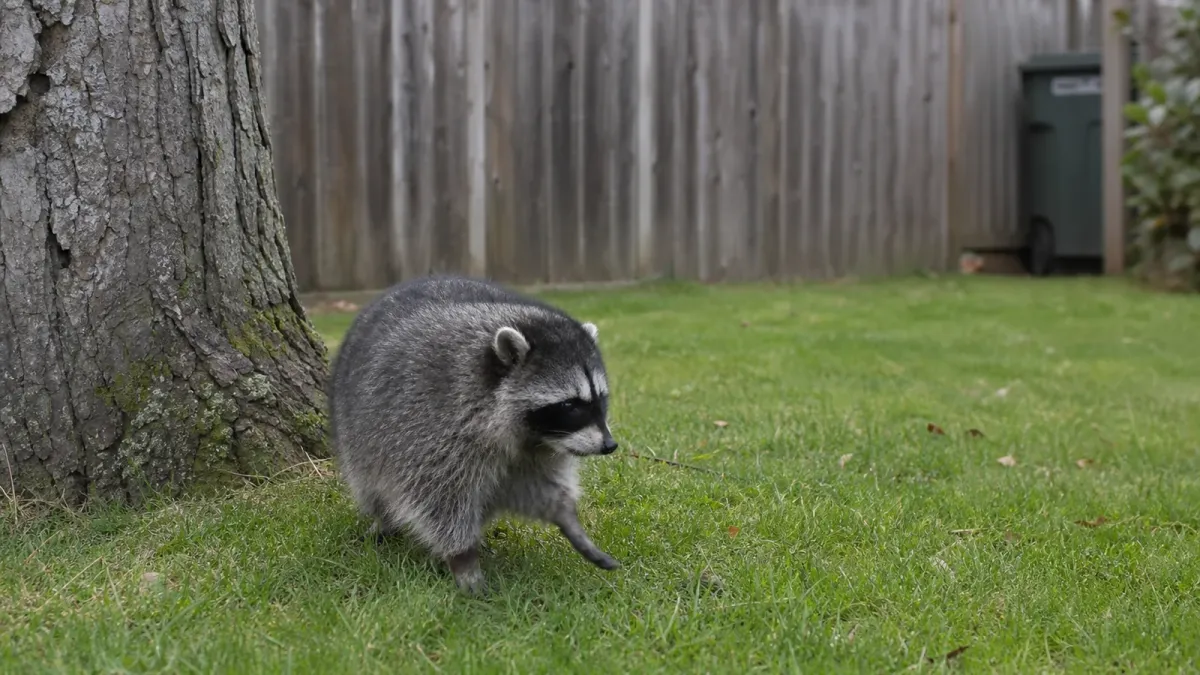
Jimothy, a compact, round-bodied raccoon seen around Seattle's Ballard neighborhood, became an internet celebrity this week after a short video of him racing across a yard spread across Instagram, Threads and other platforms. His closely spaced front and rear legs and unusually short-looking neck have inspired comparisons to a cryptid, but the most useful response to his sudden fame is much simpler: give him space.
Washington Department of Fish and Wildlife officials told KIRO 7 that they had not received calls about the animal and could not determine the cause of his appearance from video alone. The agency said Jimothy appeared able to move and feed himself and should be left alone if spotted.
That caution matters because online affection can quickly turn a wild animal into a destination. Seeking Jimothy out, offering food or trying to capture him could change his behavior, draw crowds into his range and create risks for him, people, pets and other raccoons.
Why Jimothy looks different
Videos show a raccoon with a shortened torso, little visible neck and legs positioned much closer together than on a typical raccoon. Several reports have called the condition short-spine syndrome, but that remains a description based on appearance rather than a confirmed medical diagnosis.
Marcie Logsdon, an associate professor at Washington State University's Veterinary Teaching Hospital, told The Seattle Times that she could not diagnose Jimothy without examining him. She said his shape was likely caused by a congenital deformity of the spine, meaning a developmental difference present from birth. A second veterinarian, Carrie Schneider of The Family Pet Veterinary Hospital, told KIRO 7 that the footage appeared consistent with congenital spinal shortening that can occur in other mammals.
Veterinary research on short-spine syndrome is far more developed in dogs than in raccoons. Purdue University researchers describe the canine condition as a rare group of vertebral-development malformations that shorten and compress parts of the spine. That background can explain why Jimothy's appearance prompts the comparison, but it does not establish his exact condition, prognosis or cause.
What his movement tells experts
Footage shared by Ballard residents shows Jimothy running, climbing, exploring decks and moving through yards. Logsdon said that reaching his apparent age while navigating the neighborhood suggests he has adapted. Reports disagree about whether older images show the same animal years earlier, another reason not to make firm claims about his age from social posts alone.
Mobility in a few clips cannot reveal whether an animal has pain or other health problems. It does, however, support the wildlife agency's present advice: an animal that is moving and foraging on its own does not need an improvised rescue attempt from strangers.
Why feeding Jimothy could hurt more than help
WDFW's standing raccoon guidance says not to feed the animals. Raccoons that learn to associate people with food can lose their natural caution and may become aggressive when a handout does not arrive. Food also concentrates multiple animals in one place, increasing competition and the spread of diseases and parasites.
The U.S. Department of Agriculture gives the same broad warning for wildlife. Human food may not meet an animal's nutritional needs, feeding can increase disease transmission, and animals habituated to people face more conflict and a greater chance of being struck near roads.
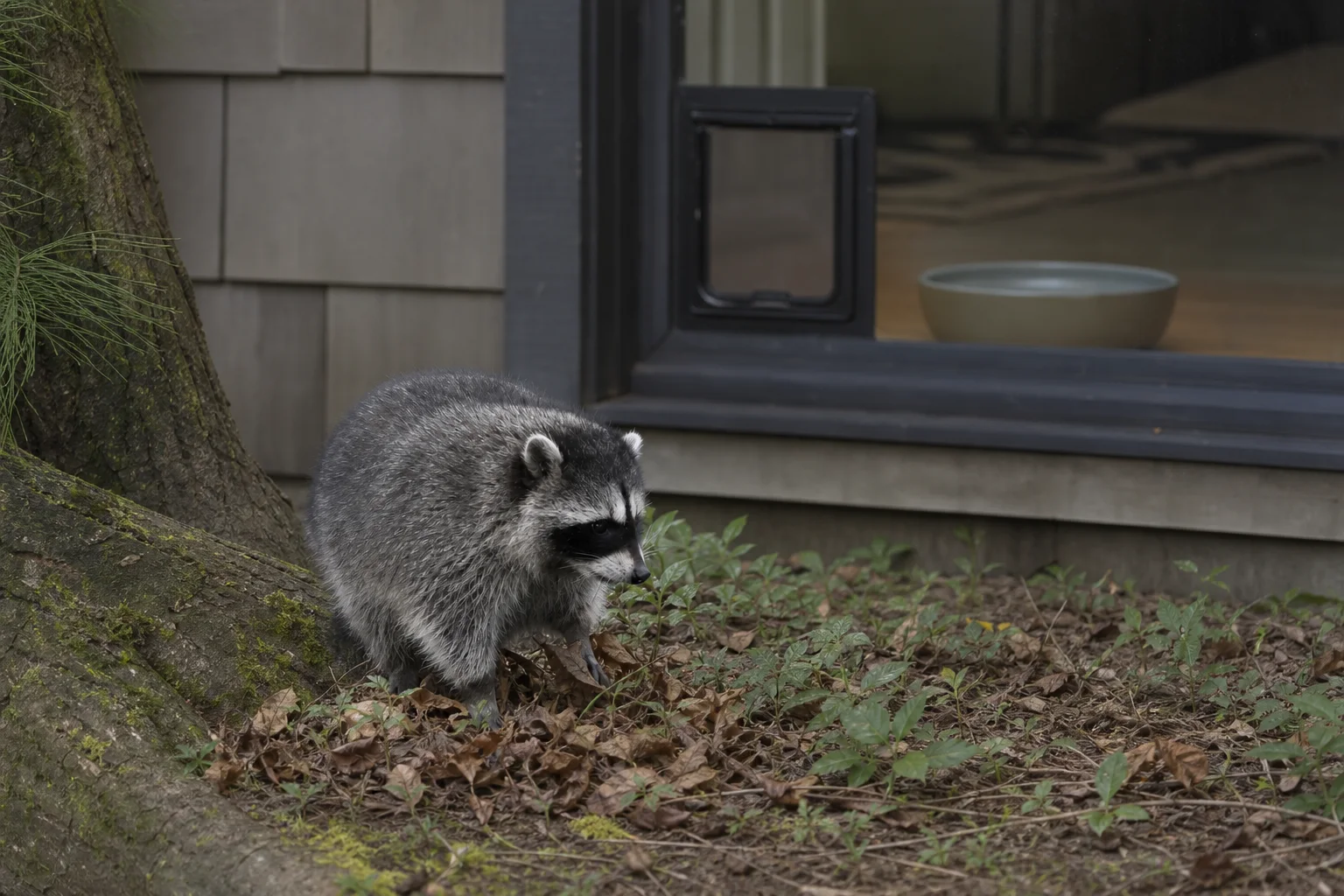
Residents can help by securing garbage, keeping pet food and water indoors overnight, locking pet doors and observing Jimothy from a distance. Photographing him without pursuing, cornering or baiting him preserves the behavior that has apparently allowed him to survive in the city.
Why the internet cannot look away
The name came from Kiana Hall, whose video helped propel the raccoon into the public eye. Local coverage says millions of views followed, along with fan art, merchandise, jokes and affectionate titles ranging from “King Jimothy” to “Seattle's cryptid.”
The attention is still accelerating. On July 17, U.S. Google search interest for “Jimothy” reached its highest level of the previous seven days, and related searches for the raccoon were labeled breakout queries. Threads posts asking who he is, sharing earlier sightings and celebrating his resilience drew thousands of reactions within hours.
Jimothy's shape is the hook, but his ability to move through an ordinary neighborhood on his own terms is the story people are responding to. The kindest way to remain a fan is to resist turning that fascination into contact. Let Seattle's newest local celebrity stay a raccoon first.


