
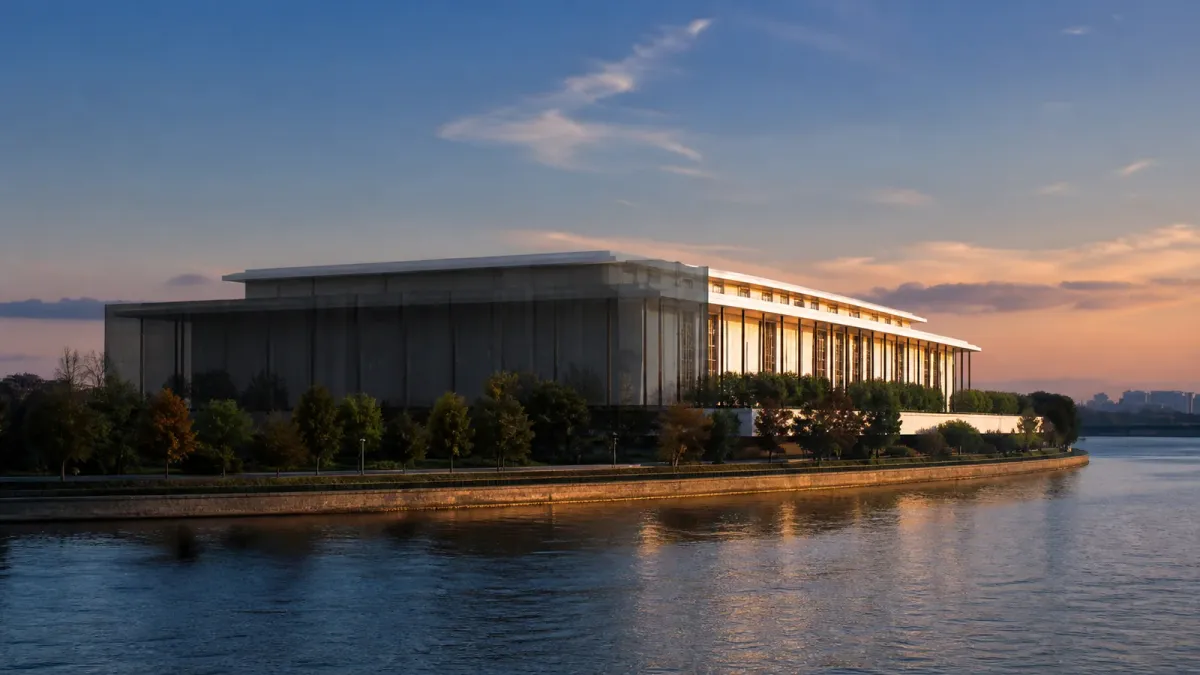
The Kennedy Center board voted Thursday, August 13, to place President Donald Trump's name on the performing arts complex and to close its main building for two years of renovations. The decisions revive two questions a federal judge addressed in May: who has authority to add another presidential memorial to the center, and whether its trustees considered the consequences of a long shutdown.
The board's plan would keep the formal name, the John F. Kennedy Center for the Performing Arts, while adding an inscription below it that credits Trump with restoring and renovating the building. The plaza would also bear Trump's name. Most indoor space would close for two years, though some programming could continue at the REACH, the center's newer indoor-outdoor complex.
What changed
The board revisited the closure after U.S. District Judge Christopher Cooper blocked implementation of its March vote. In a May 29 opinion, Cooper said trustees had made that earlier decision without enough information about programming, fundraising and the institution's duties as both an arts venue and a memorial to President John F. Kennedy.
Thursday's virtual meeting considered three approaches: a complete shutdown, a partial closure with limited public access and programming, or phased work focused on the most urgent infrastructure needs. The board chose a two-year closure of the main building while leaving open the possibility of activity at the REACH, according to reporting by The Associated Press and Axios.
Why the court order still matters
The court drew different lines around the name and the construction schedule. Cooper ruled that Congress gave the center its name and that the board could not unilaterally rename it or install another memorial-like dedication in its public spaces. That makes the proposed Trump inscription the sharper legal conflict.
On the shutdown, however, the ruling was narrower. It barred the center from carrying out the March vote because the process was imprudent, but it did not say a temporary closure was always unlawful. The opinion expressly allowed the board to reconsider after receiving enough information to make an independent decision. The new vote appears designed to use that opening, although opponents can still ask the court whether the second process met the required standard.
The practical stakes
The center's management says substantial work is necessary. Officials have pointed to water damage, corroded steel and aging cooling equipment. Axios reported that the plans include a $24.7 million Concert Hall upgrade, repairs to the marble facade and changes to the box office and other public areas.
A two-year main-building closure would affect where the National Symphony Orchestra and other resident or visiting groups can perform, as well as future touring schedules, contracts and donor relationships. The court's earlier opinion warned that uncertainty around a prolonged shutdown could make artists and specialized staff reluctant to commit to the institution.
What happens next
The inscription has not yet been installed, and the administration's appeal of the May ruling remains pending. The center did not provide an immediate public response to questions reported by AP and Axios. The next decisive step is likely to come through a new court filing over whether the inscription violates the existing order and whether Thursday's closure review was sufficiently informed.


