
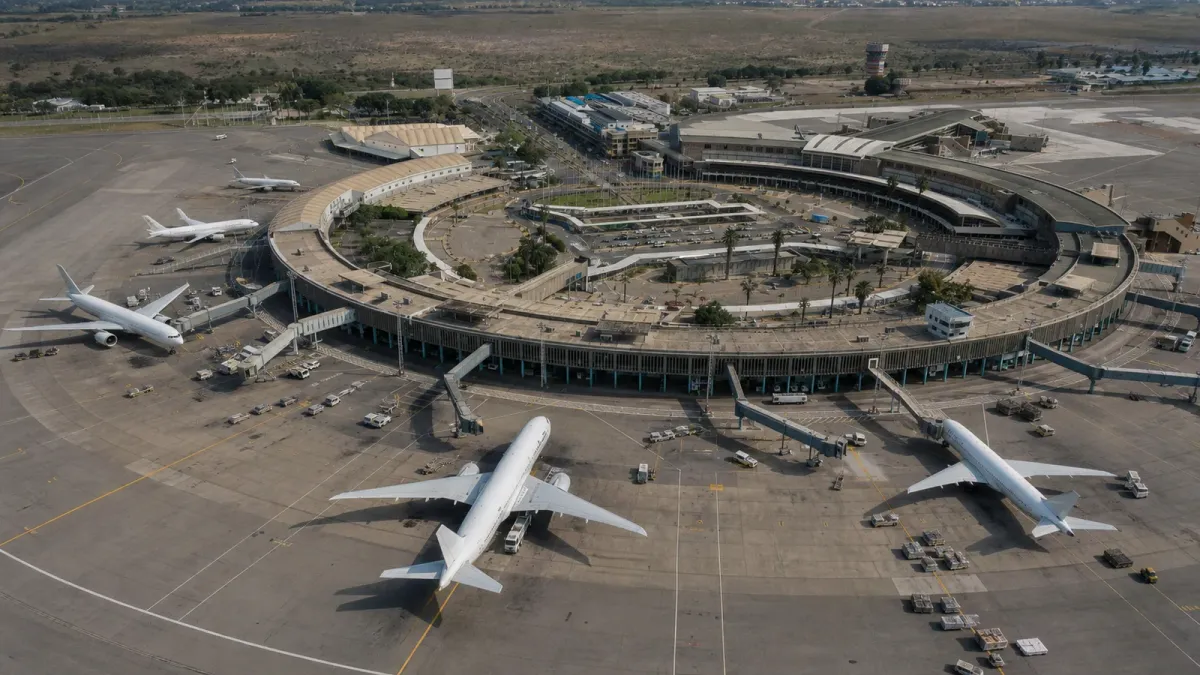
A strike by aviation workers slowed flights at Jomo Kenyatta International Airport in Nairobi on Monday, August 31, leaving travelers facing cancellations and long delays at Kenya’s main international gateway. The Kenya Airports Authority acknowledged that some flights were delayed or canceled and urged passengers to confirm their status with airlines before traveling to the airport.
The Kenya Aviation Workers Union says the dispute involves pay, alleged unfair hiring practices, job security and proposed changes to airport management. Union representatives met government officials on Sunday but did not reach an agreement, according to the Associated Press.
Kenya Airways had already reported serious disruption on Sunday. The carrier said its scheduled flights were departing an average of two to three hours late by 5 p.m. East Africa Time, after an earlier update said some departures exceeded three hours.
What changed
The disruption moved beyond a labor dispute into a network problem because Jomo Kenyatta handles domestic, regional and long-haul connections. Kenya Airways and its subsidiary Jambojet both reported extended delays. An airline status page dated August 31 listed flights to Paris, Amsterdam, Accra, Freetown, Entebbe, Johannesburg and several East African cities among the services being worked through.
The airport is not completely closed, and the available updates do not support treating every flight as canceled. Operations are continuing unevenly, which makes an airline’s live flight-status page more reliable than a general assumption about the airport.
Why the dispute matters
Union leaders oppose the use of volunteers in airport roles, arguing that it could weaken trained jobs and working conditions. They also say compensation and employment terms have not been resolved. Airport authorities, meanwhile, are trying to keep essential aviation services moving while talks continue.
The practical consequence reaches beyond passengers in Nairobi. Missed connections can affect tourism itineraries, regional business travel and cargo movements that rely on Kenya’s largest hub. Similar industrial action in February also stranded passengers before an agreement restored operations.
What travelers should do
Travelers scheduled through Nairobi should check directly with their airline before leaving for the airport, confirm the departure terminal and make sure the carrier has current phone and email details. Those with onward connections should ask the operating airline how a delay affects the full itinerary rather than booking a replacement independently before understanding rebooking rules.
Passengers should also keep receipts for reasonable expenses and save screenshots of delay notices. Eligibility for meals, hotels, rebooking or reimbursement depends on the airline, route, ticket terms and applicable passenger-protection rules, so no single remedy applies to every traveler.
What happens next
The immediate question is whether the union and government can reach terms that restore normal staffing. Until either side announces an agreement and airlines report stable schedules, travelers should expect rolling changes rather than a clean return to normal.
The core fact is simple: flights are still moving, but not on a dependable timetable. Anyone traveling through Jomo Kenyatta should treat the airline’s latest operational notice as the source of truth for the next departure.


