
A magnitude 7.1 earthquake did not strike Japan on Friday. The major quake hit Kumamoto Prefecture on Tuesday, July 28, at about 4:27 p.m. local time. The urgent development on Friday, July 31, is that the confirmed death toll rose to 34 while searches and relief work continued across southwestern Japan.
At least 96 people were injured, including six seriously, according to figures reported by The Associated Press from Kumamoto authorities. Officials had not provided a firm count of people still missing as of Friday. More than 1,500 buildings were damaged, including 179 that were destroyed.
What changed Friday
Rescuers were still working at collapsed homes and other heavily damaged sites as the response entered its fourth day. At the Aeon Mall in Kashima, firefighters searched debris after an earthquake-triggered explosion and structural collapse. Seven of 11 people pulled from the site were confirmed dead. At a Nippon Paper Industries factory in Yatsushiro, officials said nine of 11 people recovered after a chimney collapse had died.
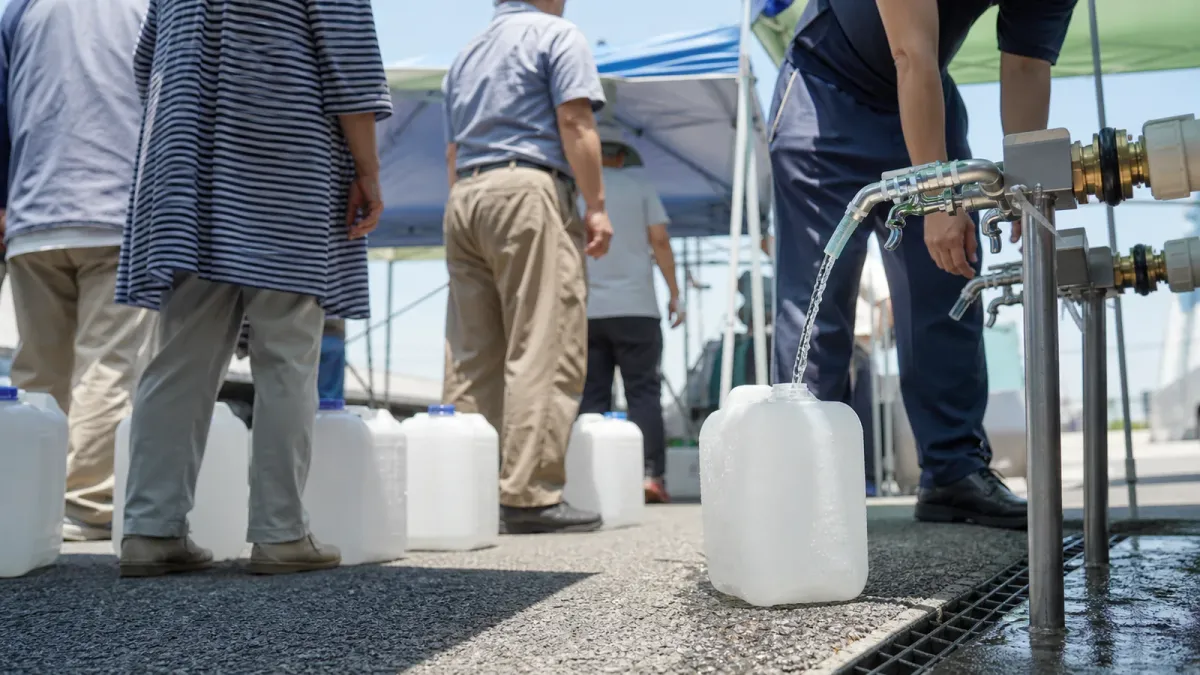
The humanitarian pressure also shifted from the first hours of rescue to the basics of shelter, water and transportation. Nearly 80,000 homes remained without running water, and more than 9,000 people were staying in shelters. Fuel shortages complicated travel and made it harder for residents sleeping in cars to keep air conditioning running.
What the earthquake was
Japan's Meteorological Agency recorded the July 28 earthquake in the Kumamoto region at magnitude 7.1 and about 10 kilometers deep. The government said the shaking reached the top level of 7 on Japan's seismic-intensity scale in Hikawa and Uki. A tsunami advisory was issued for the Ariake Sea shortly after the quake, but the current emergency is centered on rescue, shelter and damaged infrastructure.
The magnitude describes the energy released by the earthquake. Japan's intensity scale measures how strongly the ground shook at specific places, which is why the official reports can pair a magnitude of 7.1 with a maximum intensity of 7.
What remains uncertain
The missing-person count remained unsettled Friday, and damage assessments were still preliminary. Authorities were also examining one additional death to determine whether it was connected to the earthquake. Those uncertainties mean the toll and building counts may change as teams reach damaged properties and local governments consolidate reports.
Power had been restored by Friday evening, according to the local utility, but water service remained the larger disruption. Officials were adding power sources at shelters for cooling and prioritizing water deliveries while residents waited for repairs or temporary housing.
What happens next
Search crews are expected to continue checking collapsed structures, while prefectural and national authorities refine casualty and damage figures. Residents in the affected area should rely on the Japan Meteorological Agency and local government notices for aftershock information, shelter locations and infrastructure updates.
The clearest answer for readers seeing “Japan earthquake today” in search results is this: the destructive main shock happened July 28. Friday's story is the worsening human toll and the difficult fourth day of rescue and relief.


