
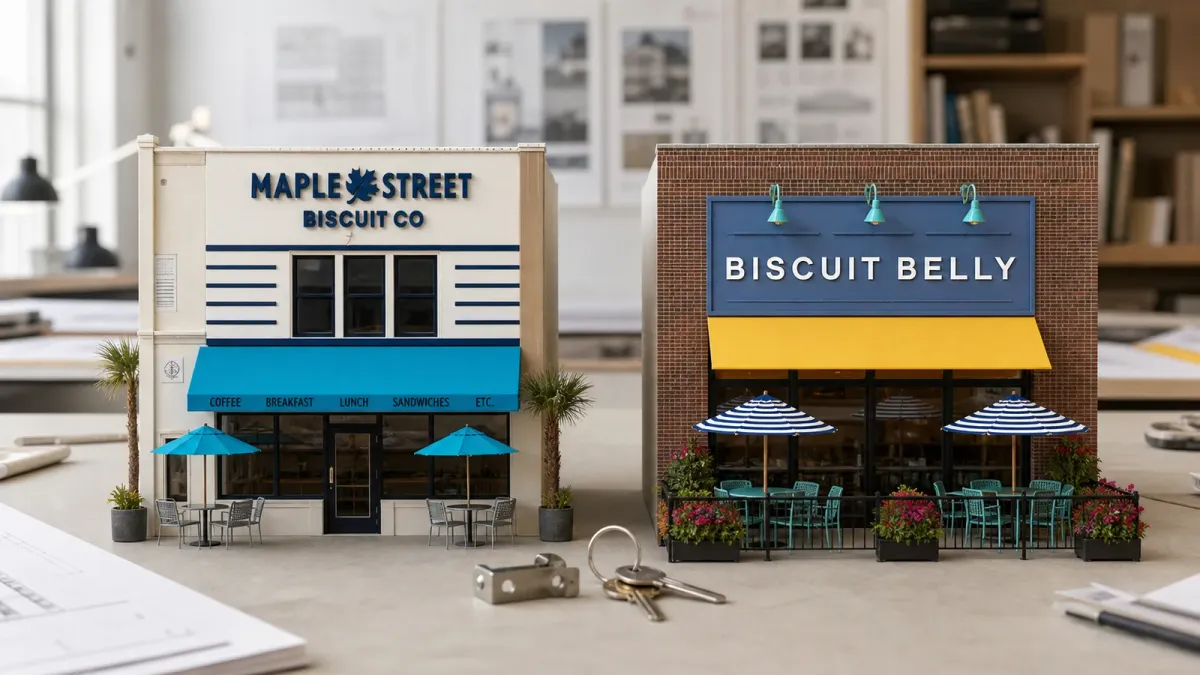
Maple Street Biscuit Company has been sold, but the deal does not give every restaurant the same future. Cracker Barrel said on July 20, 2026, that it sold the Maple Street trademark and assets used at 35 restaurants to Biscuit Belly. The remaining 16 Maple Street locations will close.
For customers, the quickest way to separate a conversion from a closure is to check Biscuit Belly’s acquired-store list. The buyer says the 35 restaurants it purchased are not planned to close and are expected to keep operating while they transition to the Biscuit Belly name, menu and design.
The financial terms of the Maple Street sale were not disclosed. A separate $77 million figure in Cracker Barrel’s announcement came from a sale-leaseback of 26 Cracker Barrel properties, not from Biscuit Belly’s purchase.
What changed
Cracker Barrel is exiting a brand it bought for $36 million in October 2019. Maple Street began in Jacksonville, Florida, in 2012 and had grown to 33 locations by the time of that acquisition. News4JAX reported that the chain had 51 restaurants before the new transaction, after closing 19 locations since spring 2025.
The new owner is a smaller Louisville-based chain with a similar breakfast focus. Biscuit Belly says it opened its first restaurant in 2019 and had grown to 15 locations before this deal. Adding 35 Maple Street sites would more than triple its footprint and help it reach more than 60 restaurants by the end of 2028, according to the company.
The numbers behind the sale
- 35 restaurants: Assets at these locations were sold to Biscuit Belly, which says it intends to keep the acquired stores open during the transition.
- 16 restaurants: Cracker Barrel says the remaining Maple Street locations will close, but its national announcement did not provide a complete address-by-address closure list.
- 18 to 24 months: Biscuit Belly’s stated window for converting the acquired restaurants to its brand.
- Less than 2%: Maple Street’s contribution to Cracker Barrel’s annual revenue, according to Cracker Barrel.
Cracker Barrel expects the exit to produce $37 million to $39 million in noncash charges in its fiscal fourth quarter, plus about $6 million to $8 million in cash charges tied to severance, lease terminations and other exit costs across fiscal 2026 and 2027. The company expects the divestiture to improve adjusted earnings before interest, taxes, depreciation and amortization beginning in fiscal 2027.
When will Maple Street become Biscuit Belly?
The buyer’s public timetable is not fully consistent. Biscuit Belly’s July 20 growth announcement posted a phased schedule marked “subject to change” that began with Florence, Kentucky, and Mason, Ohio, in the third quarter of 2026. A media FAQ updated July 21 instead says initial conversions will begin in January 2027.
That discrepancy makes local verification important. A Maple Street sign still on a building does not by itself show whether that restaurant is closing or converting, and an announced conversion quarter may move. Customers should compare their restaurant with the buyer’s 35-store list and then check the location’s own ordering page, posted notices or phone message before making a trip.
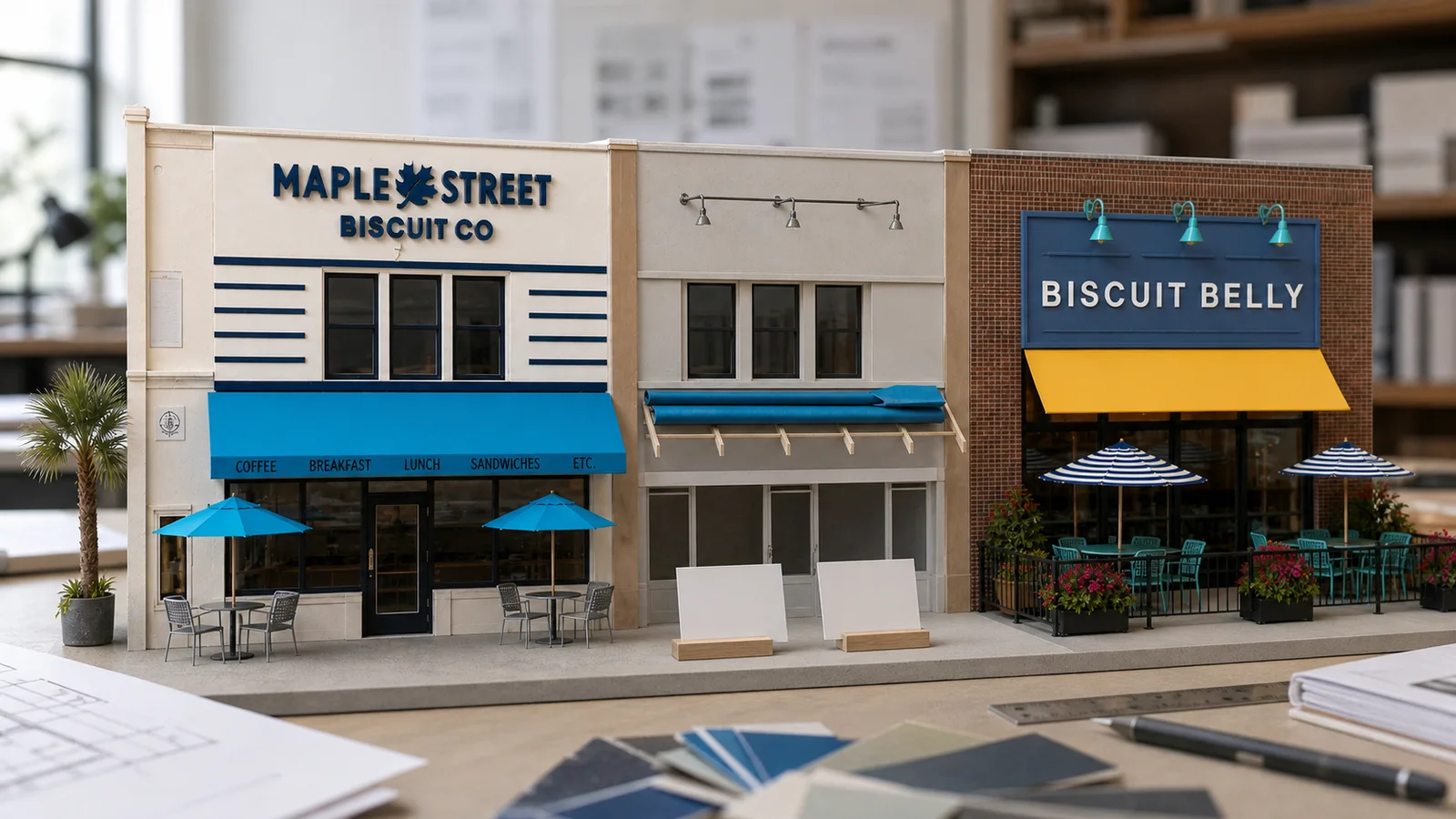
What customers and workers can expect
Biscuit Belly says it acquired the locations partly because they already have restaurant infrastructure and experienced teams. It says its priority is continuity, that it plans to invest in existing employees, and that acquired restaurants will eventually get Biscuit Belly’s menu, colorful interiors and hospitality format.
That means the sale is both an ending and a rapid expansion. Cracker Barrel is leaving the Maple Street business and sharpening its focus on the flagship Cracker Barrel chain. Biscuit Belly, meanwhile, is using a ready-made network of restaurants and teams to expand across the Southeast and into additional markets faster than it could by building every location from scratch.
What to watch next
The most useful next updates will be store-specific: confirmed closing dates for the 16 locations outside the purchase, a reconciled conversion schedule for the 35 acquired stores, and details about how menus, rewards, gift cards and mobile ordering will work during the transition. Until those details are published, the acquired-store list is the clearest official dividing line between restaurants expected to convert and those facing closure.


