
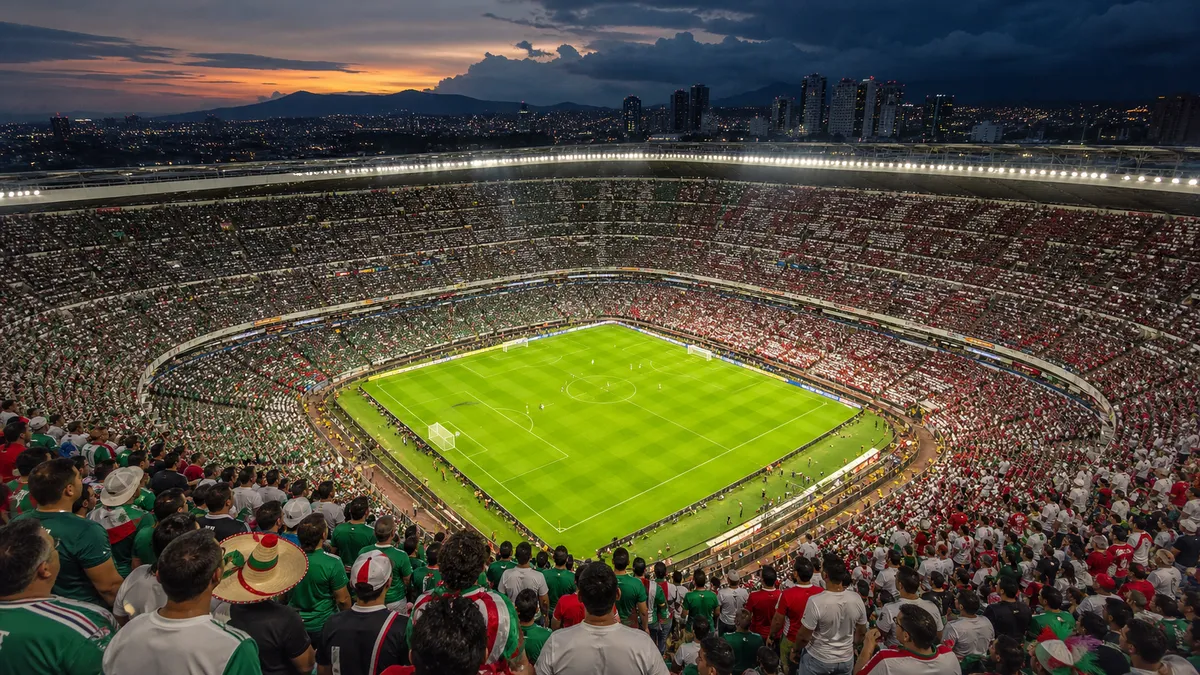
Mexico vs. England has become one of the most searched World Cup questions in the United States heading into Sunday, July 5, 2026. Google Trends' U.S. RSS feed listed "mexico game tomorrow" among its rising searches late Saturday, with the attached news cluster centered on whether the Round of 16 kickoff would move.
For now, the answer is straightforward: the match is still scheduled for Estadio Azteca in Mexico City. FIFA's match preview lists Mexico against England in the knockout round, and England's official match centre puts the fixture at 1 a.m. BST on Monday, July 6, which is Sunday night for U.S. viewers.
The timing became part of the story because organizers explored whether to shift the match earlier amid weather and logistics concerns, according to ESPN and The Wall Street Journal. Both outlets reported that the idea was dropped, leaving the original evening slot in place.
Why the kickoff question matters
A schedule change would not have been a small detail. World Cup knockout games pull in broadcasters, security plans, ticket holders, team routines and travel logistics. Moving a match at the Azteca also changes the competitive environment: afternoon heat, air quality and altitude can feel very different from an evening kickoff.
Mexico City sits more than 7,000 feet above sea level, and the Azteca has a long history of turning that setting into part of the contest. The Guardian's preview noted that England faces not only a hostile crowd but also the challenge of managing tempo and composure in conditions that can punish teams that press recklessly or chase the game too early.
For Mexico, the venue is an advantage and a burden. The host nation has momentum, a home crowd and a wave of belief after moving through the bracket. But that also raises the pressure on a team trying to turn home-field energy into control rather than chaos.
There is also a wider tournament lesson in the buildup. Knockout games are now being shaped by the same operational questions that follow other major summer events: weather windows, crowd movement, broadcast timing and player recovery. When those factors collide, even a match that has not kicked off can become a news event for fans trying to plan their day.
What each side needs to solve
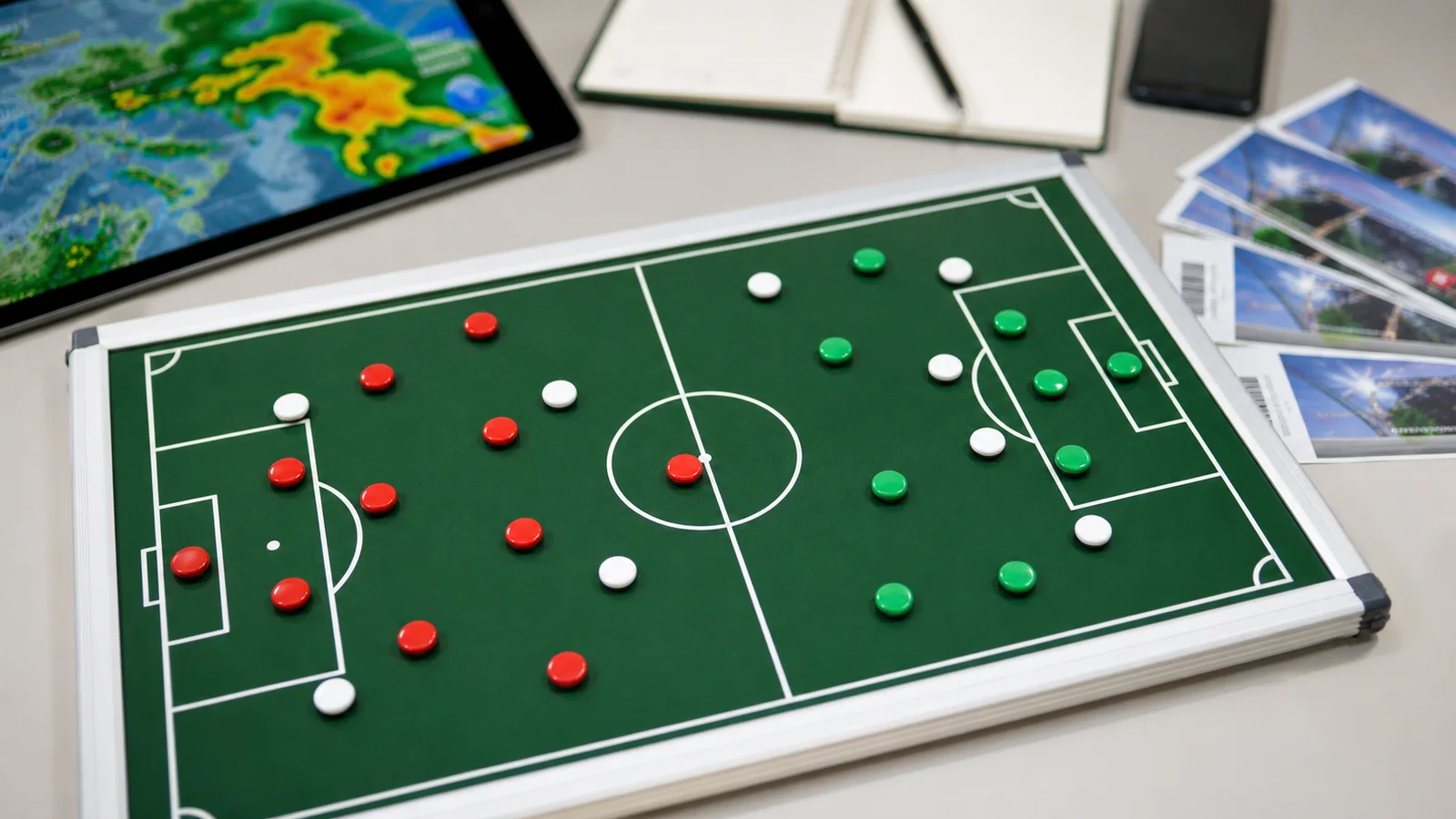
England's task is to make the match feel narrower than the occasion. That means keeping possession spells long enough to quiet the crowd, avoiding early fouls in dangerous areas and deciding when to press without turning the first 20 minutes into a sprint. In a knockout game, the worst version of England would be impatient: forcing attacks, losing second balls and letting the Azteca become a momentum machine.
Mexico's clearest path is the opposite. The hosts will want to start fast, make England defend in uncomfortable spaces and use the crowd to amplify every tackle, turnover and set piece. If Mexico can score first, the match changes from a tactical test into a psychological one.
That is why the unchanged kickoff is more than a scheduling footnote. Teams prepare their hydration, recovery, meal timing and warmups around a specific window. Fans plan travel and public celebrations around it. Broadcasters build the day around it. Keeping the slot reduces one kind of disruption, even if the weather and security planning remain active concerns.
The useful takeaway
For viewers, the practical point is to check the official match listing and broadcaster app before kickoff rather than relying on screenshots or social posts from earlier in the week. The match has drawn enough attention that old schedule-change rumors can keep circulating after the decision has moved on.
The bigger sporting point is simple: Mexico vs. England is not just another knockout tie. It is a host-nation stress test at one of soccer's most famous venues, against an England team trying to turn talent into control. If the game stays close late, the conditions, crowd and substitution choices may matter as much as the headline names.
Until the whistle, the headline is that the match remains on schedule. After that, the question becomes whether England can slow the Azteca down, or whether Mexico can make the setting feel too loud and too fast to manage.


