
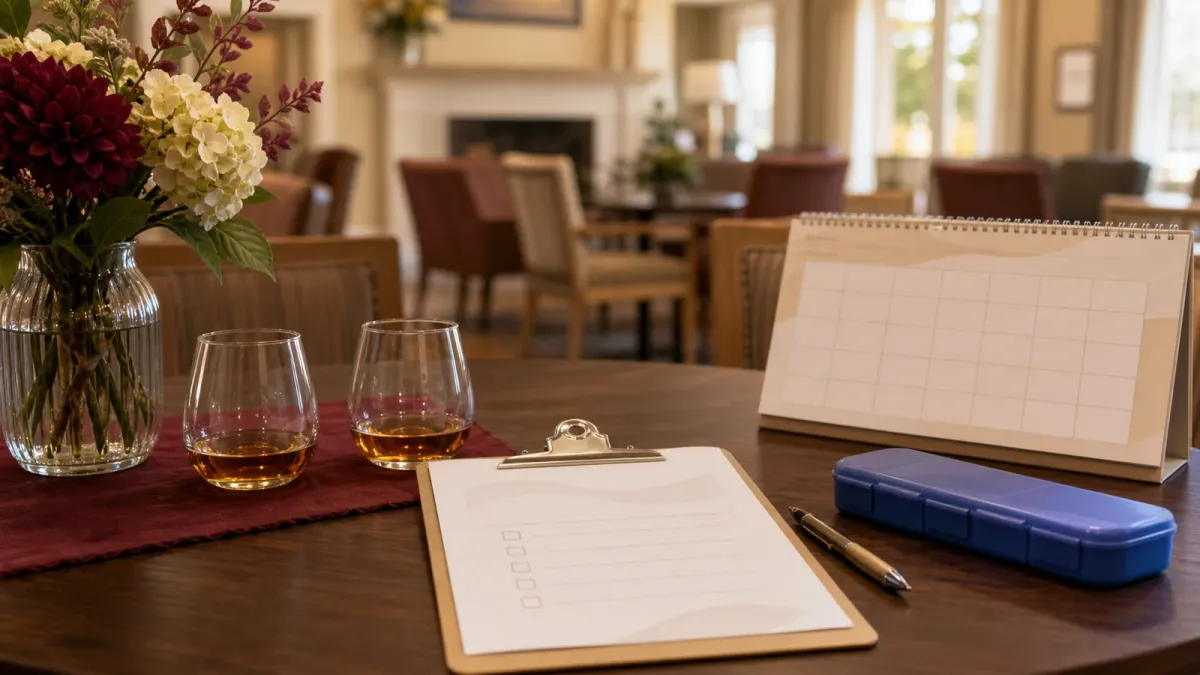
Minnesota's so-called Grandparents Happy Hour law is getting fresh attention before its Aug. 1 effective date, after Google Trends showed the phrase spiking in U.S. searches on July 20, 2026. The law creates a narrow exception that allows nursing homes, boarding care homes and assisted living facilities to serve alcohol at resident-centered events without getting a traditional liquor license.
The change does not turn senior homes into public bars. Under the session law, a facility must notify the state commissioner before allowing service, must already hold the required health license, and may serve alcohol only to residents and their guests when the guest is physically accompanied by a resident throughout the service.
The short answer
The law lets qualifying Minnesota facilities include alcoholic drinks at organized activities, such as a birthday, anniversary, renovation reception or social hour, without first finding a local liquor-license category that fits a residential care setting. Alcohol still cannot be sold or offered for any form of payment, and events must be primarily for residents and invited guests on the facility's property.
What facilities still have to check
The law keeps several guardrails in place. Facilities remain subject to Minnesota liquor rules that are not inconsistent with the new exception. State officials and peace officers may inspect during reasonable hours, and the commissioner can require corrective action or staff training before service resumes after a violation.
The law also says enforcement can apply for service to an obviously intoxicated person, unlawful furnishing, underage access or consumption, unlawful possession, unlawful storage and other alcohol-related violations. A pattern of unsafe service or a health risk tied to alcohol service or storage can be referred to the commissioner of health for investigation.
Why it became a trend
The proposal gained attention after residents and staff at Amira Choice in Champlin said they had run into licensing red tape while trying to hold ordinary social events. Minnesota House Session Daily reported in March that resident Anita LeBrun told lawmakers assisted living residents should not have fewer freedoms because of where they live. Local outlets reported that Gov. Tim Walz later marked the law with a ceremonial signing at the Champlin facility.
The search spike matters because the nickname can make the law sound broader than it is. For families, the practical takeaway is simple: ask a facility whether it has notified the state, what event rules it uses, how it monitors medication or health concerns, and whether guests must stay with the resident during service.
What to watch
Facilities planning events after Aug. 1 should treat the new exception as a compliance checklist, not a blanket permission slip. Residents and families should expect social events to remain supervised, resident-focused and separate from public sales.


