
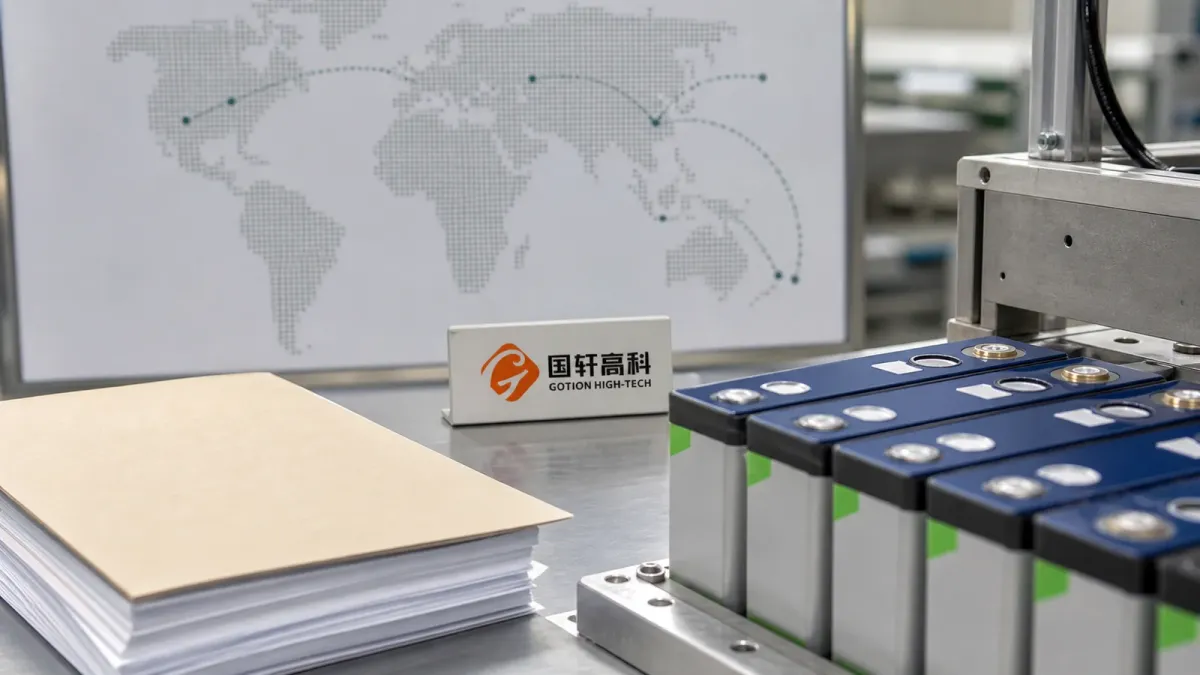
The African Development Bank approved a €100 million loan on July 24, 2026, for Gotion Power Morocco’s planned lithium iron phosphate battery gigafactory in the Rabat-Salé-Kénitra Free Trade Zone, giving Morocco’s electric-vehicle supply-chain push a new financing anchor.
The project matters because it is not just another assembly announcement. AfDB says the first phase is designed to produce 10 gigawatt-hours of battery cells and packs a year, with a longer-term path toward 100 GWh. Reuters reported the project is expected to require about $1.3 billion in initial investment.
The Numbers
AfDB said it also plans to mobilize up to €141 million from financial partners as mandated lead arranger under the New African Financial Architecture for Development. The bank described the project as the first integrated battery manufacturing plant in Africa and the Middle East and North Africa region.
The planned factory is led by Gotion High-Tech Co. Ltd., a Hefei, China-based battery manufacturer listed on the Shenzhen Stock Exchange. AfDB said the plant would make cathodes, battery cells and packs, and AP reported that the first phase is expected to create more than 600 direct jobs while targeting a 70% local industrial integration rate.
Why Morocco Wants This Plant
Morocco already has a large automotive base, including suppliers and manufacturers tied to Renault and Stellantis. Adding battery production would move the country closer to a higher-value role in the EV chain: not only building vehicles or parts, but helping supply one of the costliest components in an electric car.
The location also matters. Morocco’s proximity to Europe and its trade links make it attractive to companies trying to serve European EV demand while diversifying production beyond Asia. That opportunity brings a caveat: European officials are watching how Chinese-backed manufacturing in Morocco fits with trade rules and subsidy concerns.
What To Watch Next
The financing approval does not mean the whole industrial plan is complete. The next tests are whether the additional financing is mobilized, whether construction and commissioning stay on schedule, and whether the plant can move from first-phase output to the much larger 100 GWh target.
For readers, the short version is this: Morocco’s EV strategy is becoming less theoretical. If the project is built as planned, the country could become a more important bridge between Chinese battery technology, African industrial policy and European electric-vehicle demand.


