
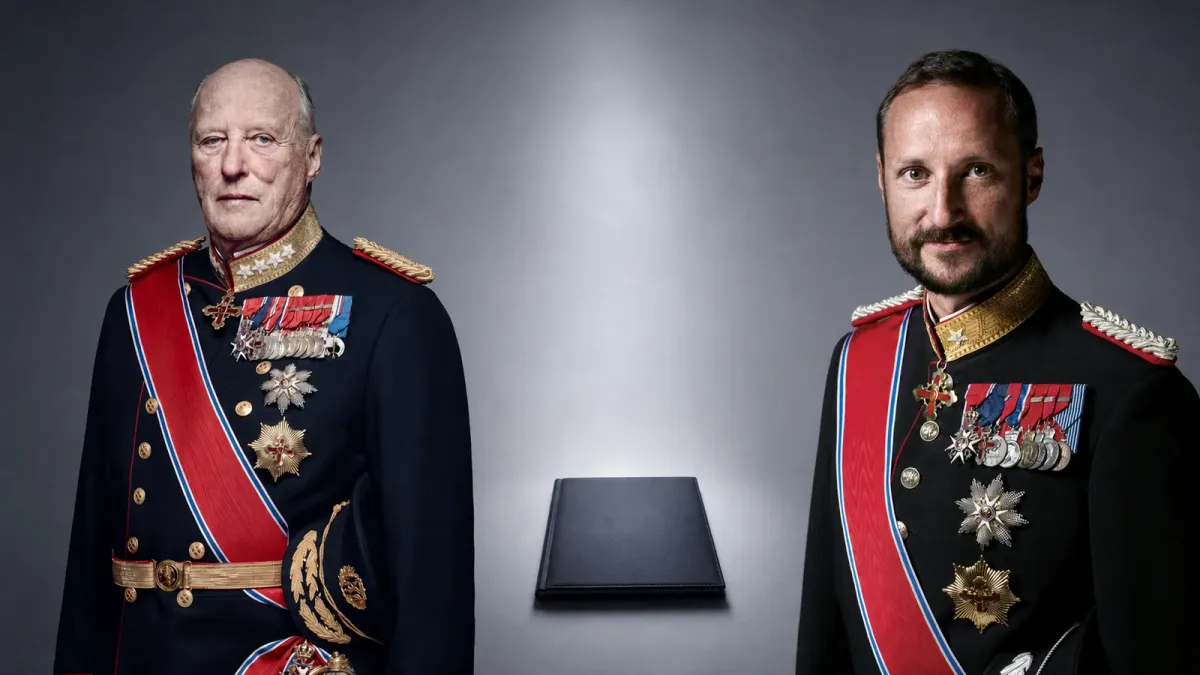
King Harald V of Norway died Friday, August 28, at age 89, ending a 35-year reign that spanned the country’s modern oil prosperity, rapid social change and a long effort to make the monarchy feel closer to ordinary Norwegians. His son succeeded him immediately and has taken the regnal name King Haakon VIII.
The Norwegian Royal Court said Harald died peacefully at Rikshospitalet in Oslo at 6:35 a.m. The government has declared a national mourning period that will continue through the funeral. Oslo Cathedral will host the service, although officials had not announced the date as of Friday.
Norway did not have to wait for a coronation or parliamentary vote to receive a new monarch. Under the Constitution, the crown passed at the moment of Harald’s death. Haakon then formally informed the Council of State that he had assumed the throne and would keep the royal motto used by his father, grandfather and great-grandfather: “All for Norway.”
What changes now
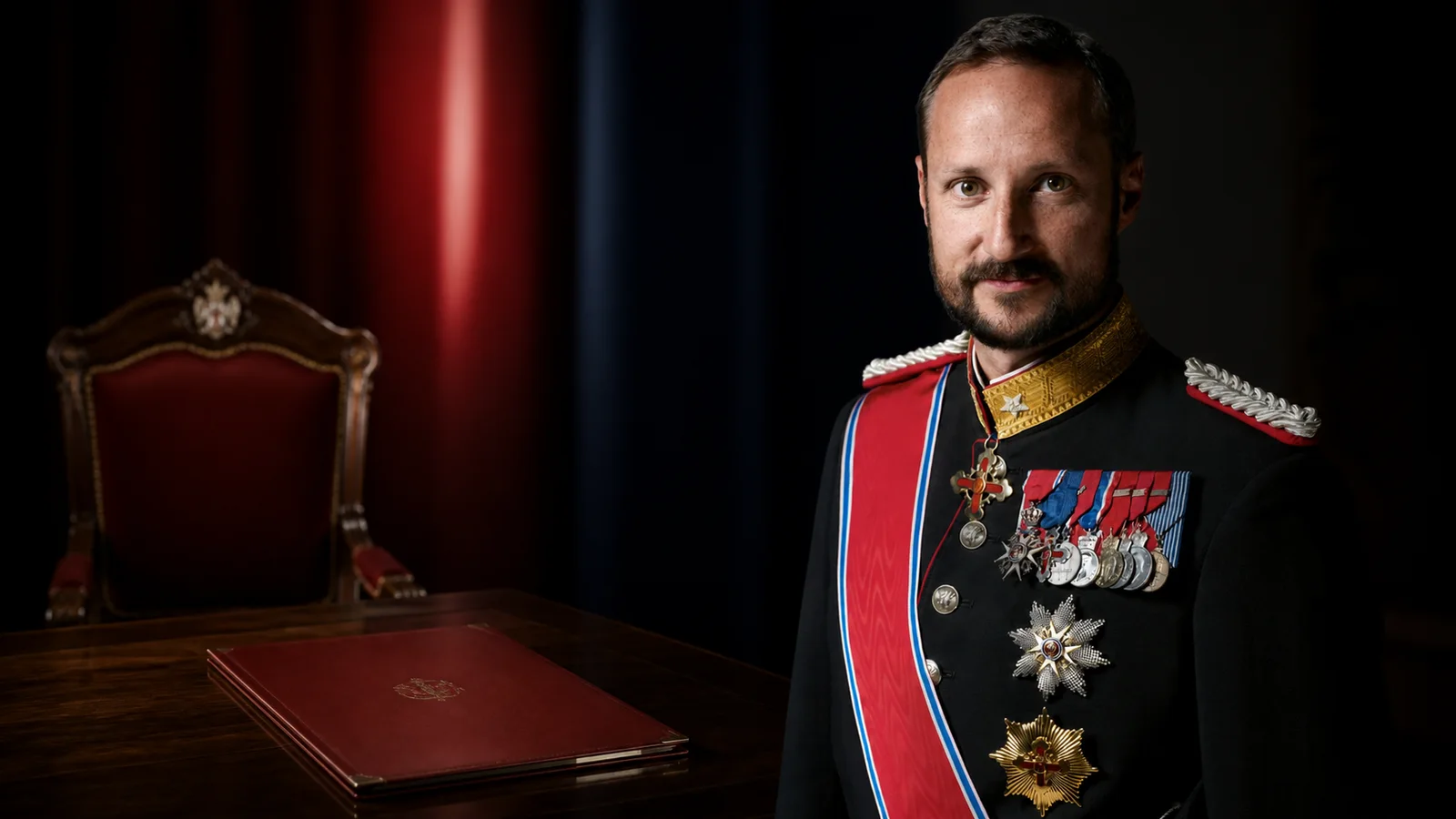
Haakon VIII, 53, becomes Norway’s head of state, while his wife becomes Queen Mette-Marit. Their daughter, Princess Ingrid Alexandra, is now the crown princess and first in line to the throne. The government, Parliament and courts continue to exercise political authority; Norway remains a constitutional monarchy in which the sovereign’s everyday role is primarily formal, representative and ceremonial.
The new king is already familiar with those duties. He served repeatedly as regent while Harald underwent treatment for health problems. His first challenge is therefore not learning the constitutional machinery but providing continuity while the royal family mourns and the public evaluates a new generation of the monarchy.
Formal observances began Friday. State buildings were instructed to fly flags at half-staff through the funeral, and the armed forces scheduled mourning salutes at nine locations. Government guidance says official and professional events may proceed during the mourning period, but should be conducted with an appropriately dignified tone.
A monarch shaped by war and social change
Harald was born near Oslo on February 21, 1937, the first heir to the Norwegian throne born in the country in roughly six centuries. He was three when Nazi Germany invaded Norway in 1940. Harald, his mother Crown Princess Märtha and his sisters spent much of the war in the United States, while his father and grandfather remained connected to the Norwegian government in exile.
He became crown prince in 1957 and king after the death of his father, Olav V, in January 1991. Harald had already broken with royal convention by insisting on marrying Sonja Haraldsen, a commoner he had known for years. The government eventually approved the marriage, and Sonja became queen when Harald took the throne.
During his reign, Norway became wealthier and more diverse. Harald’s public style emphasized national unity, tolerance and the idea that belonging was larger than ancestry or social background. Prime Minister Jonas Gahr Støre said Friday that the king helped give a changing Norway a language and enabled citizens to see the best in themselves and one another.
The monarchy Haakon inherits
The succession also arrives at a difficult moment for the royal household. Public scrutiny has focused on Queen Mette-Marit’s past contacts with Jeffrey Epstein and on the criminal conviction of her son from an earlier relationship. Haakon inherits the responsibility of restoring confidence without blurring the line between legitimate institutional accountability and speculation about private motives.
That tension will shape the early reign. The monarchy has no governing program to enact, but it depends on public trust to perform its unifying role. Haakon’s conduct, transparency and ability to represent the whole country will matter more than any single ceremony.
What happens next
Norwegian authorities are expected to announce the funeral schedule and detailed public arrangements. The national mourning period will continue until after the funeral, when flags at state institutions will return to full staff. Additional ceremonies will establish the rhythm of the new reign, but Haakon is already king.
For now, Norway is marking two events at once: the death of a monarch who connected the country’s wartime memory to the present, and the constitutional transfer to a son who has spent years preparing for precisely this moment.


