
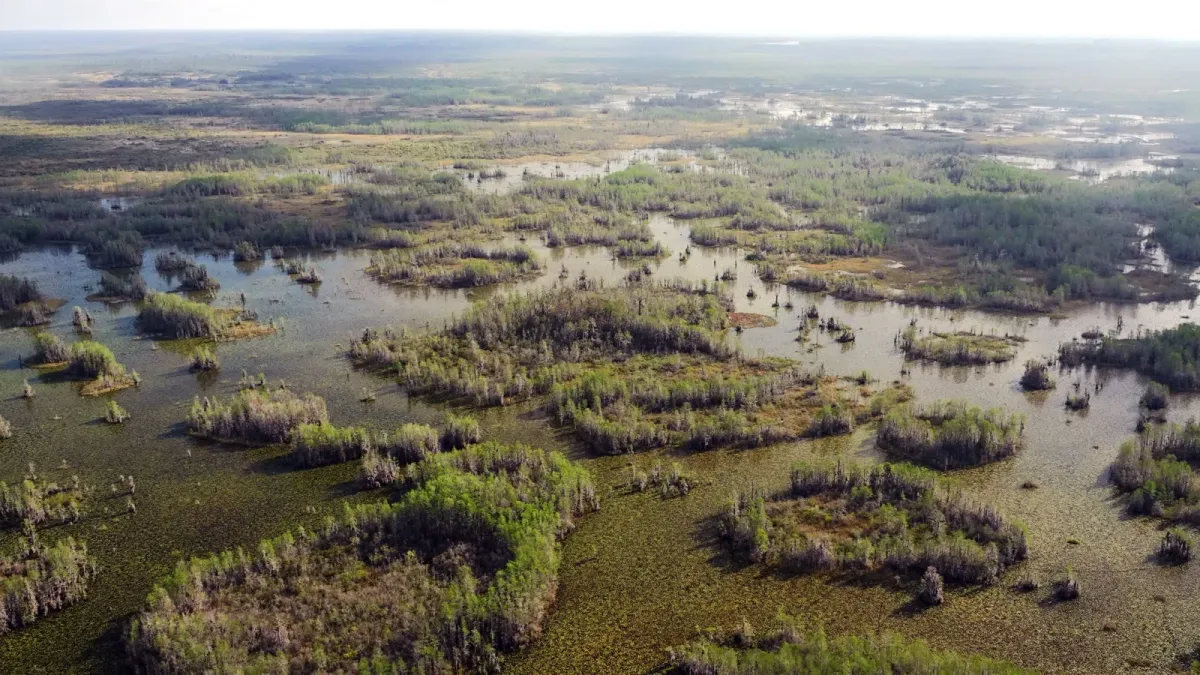
Okefenokee National Wildlife Refuge, which protects most of the Okefenokee Swamp, has joined UNESCO's World Heritage List, giving Georgia its first World Heritage destination and placing the blackwater swamp beside globally recognized natural sites such as the Grand Canyon and the Galapagos Islands.
The World Heritage Committee added the refuge on July 25, 2026, during its meeting in Busan, South Korea. UNESCO describes the property as a mosaic of wetlands, savannas and forests shaped by water, fire, vegetation and wildlife, with peat deposits that store carbon and preserve a long environmental record.
The short answer: the listing raises Okefenokee's global profile, but it does not hand the swamp to the United Nations, rewrite U.S. law or automatically block development on private land nearby.
What changed
The formal change is recognition. Okefenokee is now listed as a place with outstanding universal value, the threshold UNESCO uses for cultural and natural sites that countries agree are important beyond their borders.
The designation gives the refuge a stronger international identity. It may help conservation groups, tourism boards and local communities explain why the swamp matters: it is one of the world's largest intact freshwater ecosystems, the headwaters of the Suwannee and St. Marys rivers, and habitat for American alligators, migratory birds, threatened species and longleaf pine savanna.
It also gives supporters a new argument in future protection fights. The label itself does not create a permit veto, but it makes any threat to the swamp easier to frame as a national and global concern rather than only a local land-use dispute.
What does not change
The most important limit is management. The U.S. Fish and Wildlife Service still manages the refuge under U.S. law. Federal officials have said World Heritage status does not change refuge management, access rules or U.S. sovereignty.
That matters because some local opposition has focused on fears of U.N. control. The designation is not a transfer of ownership. It is an international listing that recognizes the value of the site already being managed by the United States.
It also does not settle every land question around the swamp. Conservationists have fought mining proposals near Trail Ridge, the geologic feature that helps hold water in the Okefenokee system. A major land sale reduced one immediate mining threat, but World Heritage status by itself does not ban future private-land proposals around the refuge. Those would still depend on state and federal regulatory decisions, land purchases, litigation or new legislation.
Why readers should care
For travelers, the listing may make Okefenokee more visible. That can be good for nearby gateway communities if more visitors book paddling trips, wildlife tours, cabins, restaurants and local services. It can also create pressure if visitation grows faster than trails, boat launches, overnight permits and staff capacity.
For climate and conservation readers, the swamp is not just scenic. UNESCO's listing highlights peat formation, biodiversity and long-term carbon storage. Peatlands can lock away large amounts of carbon when they remain wet and intact, while disturbance can weaken that storage and alter habitat.
For public-land debates, Okefenokee is a useful test case. The question is not whether a global label is powerful on its own. It is whether recognition helps local communities, state leaders, federal agencies and conservation groups make better decisions before damage becomes expensive or irreversible.
What to watch next
Watch whether Georgia lawmakers revive proposals to restrict mining near the swamp's eastern edge. Also watch how tourism agencies talk about capacity: a World Heritage listing can attract visitors, but the refuge experience depends on quiet water, dark skies, wildlife habitat and careful access.
Visitors should check official refuge rules before planning a trip. Overnight paddling requires permits, motor use is limited in sensitive areas, and seasonal hours vary. The new designation may make Okefenokee easier to find on a travel map, but the real value is still the fragile system that earned the listing.


