
OpenAI expanded its Daybreak cybersecurity program on August 10, 2026, introducing GPT-5.6-Cyber for approved defenders who need to validate exploits, study vulnerabilities and run authorized security tests that ordinary AI systems often refuse.
The practical change is access control. OpenAI is not putting its most cyber-capable workflow into a general consumer release. It is dividing Daybreak into Blue and Red tiers, with Red reserved for advanced work and paired with identity verification, account security, monitoring, approved-use limits and legal attestations.
That trust gate matters because the same model behavior that helps defenders prove a weakness can also help attackers move faster. OpenAI said GPT-5.6-Cyber completed 95.0% of requests in an internal advanced cybersecurity completion test, compared with 1.5% for GPT-5.6 Sol and 2.0% for GPT-5.6 Sol under Daybreak Blue access.
What changed
Daybreak Blue is aimed at most approved defenders. It gives access to frontier general-purpose models with safeguards adjusted for legitimate security work such as vulnerability discovery, secure code review, malware analysis, incident response and patch validation.
Daybreak Red is narrower. It gives approved users access to purpose-trained cybersecurity models for vulnerability research, exploit validation and security testing. GPT-5.6-Cyber is available through that Red tier and was trained to reduce refusals on higher-risk dual-use tasks, including exploit-chain development and zero-day research, when the work is authorized.
OpenAI also said the model has already helped its researchers find real vulnerabilities, including a high-severity Chrome V8 issue tracked as CVE-2026-15903 and reported to Google through coordinated disclosure. The company said GPT-5.6-Cyber reached a High cybersecurity capability threshold under its Preparedness Framework, but not the Critical threshold.
Why companies care
The rollout changes how many organizations may encounter frontier cyber models. OpenAI said approved security partners can keep access to the underlying models while delivering services to customers, rather than transferring the models directly. Axios reported that partners include Accenture, IBM, CrowdStrike, Cisco and Palo Alto Networks.
For companies without elite in-house security teams, that structure could make AI-assisted vulnerability testing more available through vendors. It also creates a new due-diligence question: whether a provider can clearly define the scope of an engagement, review model-generated findings and keep humans responsible for decisions before changes hit production systems.
That is a business issue as much as a technical one. A flawed AI security engagement could produce noisy reports, missed exposures or overconfident remediation steps. A well-run one should leave a paper trail: what systems were authorized for testing, which findings were reproduced, who approved fixes and how risky actions were contained before they affected customers.
What to watch next
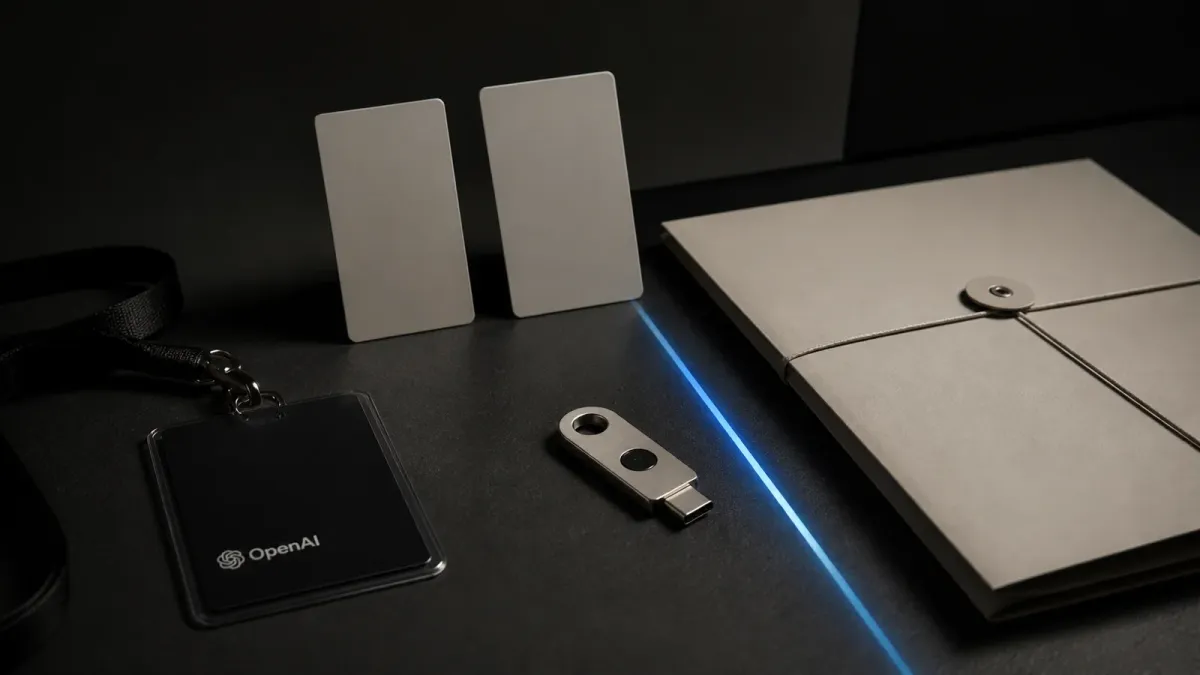
OpenAI said individual Daybreak accounts will be required to use hardware security keys beginning September 1, 2026. It also said it is encouraging Codex users in Daybreak to shift from full-access mode to auto-review mode, where higher-permission actions can be reviewed before execution.
The next test is not just whether GPT-5.6-Cyber finds more bugs. It is whether OpenAI and its partners can prove that trusted access, monitoring and human review move faster than attackers without turning defensive tools into a new shortcut for misuse.


