
The shadiest part of algorithmic rent-setting was not that a computer suggested a price. It was what the computer allegedly knew: the actual rents, discounts, lease terms, occupancy and future availability of competing landlords. A federal notice published July 16, 2026 puts that machinery—and a proposed settlement with property manager Willow Bridge—into the public record.
The short answer is that rivals did not need to sit in one room and agree on a number. The Justice Department alleges they supplied nonpublic business data to RealPage, whose software generated daily rent recommendations for competing properties. When one landlord raised prices, the system could nudge others upward, reducing the pressure to win renters with a lower price or a better concession.
How the rent-sharing machine worked
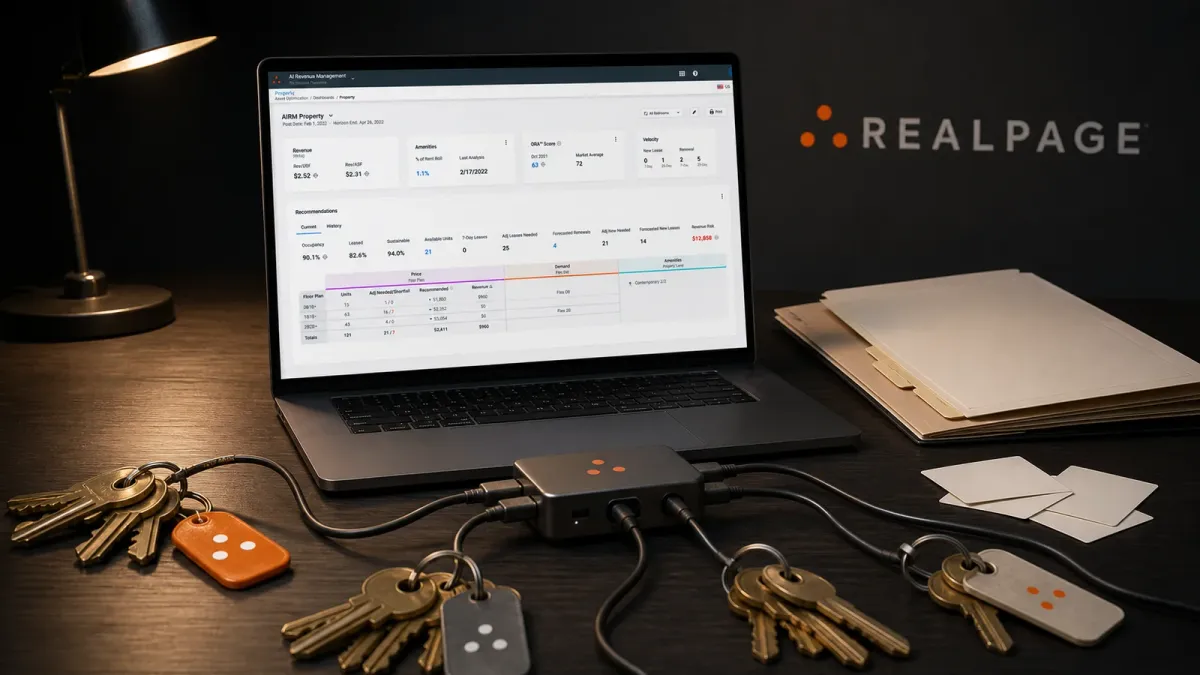
According to the federal complaint, RealPage's AIRM and YieldStar products collected detailed data nightly. That included executed rents after discounts, renewal offers, lease status, floor-plan details and forward-looking occupancy. RealPage then pooled those inputs and used them to recommend prices to landlords that competed in the same local markets.
The government says the advantage was precisely that this information was better than public apartment listings. A listed rent does not reveal the final price after a free month, how many units will soon open, or whether another building is quietly discounting. RealPage's dataset did. The complaint says one landlord described the proprietary-data model internally as "classic price fixing."
Why this was more than software advice
RealPage has said landlords always retained final control and could accept or reject recommendations. But prosecutors allege the system was designed to make agreement easy and deviation harder. Managers could accept many recommendations at once. To reject one, the complaint says, they often had to provide a specific business justification that could be reviewed or escalated.
The alleged coordination also extended beyond the screen. Federal filings describe landlords discussing rent strategy, concessions, renewal increases and software settings with rivals, including at RealPage-hosted meetings. That matters because normal competition depends on each landlord fearing that an empty unit will go to the building down the street.
What is proven—and what is contested
The case has produced a series of settlements, but the allegations have not all been tested at trial. Willow Bridge's proposed decree resolves claims without an admission of wrongdoing. If approved, it would bar the company from using pricing software that relies on competitors' sensitive data, restrict direct information sharing, require monitoring in some circumstances and make Willow Bridge cooperate in the continuing case.
RealPage disputes the central theory. The company says its recommendations move rents down or hold them steady as well as raise them, that customers exercise discretion, and that the software can reduce vacancies. Housing supply also remains a major force in rent levels; an algorithm is not the only reason rents rise or fall.
What renters can check
- Ask the property manager in writing whether a revenue-management product is used to set new-lease or renewal prices.
- Save screenshots of quoted rents, concessions and fees, because dynamic prices can change quickly.
- Compare the total lease cost—not just advertised base rent—across several independently managed properties.
- If you suspect unlawful coordination, share documents with your state attorney general or the Justice Department's Antitrust Division. Do not withhold rent or break a lease based on suspicion alone; local tenant law varies.
The July 16 notice opened a 60-day public-comment window on the Willow Bridge settlement. The larger case continues against remaining defendants. The lesson is already clear: when competitors pour their private numbers into the same black box, "the market price" may be less independent than renters were led to believe.


