
Rockstar Energy founder Russ Savage has turned Celsius Holdings’ earnings stumble into an activist fight, saying he now controls more than 12 million shares and wants the energy-drink company to remove Chairman and CEO John Fieldly.
The position represents about 4.7% of Celsius, according to Quartz coverage of Savage’s CNBC interview. Savage also said he would be willing to step in as CEO himself, arguing that the company has lost credibility with investors after a sharp post-earnings selloff.
Celsius said in a statement cited by Quartz that it welcomes potentially value-creating shareholder ideas and that board and management members have engaged with Savage many times over the past several years. The company said it remains focused on its total energy portfolio strategy.
What changed
The new pressure arrived one day after Celsius reported second-quarter 2026 results. The company said on Aug. 6 that revenue rose 10.6% from a year earlier to $817.9 million, but net income fell 45% to $55.3 million and adjusted EBITDA declined 12% to $184.2 million.
The gap investors are watching is inside the brand mix. Celsius said Alani Nu generated about $364.4 million in sales during the quarter and Rockstar Energy contributed $66.5 million, while the core CELSIUS brand’s revenue fell about 11.7% from a year earlier.
Management tied the CELSIUS decline to higher promotional spending, shipment timing, softness in the club channel, fewer new launches, and SKU optimization work connected to integrating Alani Nu and the U.S. and Canada rights to Rockstar. Fieldly said the company is trying to improve assortment productivity and return CELSIUS to sustainable growth.
Why investors care
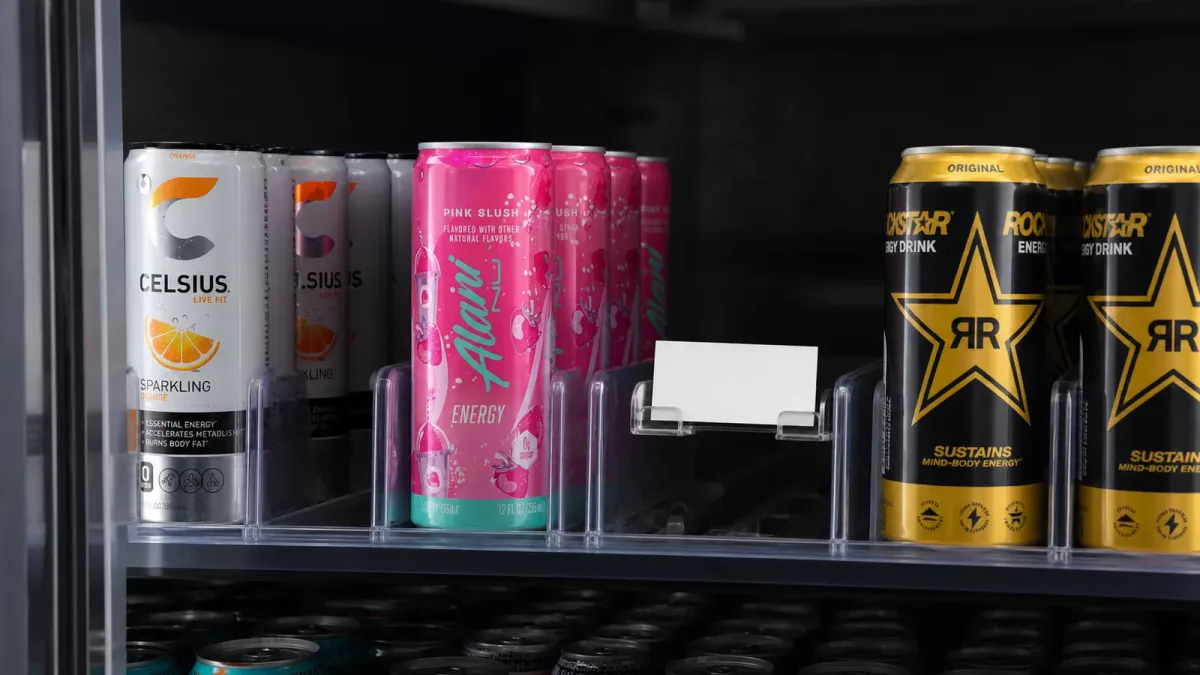
Savage’s criticism lands because shelf space is the central battleground in energy drinks. If retailers reduce space for a slowing brand, the lost visibility can be hard to win back against rivals such as Red Bull and Monster.
That is why the stake is larger than a routine complaint from a shareholder. Savage built Rockstar before selling it to PepsiCo for more than $4 billion in 2020, and Celsius now owns Rockstar’s U.S. and Canada business as part of its broader portfolio. His argument is that Celsius has the brands but needs fewer management layers and clearer accountability.
The company’s own numbers cut both ways. Celsius reported that its total portfolio held about 20.1% dollar share of the U.S. ready-to-drink energy category for the 13 weeks ended June 28, 2026, and contributed about 30% of the zero-sugar category’s dollar growth. But the flagship CELSIUS brand lost retail sales and reported revenue momentum during the same period.
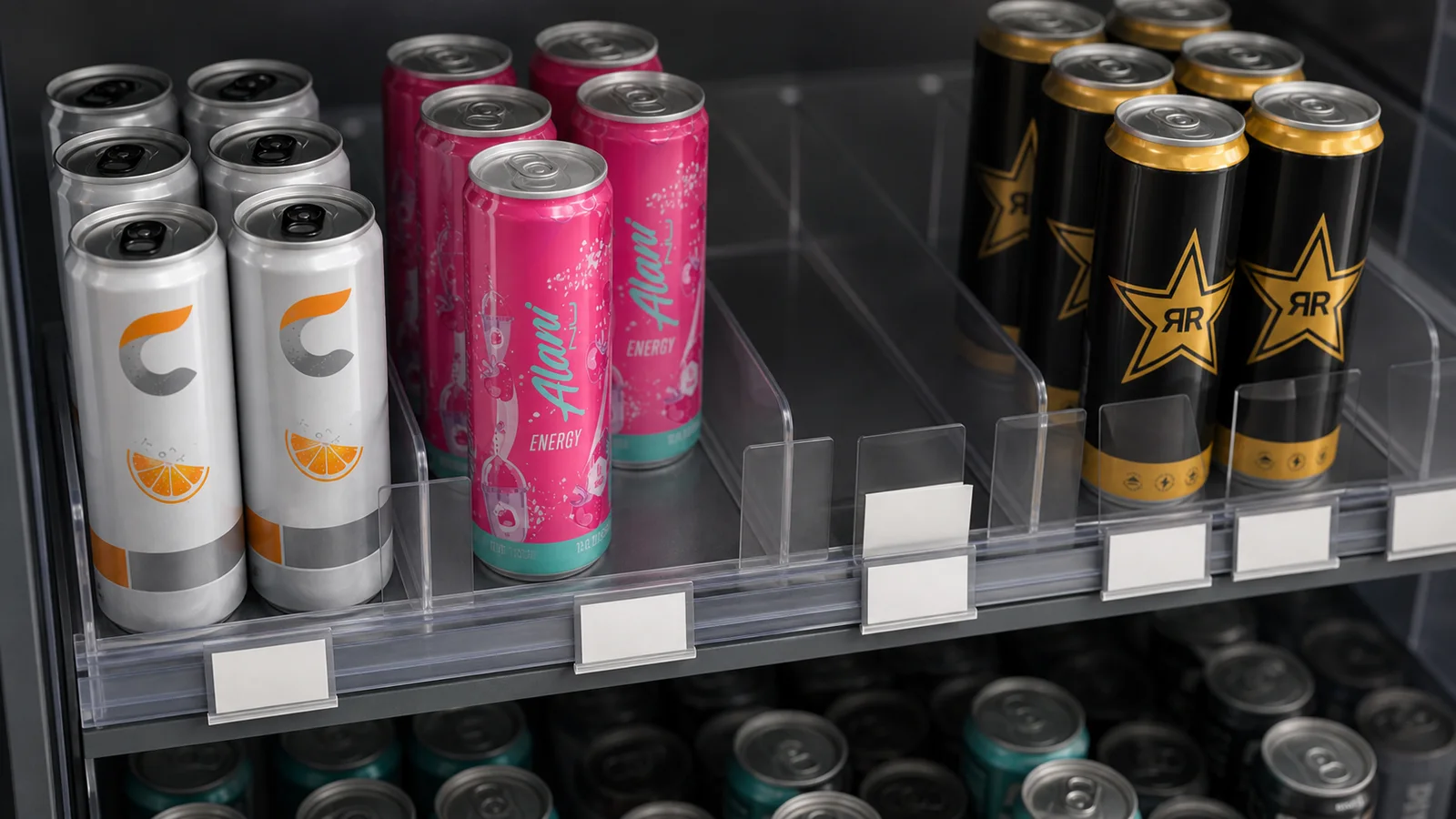
The timing also matters because Celsius is still integrating two major additions. Alani Nu moved into the PepsiCo distribution system after Celsius bought the brand in 2025, while Rockstar’s U.S. and Canada rights gave Celsius a classic energy-drink label to manage beside its fitness-positioned core. The leadership fight is therefore also a test of whether one company can run three distinct energy brands without blurring their roles.
The caveat
A 4.7% stake can create public pressure, but it does not automatically change control of a public company. Savage would need support from other shareholders, board leverage, or a formal campaign to force leadership changes if management resists.
It is also not clear from the public reports whether Savage has filed a formal activist document or how much of his position may be held in ways that trigger additional disclosure requirements. Investors should separate the public pressure campaign from confirmed governance steps.
What to watch next
The first signal is whether Celsius responds beyond its initial statement. A longer board response, a meeting disclosure, or a new filing would show whether the company treats Savage as a serious activist threat or a vocal investor.
The second signal is the shelf-space story. Celsius said it cut average SKUs and accepted short-term disruption while trying to improve productivity. If later retail data shows the remaining products are gaining sales per distribution point, management gets evidence for patience. If the core brand keeps losing space, Savage’s campaign becomes easier to sell to other shareholders.
For consumers, the fight may show up less as boardroom drama than as what is available in stores. Celsius, Alani Nu and Rockstar are now being managed as one portfolio, and the company’s next moves could decide which cans get more cooler space, which flavors disappear, and how aggressively the brands compete for the same energy-drink customer.


