
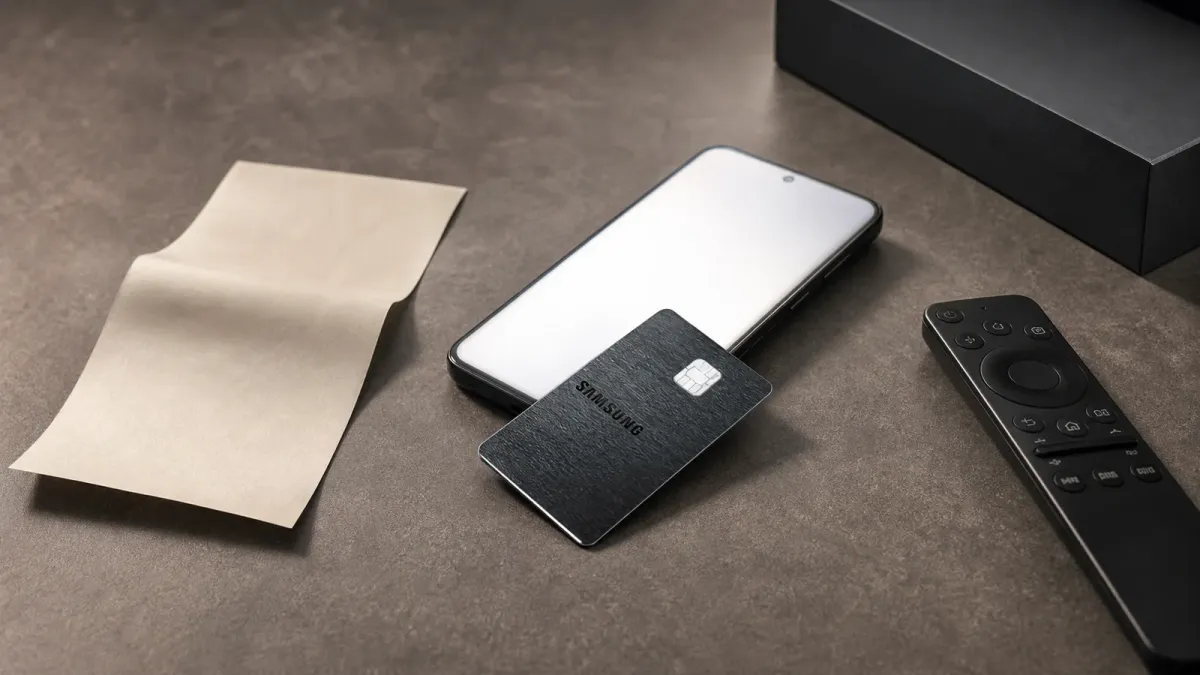
Samsung now has its own U.S. credit card, and the early question is not just whether the rewards look good. It is whether the card fits the way you already buy Samsung products, use mobile wallets and handle credit-card balances.
Samsung Electronics America and Barclays announced Samsung Galaxy Card on July 20, 2026. Samsung says general public applications begin July 22, and the card will be issued by Barclays US Consumer Bank on the Visa network. It can be used as a virtual card in Samsung Wallet and as a physical metal card.
The short answer
The Samsung Galaxy Card looks most useful for people who already spend heavily with Samsung or regularly use Samsung Wallet. The headline rewards are 5% cash rewards on eligible purchases made directly with Samsung, 3% on purchases made with Samsung Wallet, 2% on eligible streaming services and 1% on other purchases, with terms applying.
That does not automatically make it the best everyday card. If you carry a balance, interest charges can wipe out the value of rewards. If you do not use a compatible Samsung phone or watch, the card's wallet-first features may matter less than they do in the launch pitch.
Do this first
Check where you actually spend. The strongest category is direct Samsung spending, including eligible purchases through Samsung.com, Samsung Experience Stores, the Shop Samsung app and other listed Samsung channels. That is meaningful if you are buying a Galaxy phone, TV, appliance, protection plan or accessories. It is less meaningful if your Samsung spending happens once every few years.
Separate the 3% wallet rate from the physical-card rate. Samsung and Barclays say purchases made with Samsung Wallet can earn 3%, while other purchases earn 1%. That difference matters. A person who taps to pay with Samsung Wallet for commuting, drugstore runs and quick-service meals may see more value than someone who mostly inserts or swipes a physical card.
Read the terms before counting the streaming reward. The announced structure includes 2% cash rewards on streaming services such as Netflix, Disney+ and Spotify. Before applying for any card because of a bonus category, check the issuer's current eligible-merchant list and exclusions. Streaming charges can code differently when they are bundled through a phone carrier, app store, cable package or promotional plan.
Compare the welcome offer with your normal budget. Samsung says new qualifying cardmembers can earn $200 in cash rewards after spending $2,000 in the first 90 days. A welcome offer is only useful if the spending target fits purchases you would have made anyway. Do not move up a device purchase or add unnecessary spending just to hit a bonus.
Check these details
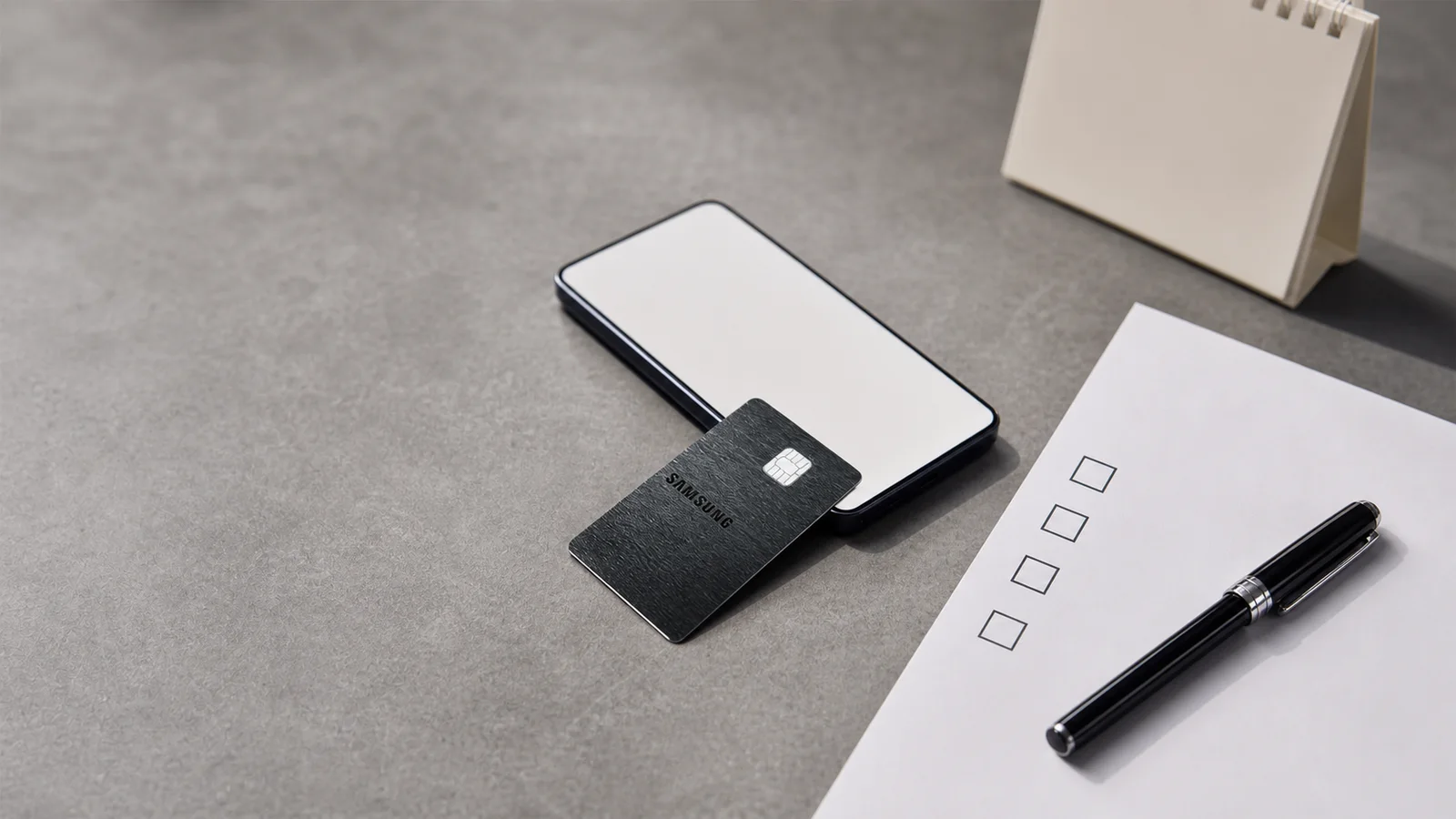
The card has no annual fee, according to Samsung and Barclays, and Wired reported that it has no foreign transaction fees. Those are useful features, but they do not answer the bigger question: what annual percentage rate would you receive, and would you ever pay it?
Samsung says the annual percentage rate varies by cardmember. That is normal for credit cards, but it means rewards should be weighed against your own credit profile and payment habits. A 3% or 5% reward does not help if a revolving balance starts collecting interest. The simplest test is whether you can set the card to autopay the full statement balance from an account that reliably has enough cash.
Also check the device dependency. Samsung says the Wallet app requires a compatible smartphone running Android 9.0 or higher and a Samsung account. Wired reported that the card is not limited to Samsung device owners, but the main wallet features are tied to Samsung Wallet. If you might switch to an iPhone, a Pixel or another non-Samsung device, make sure you understand how account management and rewards access would work outside the Samsung ecosystem.
Common mistakes
The first mistake is treating a co-branded card as a lifestyle upgrade instead of a payment tool. Samsung, Barclays and Visa are building the card around Samsung Wallet and the broader Galaxy ecosystem. That may be convenient, but convenience is not the same as value.
The second mistake is comparing only the top reward rate. A card with 5% in one narrow category can still be weaker for everyday use than a simpler cash-back card if most of your spending falls outside that category. Look at a full month of real transactions before deciding whether the card's categories match your life.
The third mistake is ignoring return windows, trade-in chargebacks and device-financing terms. Samsung often pairs device launches with reservations, trade-ins and preorder incentives. If you use a new card during a phone launch, keep the card reward separate from the device discount, trade-in estimate, protection plan and financing offer so you know which benefit depends on which condition.
When it may make sense
The card is easiest to justify for a Samsung loyalist who buys directly from Samsung, uses Samsung Wallet frequently and pays credit-card bills in full. It may also be useful for someone planning a near-term eligible Samsung purchase and already budgeting for the welcome-offer spend.
It is harder to justify as a primary card for someone who rarely buys Samsung products, prefers another mobile wallet or wants one card with broad grocery, dining, gas or travel rewards. In that case, the Galaxy Card may still be interesting, but it should be compared against cards built around your biggest recurring expenses.
What to watch
Applications for the general public are scheduled to begin July 22, 2026, the same day as Samsung's Galaxy Unpacked event. Before applying, review the live Barclays terms, the Samsung Wallet requirements, the rewards exclusions, the APR range and any fees that apply after approval.
The practical bottom line is simple: if the card rewards behavior you already have, it may be worth a closer look. If it nudges you toward more device spending, more subscriptions or a balance you cannot immediately pay off, the rewards are probably not the real deal.


