
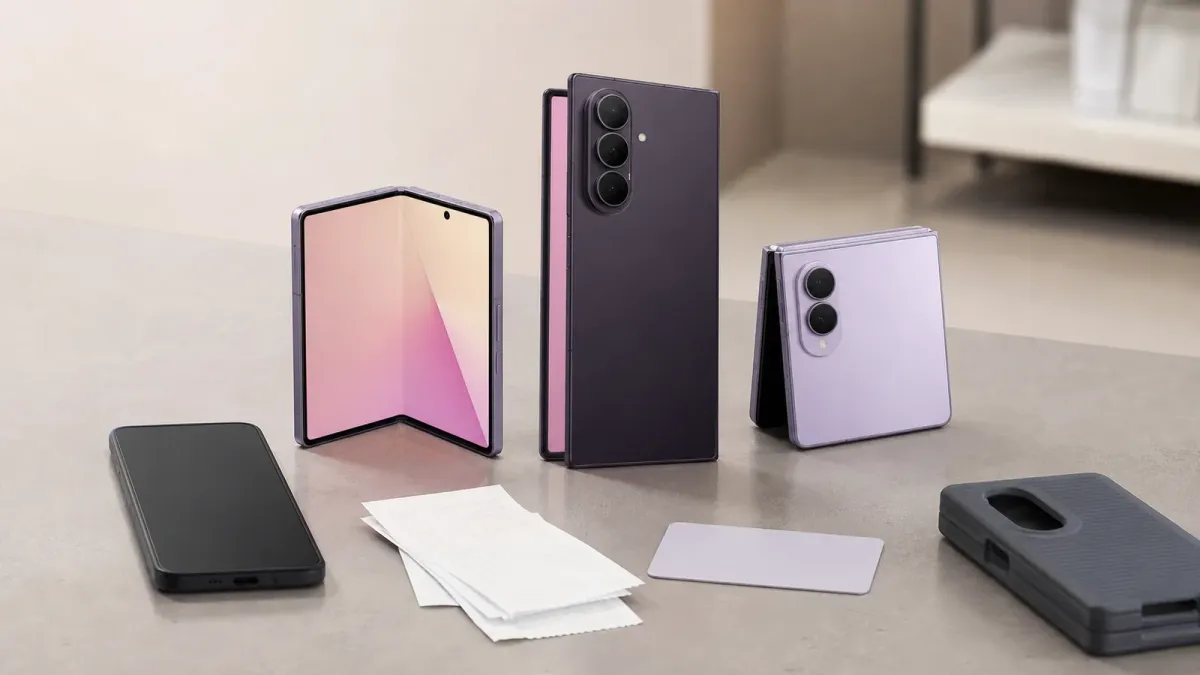
Samsung has turned this year's foldable-phone launch into a choice problem, not just an upgrade prompt. The Galaxy Z Fold8, Galaxy Z Fold8 Ultra and Galaxy Z Flip8 are available for preorder now, with general availability scheduled for August 7, 2026, according to Samsung's U.S. newsroom.
The short answer: do not start with the most expensive model. Start with the job you want the phone to do. Samsung is now selling three different foldable shapes, with the Fold8 aimed at reading and media, the Fold8 Ultra aimed at productivity and camera work, and the Flip8 aimed at portability and quick interactions.
That matters because the prices are no longer casual-phone prices. Samsung lists the Galaxy Z Flip8 from $1,199.99, the Galaxy Z Fold8 from $1,899.99 and the Galaxy Z Fold8 Ultra from $2,099.99 before trade-ins, promotions, accessories or protection plans.
The short answer
Buy a new foldable only if the screen shape solves a real daily problem for you. If your main use is ordinary messaging, photos and short videos, a less expensive slab phone may still be the better value. If you read long articles, watch video, multitask, edit photos or want a compact phone that props itself up, Samsung's new lineup gives you more specific choices than earlier one-size-fits-most foldables.
1. Screen shape is the real upgrade
The Galaxy Z Fold8 is not just a smaller version of the Ultra. Samsung says the Fold8 uses a 5.5-inch cover screen and a 7.6-inch main display, with proportions designed for reading, gaming and watching video. The company pitches it as the foldable for people who want a phone that still feels familiar when closed but opens into a wider canvas when the task needs room.
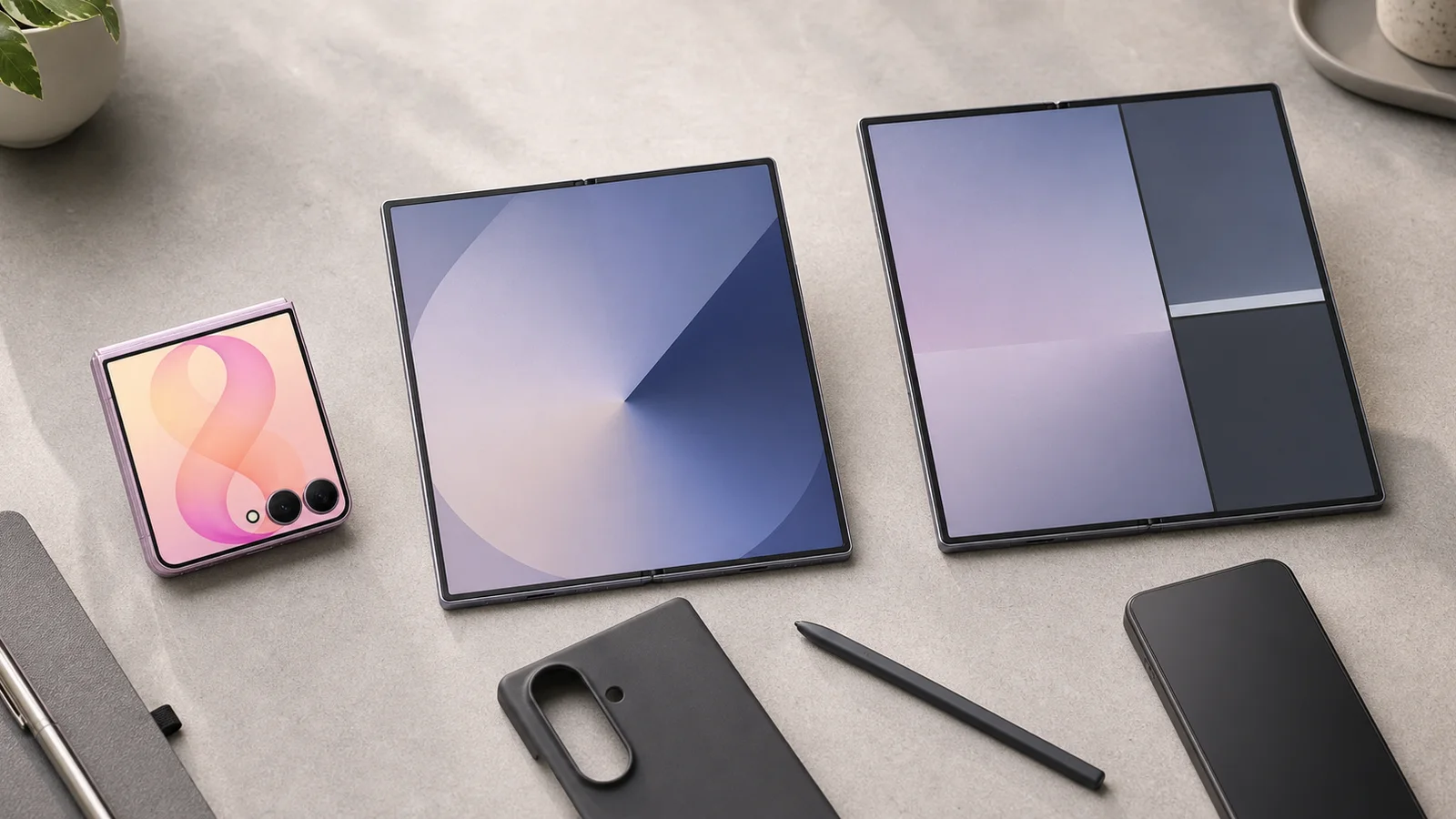
The Fold8 Ultra moves in the opposite direction: it is the model for people who want the largest workspace. Samsung lists an 8-inch main display, a 6.5-inch cover screen and a 215-gram body. That makes it better suited for split-screen work, editing and heavier multitasking, but it also means you are buying a larger, more expensive device.
The Flip8 solves a different problem. It is not a pocket tablet. It is a compact phone built around quick checks, selfies and a cover display Samsung calls FlexWindow. If the appeal is pocketability, not tablet-style work, the Flip8 belongs in the comparison.
2. The Ultra premium should buy a task, not status
The $200 gap between the Fold8 and Fold8 Ultra is smaller than the gap between either foldable and a conventional flagship phone, but it still should buy something concrete. Samsung says the Ultra adds an 8-inch main screen, a 200-megapixel main camera, a larger 5,000 mAh battery and a thinner unfolded design. Those upgrades matter most if you already use your phone for document review, photo work, content creation or frequent side-by-side apps.
If your everyday use is streaming, reading and browsing, the regular Fold8 may be the more disciplined choice. Samsung describes it as the lightest Galaxy Z Fold yet at 201 grams, with a 4,800 mAh battery and a shape built around content consumption. The question is not whether the Ultra is better on paper. It is whether the extra hardware changes your day.
3. Durability is better, but still worth checking
Samsung says its new Flex Titanium display structure is designed to make the Fold8 thinner while supporting durability and reducing crease visibility. That is a meaningful claim for a category where the hinge, inner screen and long-term wear still matter more than a standard spec-sheet race.
Before buying, check three practical details: the water and dust rating for the exact model, the cost of Samsung Care+ or carrier protection, and what your warranty covers if the inner screen or hinge fails. Foldables have improved, but they still have moving parts that ordinary phones do not. A preorder discount can disappear quickly if the protection plan, case and repair exposure make the total cost uncomfortable.
4. AI features should pass a privacy check
Samsung is pairing the new Galaxy Z series with Galaxy AI, Gemini Intelligence and a six-month Google AI Pro trial. The useful part is not the branding; it is whether the AI features save steps in real tasks such as summarizing notes, moving information between apps, handling travel details, searching with screen context or helping with photo edits.
The check is simple: identify two AI tasks you would use every week and then review the privacy controls before you depend on them. Samsung says One UI 9 includes an AI Assistant Activity dashboard and privacy alerts, along with Knox protections. Treat those as settings to inspect, not marketing copy to assume. The more personal the assistant becomes, the more important it is to know which features run on device, which require cloud processing and which permissions are active in the background.
5. Trade-in math can distort the decision
Samsung says buyers can get up to $1,200 with an eligible trade-in or up to $200 without a trade-in during preorder. That can make a foldable look dramatically cheaper, but the final value depends on the device you surrender, condition rules, carrier terms, storage choice and whether bill credits lock you into service.
Do the comparison in this order: first, price the phone without a trade-in. Second, add the protection plan, case, charger if needed and taxes. Third, compare Samsung, carrier and retailer offers using the same storage level. Fourth, check whether the trade-in credit is instant, delayed or spread over monthly bills. Only then decide whether the foldable premium is worth paying.
How to choose
Pick the Flip8 if you want a smaller phone and mostly care about quick tasks, selfies and portability. Pick the Fold8 if your main reason to switch is reading, video and a wider unfolded screen without paying for every Ultra feature. Pick the Fold8 Ultra if you know you will use the larger screen, camera system and multitasking hardware enough to justify the price.
The better strategy is to delay the preorder until you can answer one sentence honestly: this foldable replaces or improves a task I already do every day. If you cannot finish that sentence, the most useful feature may be waiting for reviews, first repair reports and carrier deal changes after the August 7 launch.


