
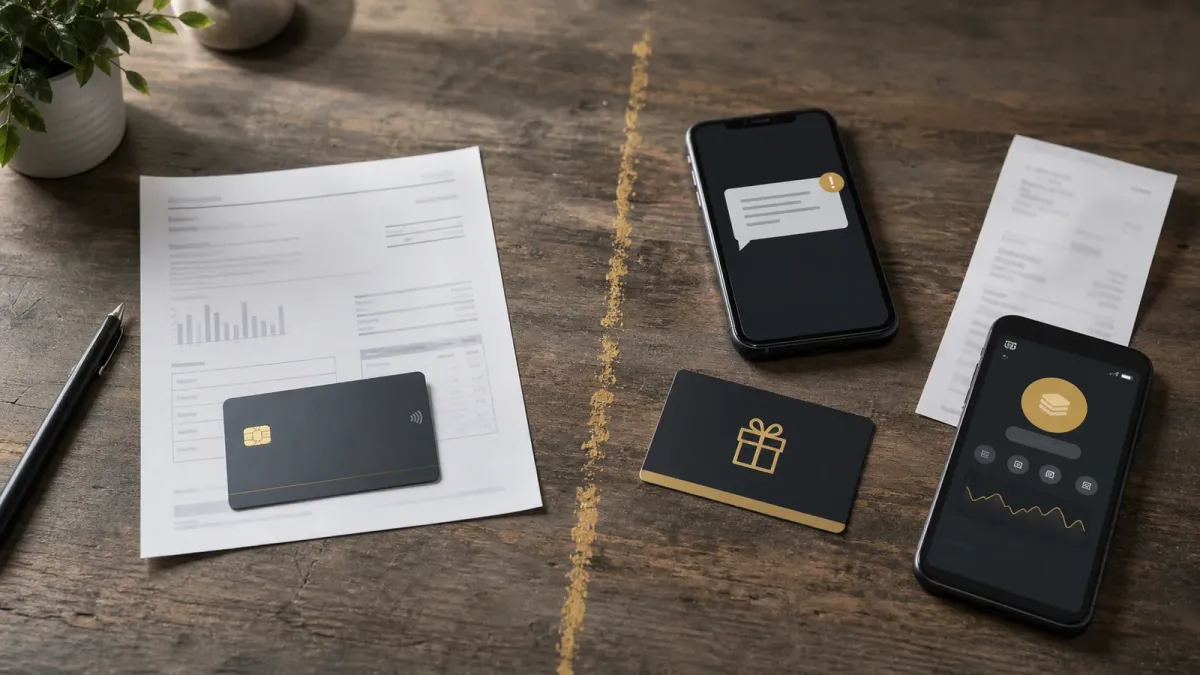
If someone contacts you unexpectedly and says the only way to fix a problem, claim a prize, protect an account or avoid trouble is to pay by cryptocurrency, gift card, wire transfer, bank transfer or payment app, treat the payment method itself as the warning sign. The story may change. The money route is the clue.
That is the useful takeaway from a Federal Trade Commission consumer alert published July 22, 2026. The agency says reports to the FTC show this pattern is a scam, especially when the person pushing for payment insists on a method that is hard to reverse.
The point is not that every transfer, payment app or gift card is dangerous. It is that legitimate companies, agencies and service providers usually do not contact people out of the blue and demand one narrow, fast, hard-to-recover payment path. If the caller, texter or emailer is rushing you toward that kind of payment, pause before you decide whether the story sounds believable.
The short answer
Do not send money just because the request sounds official, urgent or personal. First ask: why this payment method, why now, and why can I not verify it through a normal channel?
The FTC says people reported the largest losses last year, more than $4 billion in total, to scams where they paid by bank transfers and cryptocurrency. Those payment routes can move money quickly and leave consumers with fewer chances to stop or reverse the transaction. Gift cards are also a classic warning sign because a scammer only needs the card number and PIN to drain the value.
The FBI gives the same basic guidance for gift cards. If someone asks you to buy gift cards and send the redemption codes, it is likely a scam. The FBI also says law enforcement will not demand payment by gift card, and victims should report scams to the Internet Crime Complaint Center at ic3.gov.
Do this first
Slow the transaction down. Scams depend on urgency, fear, embarrassment or the promise of a reward. A real debt collector, bank, utility, court, government agency or business can usually survive a short delay while you verify the request.
- End the contact and verify separately. Do not use the phone number, link or payment instructions the person gave you. Use a statement, official website, card number or known account portal you found yourself.
- Search the name plus complaint terms. The FTC suggests searching the company or person with words such as review, scam or complaint. This will not catch every fraud, but it can reveal copied scripts and repeated reports.
- Ask why a protected payment method is not allowed. Credit cards often give consumers a dispute process. A demand for crypto, gift card codes, wire transfer or payment app transfer should make you more skeptical, not less.
- Call someone who is not in the conversation. A trusted relative, friend, bank representative or official customer-service line can help break the pressure loop before money leaves your control.

Common mistakes
The most expensive mistake is judging the request only by the story. Scammers impersonate government agencies, well-known businesses, technical support desks, banks, delivery companies, relatives, employers and law enforcement. The details can sound familiar because the scammer may know your name, city, account provider or recent public information.
A second mistake is assuming a small first payment is safe. Some scams begin with a modest fee, then escalate once the person proves they will follow instructions. If the payment method is the red flag, a small amount is still a warning, not a harmless test.
A third mistake is sending proof of payment. Photos of gift cards, screenshots, wallet addresses, confirmation numbers and one-time codes can be enough for a scammer to take the value or take over the next step of the transaction.
If you already paid
Act quickly. Contact the company you used to send the money and say the transaction was fraud. Ask whether it can be stopped, reversed, disputed or frozen. The answer may be no, especially with crypto or redeemed gift cards, but waiting makes recovery harder.
If gift cards were involved, contact the card issuer immediately and keep the card and receipt. If a bank transfer, payment app or wire was involved, contact the bank or platform's fraud department. If cryptocurrency was involved, keep the wallet address, transaction hash, messages and screenshots for a report.
Then report the scam. The FTC takes reports at ReportFraud.ftc.gov. The FBI takes internet crime reports at ic3.gov. Reporting may not guarantee recovery, but it helps investigators connect cases and can give you a record to share with banks, platforms or local authorities.
Bottom line
When a stranger or unexpected contact tells you that only one fast payment method will solve the problem, stop negotiating with the story. Verify the payment demand first. The safest response is often the simplest one: hang up, log out, look up the real contact point, and pay nothing until you have confirmed the request outside the pressure of the original message.


