
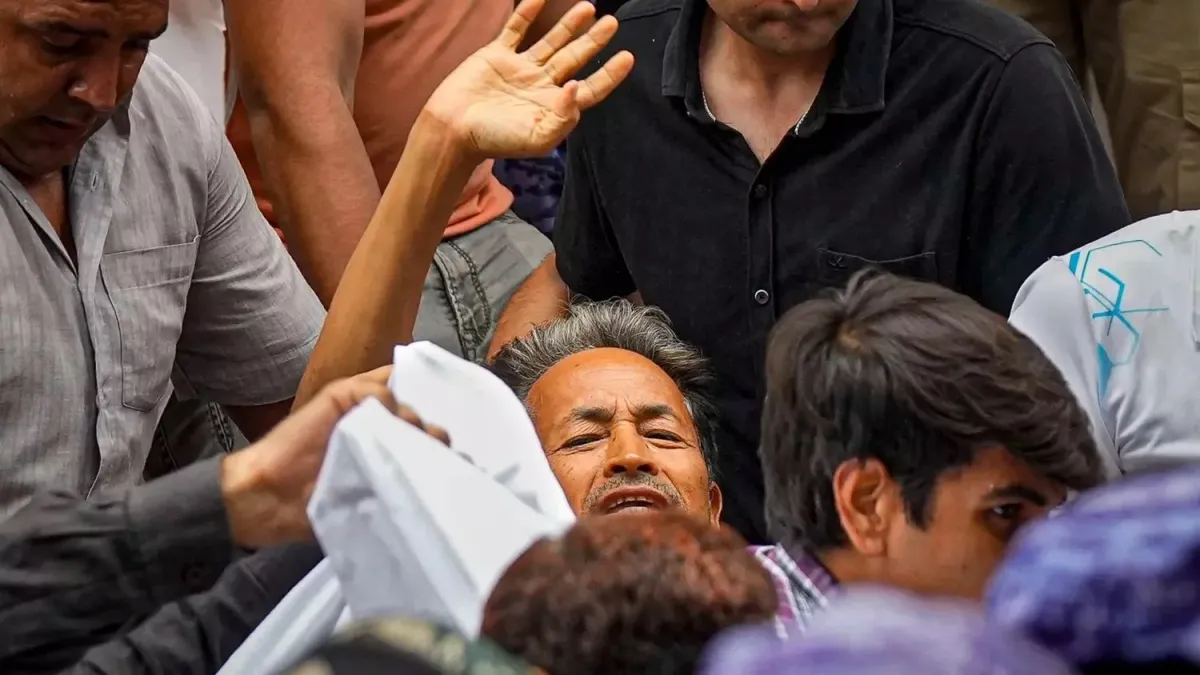
Sonam Wangchuk, the Indian education reformer and climate activist, has ended a 26-day hunger strike tied to nationwide anger over examination paper leaks, but the youth-led protest movement he helped energize is not over.
Wangchuk ended the fast after negotiations with government figures and assurances related to peaceful student protesters, according to reports from The Associated Press, Al Jazeera and Reuters, and Indian outlets. The immediate question now is whether the government's promised response to exam fraud will calm protests that organizers say will continue until Education Minister Dharmendra Pradhan resigns.
What changed
Wangchuk said he ended the fast after a long negotiation and because of concern about possible violence. His protest began on June 28 in solidarity with the Cockroach Janta Party, a youth-led movement demanding accountability after alleged leaks in major entrance exams.
India's Press Information Bureau listed new Prime Minister's Office items on Friday, July 24, saying Prime Minister Narendra Modi urged Wangchuk to follow medical advice and announced stricter action against paper leaks. A PIB release on July 23 also listed a Prime Minister's Office announcement about fast-track courts for paper-leak cases.
The government response has not settled the core political demand. Al Jazeera, citing Reuters, reported that CJP founder Abhijeet Dipke said the group's peaceful protest at Jantar Mantar would continue until Pradhan resigns.
Why it matters
The dispute is bigger than one activist's fast. The Guardian reported this week that the movement has drawn large crowds in Delhi and solidarity demonstrations in other Indian cities, with protesters arguing that repeated exam leaks have damaged trust in a system that shapes access to medical school and other high-stakes opportunities.
For Modi's government, the fast ending removes an immediate health crisis, but it does not end the accountability test. The next signals are whether promised legal changes reach cabinet action, whether protest organizers accept public talks, and whether any officials face consequences that students view as more than procedural.
If those steps stall, the fast may be remembered less as the end of a confrontation than as the moment the protest's demand narrowed: from saving Wangchuk's health to forcing a visible accountability decision.


